

2025 Toyota Camry Hybrid: What Owners Should Know About Maintenance
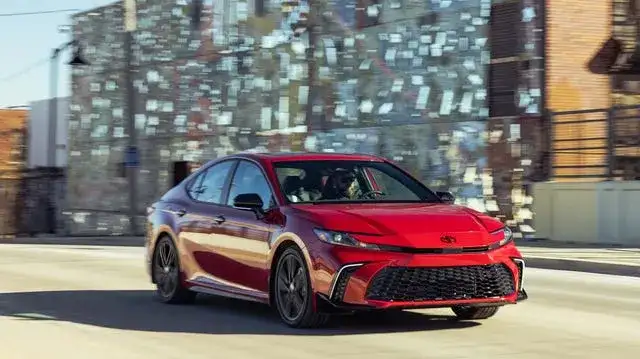
Last month, a new 2025 Toyota Camry Hybrid owner from Shaker Heights asked during their first service appointment: “Is maintaining a hybrid more complicated than a regular car?” They’d heard conflicting information about hybrid maintenance being expensive, battery replacement being inevitable, and systems being too complex for average owners to understand. After reviewing the actual maintenance schedule, they were surprised to learn the Camry Hybrid requires less maintenance than a conventional Camry in several areas, costs approximately $200 to 400 less over five years, and the hybrid battery carries an 8-year/100,000-mile warranty with real-world longevity often exceeding 200,000 miles. The consultation explaining hybrid maintenance reality? Free with every new vehicle delivery.
The 2025 Toyota Camry Hybrid represents a significant milestone: the Camry is now hybrid-only in most markets, making hybrid technology mainstream rather than a specialty option. Cleveland Heights area buyers who might have avoided hybrids in the past due to maintenance concerns now find themselves hybrid owners by default, and many don’t understand that modern hybrid maintenance is actually simpler and often less expensive than conventional vehicles.
Understanding what maintenance the Camry Hybrid actually requires, which services are eliminated compared to conventional vehicles, what hybrid-specific care matters, and how to maximize the hybrid system’s longevity ensures you get the full benefit of hybrid ownership while avoiding unnecessary anxiety about complexity or cost.
If you recently purchased or are considering a 2025 Camry Hybrid in the Cleveland Heights area, have concerns about hybrid maintenance complexity, or want to understand how to care for your new hybrid properly, this guide provides the essential information you need.
What’s Different About Hybrid Maintenance
The Camry Hybrid eliminates or extends several maintenance items compared to conventional vehicles.
Services the Hybrid Eliminates
The Camry Hybrid has no traditional transmission requiring regular fluid changes. The electronically controlled continuously variable transmission (eCVT) uses a planetary gear set with minimal moving parts, eliminating the complex valve bodies, clutch packs, and friction components that conventional transmissions require. Transmission fluid is lifetime-fill in the hybrid system under normal conditions.
Brake pads last dramatically longer on hybrids. The regenerative braking system captures energy during deceleration using the electric motor as a generator, reducing conventional brake use by 40 to 60%. Front brake pads on the Camry Hybrid typically last 70,000 to 100,000 miles versus 35,000 to 55,000 miles on conventional Camrys. Rear brakes often last the vehicle’s lifetime, sometimes exceeding 150,000 miles.
Engine wear is reduced because the hybrid system shuts off the gasoline engine during stops and at low speeds, reducing total engine running hours over the vehicle’s life. A Camry Hybrid driven 100,000 miles might accumulate only 60,000 to 70,000 hours of actual engine operation due to the electric-only driving capability.
Services the Hybrid Requires
Hybrid battery cooling system air filter replacement occurs every 30,000 to 40,000 miles. This separate filter (different from the cabin air filter) ensures clean airflow to the hybrid battery cooling system. Service costs $40 to 60 and takes 15 minutes.
Inverter coolant system service at 100,000 miles or 10 years maintains the cooling system for hybrid power electronics. This is separate from the engine cooling system. Service costs $180 to 250.
Battery system inspection during regular service intervals verifies proper hybrid battery function and condition. The inspection is typically included in routine maintenance visits at no additional cost.
12-volt auxiliary battery replacement occurs more frequently on hybrids. The small 12-volt battery powers vehicle systems and enables the hybrid system to start. These batteries typically last 4 to 5 years and cost $175 to 220 to replace.
“New Camry Hybrid owners often expect complicated maintenance schedules and high costs, but the reality is simpler and less expensive than conventional vehicles,” says Michael Patterson, Hybrid Systems Specialist at our Mayfield Road location. “The hybrid system eliminates transmission services, dramatically extends brake life, and reduces engine wear. The hybrid-specific maintenance (battery cooling filter, inverter coolant) is minimal and infrequent. Over five years and 60,000 miles, Camry Hybrid owners typically spend $200 to 400 less on maintenance than conventional Camry owners while also saving substantially on fuel. The hybrid isn’t more complex to maintain; it’s actually simpler in most respects.”
2025 Camry Hybrid Maintenance Schedule
Understanding the actual service schedule eliminates misconceptions about hybrid complexity.
Every 10,000 Miles or 12 Months
Oil and filter change using 0W-16 full synthetic oil. The Camry Hybrid’s 2.5-liter four-cylinder engine requires approximately 4.4 quarts. Service costs $65 to 85, slightly less than larger-engine conventional vehicles.
Tire rotation ensures even wear. Despite the regenerative braking reducing conventional brake use, tire rotation remains important for maximizing tire life and maintaining balanced handling. Service costs $50 to 65.
Multi-point inspection includes hybrid system status check, 12-volt battery test, brake system inspection, fluid level verification, and tire condition assessment.
Every 30,000 Miles
Engine air filter replacement ensures unrestricted airflow for optimal efficiency. Clean airflow is particularly important for hybrids where the engine management system carefully balances efficiency and performance. Service costs $40 to 55.
Hybrid battery cooling air filter replacement maintains proper cooling system airflow. This filter prevents dust and debris from entering the battery pack cooling system. Service costs $40 to 60.
Every 60,000 Miles
Spark plug replacement with OEM-quality plugs. Despite reduced engine running hours, spark plugs should be replaced at this interval to maintain optimal combustion efficiency. Service costs $180 to 260.
Cabin air filter replacement (if not already done more frequently). Many owners replace cabin filters more often for air quality, but 60,000 miles represents the maximum interval. Service costs $40 to 55.
Every 100,000 Miles or 10 Years
Inverter coolant system service replaces coolant maintaining proper temperature control for hybrid power electronics. This is the first major hybrid-specific service. Service costs $180 to 250.
Engine coolant replacement maintains proper engine temperature control and corrosion protection. Service costs $140 to 190.
Understanding the Hybrid Battery
The high-voltage hybrid battery generates the most questions and concerns from new hybrid owners.
Battery Design and Function
The 2025 Camry Hybrid uses a lithium-ion battery pack (upgrading from the nickel-metal hydride batteries in previous generations) providing improved energy density, lighter weight, and better cold-weather performance.
The battery stores energy captured during regenerative braking and provides power for electric-only driving at low speeds and during acceleration assist. The battery management system carefully controls charging and discharging to maximize battery longevity.
Battery Longevity Reality
The hybrid battery carries an 8-year/100,000-mile warranty in most states (10-year/150,000-mile in CARB states including California). This warranty reflects Toyota’s confidence in battery durability.
Real-world data from previous generation Camry Hybrids shows batteries routinely exceeding 200,000 miles with minimal degradation. While range and efficiency may decline slightly over extreme mileage, catastrophic battery failure requiring replacement is rare.
Modern battery management systems prevent the damaging deep discharge and overcharge cycles that shortened earlier hybrid battery life. The system maintains battery state of charge between approximately 20% and 80% of total capacity, never fully depleting or completely charging the battery, which extends lifespan dramatically.
If Battery Replacement Becomes Necessary
In the unlikely event battery replacement becomes necessary outside warranty coverage, costs have decreased significantly. Current replacement batteries cost $2,000 to 3,500 installed, far less than the $5,000 to 8,000 costs of a decade ago.
However, most owners will never face battery replacement. The battery typically outlasts the vehicle’s useful life or lasts until the vehicle’s overall condition makes major investment uneconomical regardless of battery status.
Battery Cooling System Care
Proper maintenance of the battery cooling system protects the hybrid battery investment. The battery cooling air filter replacement every 30,000 to 40,000 miles ensures adequate airflow preventing battery overheating.
Keep rear seat area and cargo floor vents unobstructed. The Camry Hybrid’s battery cooling intake is typically located in the rear seat or cargo area. Blocking these vents with cargo, seat covers, or other items restricts cooling airflow, potentially causing battery temperature issues.
Brake System Care for Hybrids
The regenerative braking system creates unique brake maintenance considerations.
Extended Brake Life
Regenerative braking uses the electric motor as a generator during deceleration, converting kinetic energy to electricity stored in the hybrid battery. This process provides the majority of stopping force during normal braking, dramatically reducing conventional brake pad wear.
Front brake pads on the Camry Hybrid typically last 70,000 to 100,000 miles compared to 35,000 to 55,000 miles on conventional Camrys. Rear brake pads often last even longer, sometimes exceeding 150,000 miles.
Brake Fluid Service Remains Critical
Despite reduced brake pad wear, brake fluid service every 30,000 miles or 36 months remains important. Brake fluid absorbs moisture over time, lowering its boiling point and causing corrosion in brake system components.
Hybrids actually require more vigilant brake fluid service because reduced brake use means less heat generation. Heat normally helps evaporate moisture from brake fluid. Without this heat, moisture accumulates faster in hybrid brake systems.
Brake Caliper Maintenance
Reduced brake use can cause caliper slide pins and piston seals to corrode or bind from inactivity. Annual brake caliper cleaning and lubrication prevents binding that causes uneven pad wear and reduced braking effectiveness. Service costs $140 to 180 per axle.
A University Heights resident with a 2019 Camry Hybrid reached 92,000 miles on original front brake pads (still at 5mm thickness) but experienced braking issues from a seized caliper slide pin. The caliper hadn’t moved enough to wear the pin lubrication, allowing corrosion. Annual caliper service would have prevented the problem, costing $160 versus the $480 they paid for emergency brake service when the caliper fully seized.
12-Volt Auxiliary Battery
The small 12-volt battery in hybrids serves critical functions requiring proper maintenance.
12-Volt Battery Function
The 12-volt battery powers all vehicle electronics when the hybrid system is off and provides the initial power to boot the hybrid system computers and close the high-voltage contactors, essentially “starting” the hybrid system.
Unlike conventional vehicles where the 12-volt battery primarily cranks the starter motor briefly, hybrid 12-volt batteries power computers, displays, and systems continuously, creating different duty cycles and stress patterns.
Shorter Lifespan in Hybrids
Due to constant use powering vehicle systems, 12-volt batteries in hybrids typically last 4 to 5 years versus 5 to 6 years in conventional vehicles. The smaller physical size of hybrid 12-volt batteries (to save weight and space) also contributes to shorter lifespan.
Regular testing during service appointments identifies weakening batteries before complete failure. Proactive replacement costs $175 to 220. Emergency replacement after failure can cost significantly more plus towing expenses.
Failure Symptoms
A weak or failing 12-volt battery causes the hybrid system to not activate. The vehicle won’t enter “ready” mode even though the high-voltage hybrid battery is fully charged. Warning messages about hybrid system malfunction or check hybrid system alerts often indicate 12-volt battery problems rather than high-voltage battery issues.
Increased vampire drain (battery draining when vehicle sits unused) suggests 12-volt battery weakness. If the hybrid system won’t activate after the vehicle sits for several days, have the 12-volt battery tested.
Ohio Weather Considerations
Cleveland area weather creates specific hybrid maintenance considerations.
Winter Cold Performance
The lithium-ion battery in the 2025 Camry Hybrid performs better in cold weather than previous nickel-metal hydride batteries, but extreme cold still affects efficiency and electric-only range.
Battery heating systems warm the battery for optimal performance. Allowing a brief warm-up period (30 to 60 seconds) after cold start lets the battery management system prepare the battery for best efficiency.
Expect reduced electric-only capability in extreme cold (below 20 degrees Fahrenheit). The gasoline engine will run more frequently to maintain cabin heat and battery temperature. This is normal and doesn’t indicate problems.
Summer Heat Management
While not as extreme as desert climates, Cleveland summer temperatures still stress the hybrid battery. The battery cooling system maintains proper temperature, but parking in shade when possible reduces strain on the cooling system.
Road Salt Exposure
Winter road salt doesn’t directly affect the hybrid battery (it’s sealed and protected), but it accelerates corrosion on brake components, suspension parts, and underbody areas. Annual post-winter undercarriage cleaning removes salt preventing rust. Service costs $125 to 175.
Maximizing Hybrid Efficiency
Proper driving techniques maximize the hybrid system’s fuel economy benefits.
Gentle Acceleration and Braking
Smooth, progressive acceleration allows the hybrid system to blend electric and gasoline power efficiently. Aggressive acceleration forces the gasoline engine to work harder, reducing efficiency gains.
Gentle, early braking maximizes regenerative energy capture. Anticipate stops and begin slowing early, allowing the regenerative system to capture maximum energy. Hard, late braking requires conventional brake use, wasting energy as heat instead of capturing it.
EV Mode Usage
The EV mode button allows electric-only driving at low speeds (under approximately 25 mph) when battery charge permits. This mode is ideal for residential areas, parking lots, and low-speed urban driving.
Don’t overuse EV mode. The hybrid system manages power distribution optimally in normal mode. Forcing EV mode when the system would prefer gasoline power can reduce overall efficiency.
Eco Mode Benefits
Eco mode adjusts throttle response, climate control, and power distribution for maximum efficiency. While acceleration feels less responsive, the mode provides measurable fuel economy improvements in city driving.
Sport mode provides sharper throttle response and holds the gasoline engine on more frequently for better performance but reduces fuel economy. Use sport mode when you need performance; default to normal or eco mode for efficiency.
Schedule Your Camry Hybrid Service Today
That Shaker Heights Camry Hybrid owner who worried about complex hybrid maintenance now understands the reality: the hybrid requires less maintenance than a conventional Camry in several areas, costs less over time, and delivers exceptional reliability. They’re at 18,000 miles now with zero unexpected service needs and fuel costs 40% lower than their previous conventional sedan.
The 2025 Toyota Camry Hybrid represents the maturity of hybrid technology, providing exceptional fuel economy and reduced emissions without maintenance complexity or excessive costs. Understanding what the hybrid actually requires (and what it eliminates) helps you maximize the benefits of hybrid ownership.
Our certified Toyota hybrid technicians at 2950 Mayfield Road have extensive training on Camry Hybrid systems and maintenance requirements. We provide expert service ensuring your hybrid receives proper care while avoiding unnecessary services.
Schedule your Camry Hybrid maintenance today by calling our service department or booking online at Toyota Cleveland Heights, 2950 Mayfield Rd, Cleveland Heights, OH 44118. Whether you need routine service or have questions about hybrid care, we’ll ensure your Camry Hybrid receives the attention it needs.
Proper hybrid maintenance is simpler than you think, costs less than conventional vehicles, and ensures your Camry Hybrid delivers the reliability and efficiency that makes hybrid technology the future of automotive transportation. That’s the value smart hybrid care delivers.
0 comment(s) so far on 2025 Toyota Camry Hybrid: What Owners Should Know About Maintenance