

Cold Starts in Cleveland Heights: Preventing Battery Failure This Winter
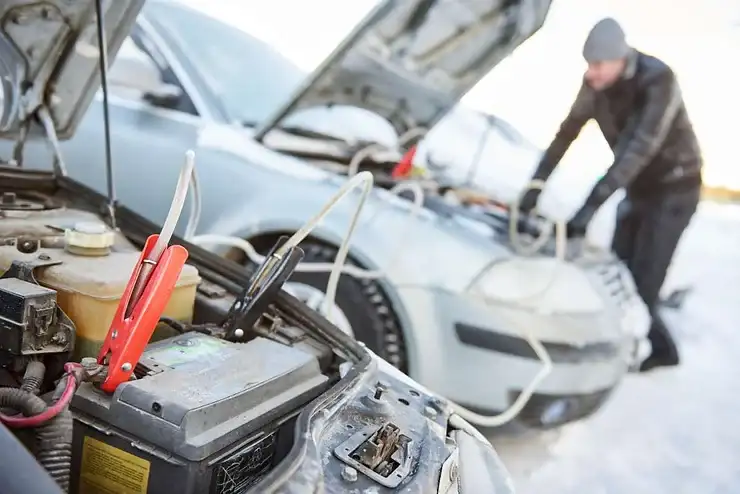
Three weeks ago, a 2020 Toyota RAV4 got towed to our shop from a Severance Circle parking lot on a 12-degree Monday morning. The owner had ignored slow cranking for a week, assuming it was just normal cold weather behavior. When her battery finally died completely, she discovered the alternator had been failing simultaneously, preventing the battery from recharging during her commutes. The battery replacement, alternator replacement, and tow service cost $840. The electrical system test we’d recommended during her last oil change? Included free with the service.
If you drive a Toyota in Cleveland Heights, you already know that Northeast Ohio winters test your vehicle in ways that summer driving never does. Between mid-November and March, temperatures regularly drop below 20 degrees, and single-digit mornings aren’t unusual when Arctic air masses settle over Cuyahoga County.
What many Toyota owners don’t realize is that cold cranking isn’t just an inconvenience, it’s a warning sign that your battery and electrical system are struggling. Every slow start, every hesitation when you turn the key, every dimming of your dashboard lights represents your battery operating at the edge of its capacity.
This isn’t about creating anxiety around winter mornings. It’s about understanding why batteries fail in Cleveland Heights winters, recognizing the warning signs before you’re stranded, and taking the specific maintenance steps that ensure your Toyota starts reliably regardless of temperature. We’ll explain exactly what happens to your battery when temperatures plummet, which conditions accelerate battery failure, and the preparation that keeps you moving through the coldest months.
What Actually Happens to Your Battery in Cold Weather
Your Toyota’s battery relies on a chemical reaction between lead plates and sulfuric acid to generate electrical current. This reaction happens efficiently at 80 degrees but slows dramatically as temperature drops. At 32 degrees, your battery has approximately 65% of its normal cranking power. At zero degrees, that capacity drops to roughly 40%.
Here’s the problem: while your battery’s capacity decreases in cold weather, your engine’s demand for cranking power increases. Cold oil becomes thick and resistant, requiring more force to turn the engine over. Cold fuel doesn’t vaporize as easily, making combustion less efficient. Your starter motor must work harder to overcome this increased resistance, drawing more current from a battery that has less current available.
This creates a perfect storm where your battery must deliver maximum power at exactly the moment when it has minimum capacity. A battery that starts your Toyota easily in September might barely crank the engine in January, and by February it might fail completely during a particularly cold morning.
We see this pattern repeat every winter at our Mayfield Road location. The first prolonged cold snap, usually in late December or early January, brings a wave of customers who couldn’t start their vehicles that morning. The common factor is almost always a battery that’s three to five years old and has been showing warning signs that owners dismissed as normal cold weather behavior.
Age and Cold Weather: A Dangerous Combination
Battery manufacturers rate their products for specific lifespans under ideal conditions, typically four to six years. In Northeast Ohio, where we experience temperature extremes from 90-degree summers to sub-zero winters, actual battery life runs shorter than these ratings suggest.
A battery’s internal structure deteriorates gradually through normal use. The lead plates develop sulfation, reducing their surface area and ability to hold charge. The electrolyte solution becomes contaminated with material shed from the plates. Internal connections corrode from exposure to sulfuric acid. These changes happen slowly, and during mild weather your battery compensates by drawing on reserve capacity you didn’t know existed.
Cold weather eliminates that reserve capacity margin. A four-year-old battery that starts your Camry perfectly in October might struggle in January because deterioration has reduced its cold cranking amps below what your engine requires. By the time you notice slow cranking, the battery is often within weeks of complete failure.
The challenge is that battery failure rarely happens gradually. You might experience slow cranking for a few days or a week, then one morning the battery has just enough power to click the starter solenoid but not enough to actually crank the engine. You’re stranded in your driveway or, worse, in a parking lot somewhere in Cleveland Heights with no way to start your vehicle.
Warning Signs Your Battery Won’t Survive Winter
A Toyota Highlander owner brought her SUV to our shop last February after experiencing intermittent starting problems for two weeks. Some mornings it started normally, other mornings it cranked slowly, and twice it wouldn’t start at all until she tried again five minutes later. She assumed the issue was related to extreme cold and would resolve when temperatures moderated. The battery test revealed it had 180 cold cranking amps remaining when her Highlander required 650. The battery was past the point of recovery and needed immediate replacement.
The frustrating aspect of battery problems is that symptoms aren’t consistent. Your battery might start your Toyota easily one morning, then struggle the next morning at the same temperature. This inconsistency convinces many owners that they don’t have a real problem, just an occasional quirk related to weather.
Slow cranking is your primary warning signal. When you turn the key or press the start button, listen to how quickly the engine turns over. A healthy battery spins the starter motor at consistent speed, creating a smooth cranking sound. A weak battery struggles to maintain speed, producing a slower, labored cranking sound. If Monday morning’s start sounds noticeably different from Friday morning’s start, your battery is telling you it’s reaching the end of its useful life.
Dashboard lights that dim during cranking indicate insufficient battery voltage. Modern Toyotas have sophisticated electrical systems that monitor voltage constantly. When you crank the engine, it’s normal for lights to dim slightly as the starter draws current. However, if your dashboard goes nearly dark during cranking, or if interior lights fade to almost nothing, your battery voltage is dropping dangerously low under load.
Electrical accessories behaving strangely point to voltage problems that often trace back to battery condition. Your power windows moving more slowly than usual, your radio losing presets, your clock resetting, or your navigation system taking longer to boot all suggest voltage fluctuations that healthy batteries prevent.
The check engine light or battery warning light illuminating on your dashboard demands immediate attention. Your Toyota’s computer monitors the charging system continuously, and these warnings indicate it has detected voltage or charging problems that could leave you stranded. Never ignore these lights, especially during winter when battery and charging system stress is highest. 🔋
Why Cleveland Heights Winter Conditions Are Particularly Hard on Batteries
Cleveland Heights sits in a climate zone where winter temperatures fluctuate significantly, and this variation creates more battery stress than consistent cold would. We experience nights in the teens followed by days in the upper 30s, then back down to single digits overnight. This constant temperature cycling forces your battery through repeated expansion and contraction that accelerates internal deterioration.
The hills throughout Cleveland Heights compound battery stress during winter. Driving up Cedar Hill, Mayfield Road’s elevation changes, or any of the residential streets with significant grades requires more power than flat terrain driving. In winter, when your battery already has reduced capacity, these hills can drain a marginal battery faster than it can recharge during your commute.
Short trips dominate winter driving for many Cleveland Heights residents. You drive to Cedar Lee, to local shops on Lee Road, or to nearby destinations without extended highway driving. These short trips don’t allow your alternator sufficient time to fully recharge your battery after the heavy current draw of cold starting. Over days and weeks, this creates a deficit where your battery never reaches full charge, accelerating its decline.
Our proximity to Lake Erie influences humidity and moisture levels that affect battery terminals and connections. Corrosion builds on battery terminals more quickly in humid conditions, creating resistance that prevents your alternator from efficiently charging the battery and prevents the battery from efficiently delivering current to your starter.
The Real Cost of Ignoring Battery Warnings
Her cost breakdown:
- Emergency tow from Coventry Road parking lot: $145
- New battery installation: $195
- Alternator replacement (failed from overworking to compensate for weak battery): $520
- Serpentine belt replacement (damaged during alternator failure): $95
- Total cost of “ignoring slow cranking”: $955
What she should have done:
- Free battery and charging system test during routine service: $0
- Battery replacement when test showed weakness: $195
- Preventive alternator inspection: $0 (included with battery service)
- Smart total: $195
Her actual loss from postponing attention to warning signs: $760, plus the stress and inconvenience of being stranded on a cold January morning, missing work appointments, and coordinating towing and rental car arrangements.
Your Toyota Model’s Specific Battery Requirements
Different Toyota models have varying electrical demands that affect battery selection and winter performance. Understanding your specific model helps you know what to expect and when to take preventive action.
The Toyota Camry and Corolla sedans use Group 24 or Group 35 batteries with cold cranking amp ratings typically between 500 and 650 CCA. These four-cylinder engines don’t require massive cranking power, but Cleveland Heights winters still demand batteries in the upper range of these specifications. We recommend 600 CCA or higher for reliable cold weather starting in Northeast Ohio.
Toyota RAV4 and Highlander SUVs use larger batteries, typically Group 24F or Group 35, with higher CCA ratings between 650 and 800. Their bigger engines and additional electrical accessories, including AWD systems that draw power, require this increased capacity. These vehicles also tend to idle more during winter warm-up periods, meaning the battery must power heated seats, defrosters, and climate control without alternator charging support.
The Toyota Prius and other hybrid models present unique considerations because they use high-voltage hybrid batteries for propulsion but still rely on conventional 12-volt batteries to boot the computer systems and engage the hybrid system. Many Prius owners don’t realize their vehicle won’t start even with a fully charged hybrid battery if the 12-volt accessory battery is dead. These 12-volt batteries are often smaller and have shorter lifespans than conventional vehicle batteries.
“The most common mistake we see is Toyota owners replacing their battery with the cheapest option available rather than matching or exceeding their original equipment specifications,” says Robert Williams, Lead Technician at our Mayfield Road location. “Northeast Ohio winters aren’t the place to save $30 on a battery with lower cold cranking amps. That savings disappears the first morning you can’t start your car and need a tow. We always recommend batteries rated for this climate, which means higher CCA ratings than you might need in milder regions.”
Proper Battery Maintenance for Northeast Ohio Winters
Preventing battery failure through Cleveland Heights winters doesn’t require complicated procedures or expensive equipment. It requires understanding which maintenance tasks actually protect your battery and performing them on an appropriate schedule.
Battery testing should happen twice annually, in early November before winter arrives and again in early April after winter has passed. Modern battery testers analyze your battery’s actual cold cranking amps, compare them to manufacturer specifications, and predict remaining lifespan based on current condition. This test takes less than five minutes and provides definitive information about whether your battery will survive winter.
The November test is critical because it gives you time to replace a marginal battery before cold weather arrives. Replacing a battery that tests weak in November costs the same as replacing it in January, but doing it proactively means you avoid being stranded. The April test identifies damage winter may have caused, allowing you to replace a compromised battery before summer heat delivers the final blow.
Terminal cleaning removes corrosion that creates electrical resistance between your battery and your vehicle’s electrical system. Battery terminal corrosion appears as white, blue, or green crusty buildup around the battery posts and cable connections. This corrosion acts as an insulator, preventing efficient current flow and making your battery work harder than necessary.
Cleaning terminals requires disconnecting the negative cable first, then the positive cable, cleaning both posts and cable ends with a wire brush or battery terminal cleaner, and reconnecting in reverse order (positive first, then negative). This simple maintenance task improves electrical connection and can actually extend battery life by reducing resistance.
Charging system testing verifies your alternator is properly recharging your battery during operation. A failing alternator might provide enough current to run your vehicle’s electrical systems while driving but insufficient current to fully recharge your battery. Over time, this deficit drains your battery and causes premature failure that owners blame on the battery when the actual problem is the charging system.
Professional charging system tests measure alternator output voltage and amperage under various loads, verify belt tension and condition, and check voltage regulator function. These tests identify alternator problems before they destroy your battery, saving you the cost of replacing both components instead of just one.
Emergency Starting Solutions and Their Limitations
Jump-starting a dead battery seems straightforward, but improper technique can damage your Toyota’s electrical system, and even proper jump-starting doesn’t solve the underlying problem that caused battery failure.
Portable jump starters have become popular because they’re convenient and eliminate the need to find another vehicle for assistance. These battery packs store enough current to crank most engines several times, and quality units include safety features that prevent reverse polarity connections. However, they require charging before use and lose charge when stored in cold vehicles, exactly when you need them most.
When using jumper cables, always connect positive to positive first, then negative to a metal ground point on the dead vehicle rather than directly to the negative battery terminal. This sequence prevents sparks near the battery, which can ignite hydrogen gas that batteries emit during charging. Let the good battery charge the dead battery for several minutes before attempting to start the disabled vehicle.
Here’s the critical point many owners miss: successfully jump-starting your Toyota doesn’t mean your battery is fine. It means you temporarily overcame the battery’s weakness by borrowing power from another source. If you needed a jump-start this morning, you need a battery test today, not next week or next month. The battery that couldn’t start your vehicle this morning likely won’t start it tomorrow morning either.
We’ve seen numerous cases where owners jump-start their vehicles, drive to work, then can’t start again when leaving because the short drive didn’t fully recharge the dead battery. Now they’re stranded at work instead of home, making the situation more complicated and expensive to resolve.
Your 30-Day Winter Battery Protection Plan
This week: Pay attention to how your Toyota starts each morning for the next several days. Listen to cranking speed and consistency. Watch your dashboard lights during cranking to see if they dim excessively. Note whether your engine catches quickly or labors before starting. If you notice any changes from how your vehicle started last month, schedule a battery test immediately. Also, open your hood and visually inspect your battery terminals for corrosion. If you see crusty buildup on either terminal, that needs cleaning within the next few days. These observations take seconds each morning but provide early warning of developing battery problems.
Within two weeks: Check your vehicle records to determine your battery’s age. If you don’t have records, most batteries have a date code stamped on a sticker or molded into the case. The code typically uses a letter for month (A for January, B for February, etc.) and a number for year. If your battery is three years old or older, schedule a professional battery test regardless of whether you’ve noticed symptoms. Batteries older than four years should be considered at high risk for winter failure and might warrant preventive replacement even if testing shows adequate current capacity.
By month’s end: If testing reveals your battery is marginal or if your battery is over four years old, replace it before January’s coldest weather arrives. When selecting a replacement, choose a battery with cold cranking amps equal to or greater than your original equipment specification, and consider premium batteries with longer warranties if you plan to keep your Toyota for several more years. Also schedule an appointment to have your charging system tested if that wasn’t included with your battery test. Knowing your alternator is functioning properly gives you confidence that your new battery will perform as expected. These steps require minimal time investment but virtually eliminate your risk of winter battery failure.
Common Battery Myths That Leave Drivers Stranded
The most dangerous myth we encounter is that modern batteries don’t require maintenance or testing. While it’s true that today’s sealed batteries don’t need water added like old-style batteries did, they still deteriorate with age and still fail without warning if not monitored. The “maintenance-free” label refers to not needing fluid additions, not to the battery being immune to failure.
Another misconception is that if your battery started your vehicle yesterday, it will start it tomorrow. Battery failure often happens suddenly, particularly in cold weather. The battery that cranked your engine fine on Tuesday evening might be completely dead Wednesday morning if temperatures dropped overnight and pushed it past its remaining capacity.
Some drivers believe that driving their vehicle regularly keeps the battery charged and healthy. While regular use does help maintain charge, it doesn’t prevent the chemical deterioration that occurs with age. A five-year-old battery that’s been driven daily is still a five-year-old battery approaching the end of its typical lifespan, regardless of how well you’ve maintained charge through regular use.
A Corolla owner came to us last January after his battery died in the Giant Eagle parking lot on a Sunday afternoon. He was confused because he’d driven to the store without any starting problems, but after 20 minutes of shopping, his vehicle wouldn’t start. The battery was four years old and had been showing marginal voltage during testing, but he’d assumed that because it started fine that morning, it wasn’t an urgent problem.
His cost breakdown:
- Sunday emergency mobile battery service: $275
- Premium battery (only option available for emergency service): $240
- Total cost of “waiting until battery died”: $515
What he should have done:
- Proactive battery replacement during the week when testing showed weakness: $195
- Installation at our facility: $0 (included with battery purchase)
- Smart total: $195
His savings from proactive replacement would have been $320, and he wouldn’t have spent Sunday afternoon stranded in a parking lot coordinating emergency service instead of enjoying his weekend.
Schedule Your Battery Test Today
Remember that RAV4 owner from the beginning? After her expensive lesson about ignoring warning signs, she set phone reminders for battery testing every November and April. Over the past three years, she’s replaced her battery once when testing showed it was approaching the end of its life, avoided any starting problems, and has complete confidence in her vehicle’s reliability through Cleveland Heights winters.
The difference between a dead battery on a freezing morning and reliable starting comes down to understanding how cold weather affects your Toyota’s electrical system and taking action based on testing rather than waiting for failure. Winter in Northeast Ohio is challenging enough without adding uncertainty about whether your vehicle will start.
Our certified Toyota technicians at 2950 Mayfield Road in Cleveland Heights use professional-grade battery and charging system testers that provide accurate assessments of your battery’s current condition and remaining lifespan. We understand the specific demands Cleveland Heights winters place on your vehicle, and we know which batteries perform reliably in our climate.
Schedule your battery test today by visiting our service department or booking online through our website. We’ll test your battery’s cold cranking amps, inspect your terminals and connections, verify your charging system is functioning properly, and explain exactly what condition your electrical system is in heading into winter.
Proper battery maintenance ensures your Toyota starts reliably on the coldest mornings, protects you from the expense and inconvenience of being stranded, and gives you the confidence that comes from knowing your vehicle is ready for whatever Northeast Ohio winter delivers. That’s the peace of mind professional service provides.
0 comment(s) so far on Cold Starts in Cleveland Heights: Preventing Battery Failure This Winter