

From Rust Prevention to Regenerative Brakes: Servicing Your Next-Gen 2026 4Runner i-FORCE MAX and Land Cruiser in Cleveland Heights
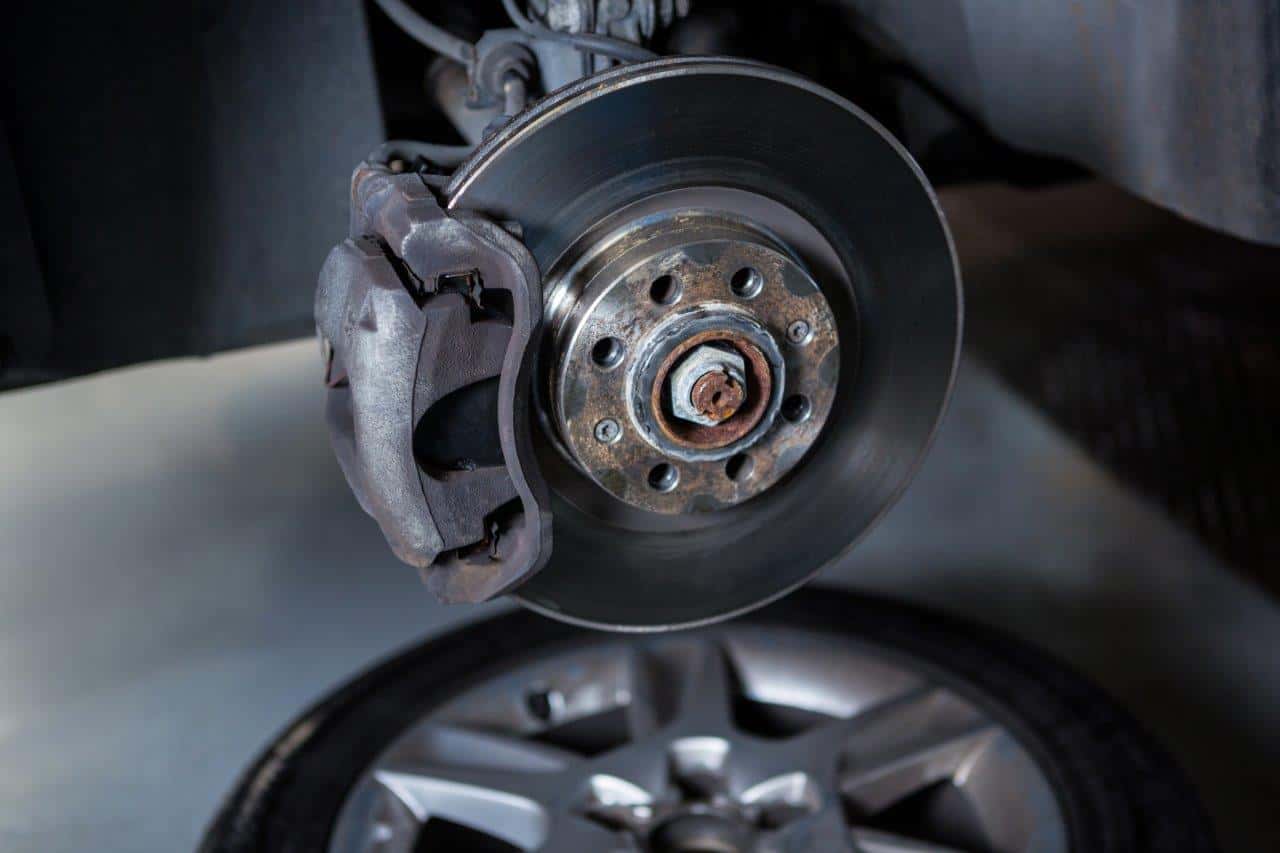
Toyota’s i-FORCE MAX hybrid system has reshaped two of its most capable off-road models. Both the 2026 4Runner and the 2026 Land Cruiser pair a turbocharged 2.4-liter four-cylinder with a 48-horsepower electric motor and a nickel-metal hydride battery, producing 326 horsepower and 465 lb-ft of torque while rated to tow up to 6,000 pounds. That hybrid powertrain changes more than the spec sheet: a brake job deferred because “the pads still look fine” can ignore rotor rust that costs far more to address once it’s pitted the braking surface than a routine inspection would have cost to catch it early. It changes how the brakes wear, what the battery needs to stay healthy, and how those systems interact with a Cleveland Heights winter that brings road salt, freeze-thaw cycling, and the kind of corrosion exposure these vehicles weren’t necessarily designed around when Toyota engineered them primarily for sun-belt off-roading.
Understanding what the i-FORCE MAX hybrid system actually needs, and how Northeast Ohio’s climate adds its own layer to that picture, helps 4Runner and Land Cruiser owners in Cleveland Heights keep both vehicles running the way Toyota built them to.
How the i-FORCE MAX Hybrid System Changes Brake Wear
Both the 4Runner and Land Cruiser use regenerative braking as part of their hybrid drivetrain, where the electric motor acts as a generator during deceleration, slowing the vehicle and sending recovered energy back to the battery rather than relying entirely on the traditional friction brakes. This reduces wear on brake pads and rotors compared to a non-hybrid vehicle, since the regenerative system absorbs a meaningful share of everyday stopping force. Many owners across Toyota’s hybrid and i-FORCE MAX lineup report brake pads lasting well beyond what a comparable gas-only vehicle would deliver, simply because the friction brakes are doing less of the everyday work.
That advantage comes with a maintenance wrinkle that’s easy to overlook precisely because the brakes are working less. Friction brakes that see reduced use can develop light surface rust on the rotors or start to glaze, particularly in a climate like Cleveland Heights where humidity and road moisture are a near-constant factor through much of the year. Brakes that look fine on paper because pad wear is minimal can still benefit from a periodic inspection that checks specifically for rust accumulation on rotor surfaces and proper caliper movement, since calipers that don’t engage often enough can begin to stick.
For 4Runner and Land Cruiser owners navigating Cleveland Heights’ grades, the descent down Cedar Hill or the drop toward University Circle still calls on the friction brakes more than flat-road driving does, even with the regenerative system doing its share of the work. That’s a normal part of how the hybrid system is designed to function, but it’s also a reason not to assume reduced overall brake wear means the brakes never need a careful look, especially heading into salt season when rust accumulation on lightly used rotors can develop faster than expected.
A thorough brake inspection on either vehicle should cover:
- Rotor surface condition, checking specifically for rust pitting that can develop on rotors that see less friction contact than a traditional vehicle’s brakes
- Caliper slide pin movement and lubrication, since calipers that engage less frequently are more prone to sticking over time
- Brake fluid condition and moisture content, which matters just as much on a hybrid as on any other vehicle and is easy to overlook when brake wear itself looks minimal
- Pad thickness across all four corners, confirmed against actual measurement rather than assumed from low mileage alone
What the Hybrid Battery Actually Needs
The 1.87-kWh nickel-metal hydride battery powering the i-FORCE MAX system charges through regenerative braking and engine operation, with no plug-in required and no special charging routine for owners to manage. Toyota’s NiMH packs have a strong track record for longevity, and the battery isn’t typically something owners need to think about day to day.
What it does benefit from is a functioning thermal management system, since the battery pack has its own dedicated cooling that needs to stay clear and operational to protect long-term capacity. This matters less in Cleveland’s climate than it would in a hot desert market, but it’s still worth confirming as part of a regular service visit, since a cooling system that isn’t checked periodically is the kind of thing that goes unnoticed until it’s already affected battery performance or triggered a more involved diagnostic visit than a simple inspection would have required.
Driving habits play a role too. Frequent hard braking forces the regenerative system to work harder in short bursts, while smoother, earlier braking lets the system recover energy more gradually and puts less stress on the battery’s charging circuitry over time. Neither vehicle requires owners to change how they drive dramatically, but a driver who’s aware of how regen works can get more out of the system without extra effort, and a technician familiar with the i-FORCE MAX system can confirm the battery and its cooling circuit are performing the way Toyota engineered them to.
Why Cleveland Heights Winters Add Their Own Layer
Both the 4Runner and Land Cruiser are body-on-frame off-roaders with full-time or part-time four-wheel drive, locking differentials, and a low-range transfer case on the Land Cruiser, capability that’s genuinely useful in Northeast Ohio’s winter conditions. That same capability means these vehicles spend more time than most in exactly the salt-and-slush conditions that accelerate underbody corrosion through a Cleveland Heights winter.
Road salt and calcium chloride treatments common throughout Northeast Ohio settle into wheel wells, frame rails, and suspension components, and the freeze-thaw cycling typical of a Cleveland winter drives that salt deeper into seams and joints with each cycle. For a 4Runner or Land Cruiser that’s actually being used for what it’s built for, trail driving, towing, or just confident handling through a snowy commute up Cedar Hill, that means more exposure to the conditions that cause long-term frame and underbody corrosion if left unaddressed.
A practical seasonal routine for either vehicle in Cleveland Heights includes:
- Undercarriage washing every couple of weeks during active salt season, with particular attention to wheel wells and the areas around the frame rails and differential housings where road brine tends to collect and sit
- A thorough post-winter inspection once salt season ends, checking for surface corrosion on the frame, suspension components, and brake lines before any of it has the chance to progress further through a warm, humid Ohio summer
- A brake system check that specifically looks for rust accumulation on rotors and proper caliper movement, given how the regenerative braking system reduces everyday friction brake use
The cost difference between staying ahead of this and falling behind is significant. A routine undercarriage wash and inspection costs a fraction of what addressing advanced frame corrosion or a rusted brake line requires once the damage has progressed past the surface level, and catching either issue early is straightforward work for a technician who knows what to look for on these specific platforms.
Bringing It Together
Neither the 4Runner i-FORCE MAX nor the Land Cruiser needs to be treated as fragile or unusually demanding. They’re built to handle real towing, real trail use, and real Ohio winters. What they do benefit from is a technician who understands that a hybrid powertrain changes the maintenance picture in specific ways: brake inspections that account for reduced friction brake use, attention to the hybrid battery’s cooling system, and the kind of underbody care that any serious off-roader needs through a Northeast Ohio winter regardless of what’s under the hood.
The factory-trained service team at Toyota Cleveland Heights, located at 2950 Mayfield Rd, Cleveland Heights, OH 44118, is equipped to service the i-FORCE MAX hybrid system in both the 4Runner and Land Cruiser, along with the underbody and brake care that Cleveland Heights winters demand. Schedule your inspection and keep both vehicles ready for whatever the season brings.
0 comment(s) so far on From Rust Prevention to Regenerative Brakes: Servicing Your Next-Gen 2026 4Runner i-FORCE MAX and Land Cruiser in Cleveland Heights