

Hybrid Battery Health: Keeping your Camry Hybrid efficient through Cleveland’s fluctuating temps
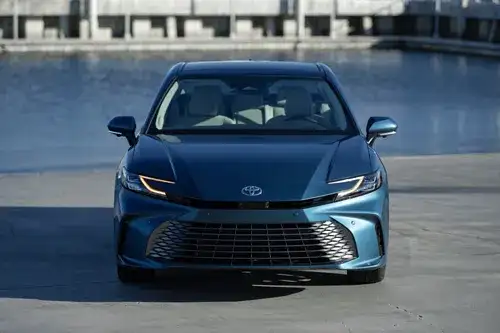
A Toyota Camry Hybrid came into our service bay last month after the owner noticed his fuel economy had dropped nearly 20 percent over the winter and hadn’t recovered heading into spring. He commuted daily on US-322 between Mayfield Heights and downtown Cleveland and assumed the cold weather was permanently to blame. What we found was a hybrid battery cooling system that had accumulated significant debris and a thermal management calibration that had drifted after two Cleveland winters without a hybrid-specific inspection. Correcting both issues cost $420. The hybrid system inspection he had been skipping at each oil change visit would have cost $95 per year.
Cleveland’s weather is not kind to battery chemistry. The stretch from November through March in Cuyahoga County delivers the kind of temperature swings that battery management engineers use as worst-case scenarios in their testing protocols, and the Camry Hybrid’s battery pack experiences every one of those swings in real time. A week of single-digit temperatures followed by a January thaw that pushes into the 50s, followed by another cold snap that drops back below freezing before March is done, is not an unusual pattern for Cleveland Heights drivers. Each of those transitions asks something specific of the hybrid battery’s thermal management system, and a system that is properly maintained handles them without meaningful efficiency loss. One that has been overlooked accumulates the consequences of each cycle.
The Toyota Camry Hybrid is one of the most capable and reliable hybrid vehicles in its segment, and its battery system is engineered with Cleveland-style temperature extremes in mind. What the engineering cannot compensate for is deferred maintenance on the systems that manage the battery’s thermal environment. At Toyota Cleveland Heights, we service more hybrid battery-related efficiency complaints in the spring, when owners realize their fuel economy never recovered from winter, than at any other time of year. The pattern is consistent and the cause is almost always the same: a thermal management system that needed attention before the cold season arrived rather than after.
How the Camry Hybrid Battery System Manages Temperature
The Camry Hybrid’s nickel-metal hydride or lithium-ion battery pack, depending on model year, operates within a specific temperature window to deliver its rated efficiency and charge acceptance. Below that window, the battery’s internal resistance increases, which reduces its ability to accept the charge that regenerative braking produces and limits its contribution to acceleration. Above that window, accelerated chemical degradation occurs that permanently reduces capacity over time. The thermal management system’s job is to keep the pack within that window regardless of what Cleveland’s weather is doing outside the vehicle.
The battery cooling system uses cabin air drawn through a dedicated intake duct to regulate pack temperature during operation. That duct and the fan system pulling air through it are the first points where Cleveland’s environment creates a maintenance requirement that owners in milder climates rarely encounter. Road salt particulate, the fine mineral dust that Cuyahoga County roads accumulate through the winter treatment season, and the general debris load from driving on Mayfield Road and US-322 through a full Ohio winter all find their way into the battery cooling intake over time. A partially blocked intake restricts airflow across the battery pack, and a battery pack that can’t shed heat efficiently during charging cycles degrades faster and delivers less of its rated efficiency in the meantime.
What Cleveland’s Temperature Extremes Ask of the Battery 🌨️
Northeast Ohio’s seasonal temperature range is among the widest of any major metropolitan area in the country. Cleveland Heights drivers regularly experience temperatures below 10 degrees Fahrenheit in January and above 90 degrees in July, a swing of more than 80 degrees that the Camry Hybrid’s battery management system navigates continuously. Each end of that range creates a specific challenge.
In extreme cold, the battery management system actively warms the pack before allowing full hybrid operation, which consumes energy and temporarily reduces the efficiency contribution the hybrid system makes to the overall drivetrain. This is normal and expected, but a battery pack that has accumulated capacity loss from thermal management neglect enters each cold event with less reserve than a well-maintained pack does, which means the cold-weather efficiency penalty is larger and lasts longer into the warming portion of each drive. On the stretch of I-90 between Cleveland Heights and downtown Cleveland, that difference shows up at the fuel pump across a full winter season.
The summer heat creates the opposite concern. The battery cooling system that manages pack temperature during hot weather is the same system whose intake gets clogged by winter road debris. An intake that is partially restricted from a winter’s worth of particulate accumulation enters the summer cooling season already compromised, which means the pack runs warmer than it should during July and August driving on US-322 and the I-271 corridor. Sustained elevated temperatures accelerate the permanent capacity loss that reduces the battery’s long-term contribution to fuel economy.
What Hybrid Battery Maintenance Costs vs. What Neglect Costs 💰
Keeping the Camry Hybrid’s battery system in proper condition through Cleveland’s seasonal extremes involves a specific set of services:
- Annual hybrid battery system inspection: $85 to $120
- Battery cooling intake cleaning: $65 to $95
- Hybrid system thermal calibration check: $95 to $140
- Cabin air filter replacement (affects battery cooling air quality): $55 to $85
- Hybrid battery cooling fan service: $75 to $110
Proactive hybrid maintenance over three years: $600 to $850 total
Reactive corrections after deferred maintenance:
- Hybrid battery capacity restoration service: $380 to $620
- Cooling system cleaning after significant blockage: $185 to $310
- Hybrid control module recalibration after thermal fault: $220 to $380
- Hybrid battery replacement (severe long-term neglect): $2,800 to $4,500
The Camry Hybrid’s battery is the component that justifies the purchase price premium over a conventional Camry. Protecting it through Cleveland’s demanding seasonal cycle is the maintenance decision with the highest return of any service on the vehicle.
A University Heights Driver Who Caught It Early
A Camry Hybrid owner from University Heights came in last October before the first significant cold snap of the season specifically because she had read that Cleveland winters were hard on hybrid systems and wanted to establish a baseline. Smart timing. Our inspection found the battery cooling intake partially blocked with the fine particulate accumulation typical of a full Ohio driving season and the cooling fan running at reduced efficiency from debris in the fan housing. We cleaned both for $140 total and verified the thermal management calibration was within spec. She came back in April after her first full Cleveland winter in the vehicle and her fuel economy data showed winter degradation well within the normal range for cold-weather hybrid operation, and a spring recovery to within 3 percent of her original delivery-day numbers. Catching the cooling system before winter made the difference.
Warning Signs Your Camry Hybrid Battery Needs Attention ⚠️
The Camry Hybrid’s battery system communicates its condition in ways that are easy to miss until the efficiency loss has been building for some time. These are the indicators Cleveland Heights drivers should watch for:
Fuel economy that hasn’t recovered after winter ends: The cold-weather efficiency penalty on a healthy Camry Hybrid resolves as temperatures rise in spring. Fuel economy that remains significantly below your warm-weather baseline well into May or June, on familiar routes like US-322 or Mayfield Road, indicates a battery or thermal management issue rather than lingering cold-weather effects.
Hybrid battery charge indicator that builds more slowly on familiar routes: If you know from experience how quickly the battery charges on the regenerative braking opportunities on your normal commute and that rate has slowed noticeably, the battery’s charge acceptance has declined from either thermal management issues or capacity loss.
EV mode that engages less frequently or for shorter distances: The Camry Hybrid’s ability to run on electric power alone at low speeds is a direct indicator of battery health. A battery that drops out of EV mode sooner than it used to on familiar low-speed stretches near Cedar Road or South Taylor Road is showing reduced capacity.
Hybrid system warning light: Any warning associated with the hybrid system warrants prompt attention. The Camry Hybrid’s battery management system logs thermal and capacity faults before they become component failures if acted on quickly.
Increased engine noise during low-speed driving: If the gasoline engine is running more frequently during low-speed city driving around Cleveland Heights than it used to, the battery is contributing less to the hybrid system’s operation than it should, which points to capacity or thermal management issues.
Cabin airflow that feels reduced despite normal fan settings: The battery cooling system shares its air supply with the rear cabin area in many Camry Hybrid configurations. A blocked battery cooling intake can affect rear passenger airflow in ways that are noticeable before the efficiency impact becomes dramatic.
Fuel economy that varies more widely than expected between similar trips: A healthy hybrid battery delivers consistent efficiency contributions across similar driving conditions. Wide variation between comparable trips on I-271 or US-322 that isn’t explained by traffic differences points to inconsistent battery performance from thermal management issues.
What Our Service Team Says
“Cleveland winters are about as demanding as it gets for a hybrid battery system, and the thing most owners don’t realize is that the cooling intake issue builds up gradually through the driving season without producing any obvious symptoms until the efficiency loss is already significant. We recommend every Camry Hybrid owner in this area treat the annual hybrid inspection as a non-negotiable before the cold season starts, not after it ends. By April, the damage from a winter of restricted cooling airflow has already happened. The time to catch it is October.” — Brian Kowalski, Hybrid Systems Technician, Toyota Cleveland Heights
When Proactive Timing Protected a Major Investment
James drives his Camry Hybrid between Cleveland Heights and his workplace near the I-90 and I-71 interchange daily, putting significant miles on the vehicle through every season. He established a hybrid-specific maintenance schedule from his second year of ownership after noticing a larger-than-expected winter fuel economy drop in year one. Each fall since, he has come in for the battery cooling intake cleaning and hybrid system inspection before the temperature drops significantly. His battery health data at 67,000 miles shows capacity retention in the top quartile for his model year and mileage combination, and his real-world fuel economy has remained within 4 percent of his original delivery-day numbers across three Cleveland winters. He attributes it entirely to the fall pre-season service.
Your 30-Day Hybrid Battery Check
This week, pull up your fuel economy data from the past 30 days and compare it against the same period last year if your vehicle tracks historical data, or against your general expectation for your normal commute routes on US-322 and the I-271 corridor. A gap that has opened and not closed as the weather has warmed is the clearest early indicator that the battery system needs attention before next winter compounds the issue further.
Within two weeks, check your service records for the last hybrid-specific inspection date. If it has been more than 12 months or you have never had a dedicated hybrid system check beyond the standard oil change inspection, that gap is the most important item on your near-term service list. The hybrid battery is the single most expensive component in the vehicle and the one most directly affected by Cleveland’s seasonal extremes.
By month’s end, schedule a hybrid battery system inspection at Toyota Cleveland Heights if you are within range of the annual interval or if your fuel economy data suggests the system has been underperforming. Ask our team to inspect the battery cooling intake, clean any accumulated debris, verify the cooling fan operation, and check the thermal management calibration against Toyota’s current baseline for your model year and mileage. These steps take less than two hours and protect an investment that costs several thousand dollars to replace when neglect reaches the point of no return.
Schedule Your Camry Hybrid Battery Service at Toyota Cleveland Heights
The owner who came in with a 20 percent fuel economy drop and $420 worth of deferred hybrid system corrections has been on an annual pre-season inspection schedule since that visit. His fuel economy recovered to within 5 percent of his original baseline after the corrective service and has held there through the subsequent winter. He told us he had assumed the efficiency loss was just what happened to hybrids in Cleveland. It isn’t, not when the thermal management system is maintained correctly.
Toyota Cleveland Heights is equipped with the hybrid diagnostic tools, the trained technicians, and the Cleveland-specific seasonal knowledge to keep your Camry Hybrid performing the way Toyota engineered it to perform, through January cold snaps, April temperature swings, and July heat alike.
Visit us at Toyota Cleveland Heights, located at 2950 Mayfield Rd, Cleveland Heights, OH 44118. Our service department is open Monday through Saturday. Schedule your hybrid battery inspection online through our website or speak with one of our service advisors directly. We serve drivers from Cleveland Heights, University Heights, South Euclid, Lyndhurst, Mayfield Heights, and throughout Cuyahoga County. Cleveland’s weather will test your hybrid battery every single season. Make sure it’s ready. 🔋
0 comment(s) so far on Hybrid Battery Health: Keeping your Camry Hybrid efficient through Cleveland’s fluctuating temps