

Hybrid Battery Health: Maintaining Efficiency on the US-322 Commute
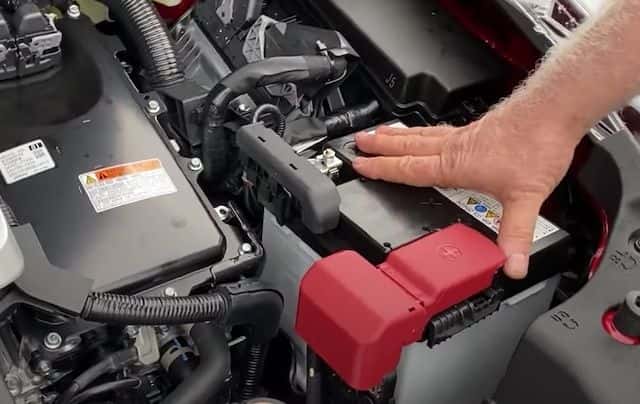
A Toyota Camry Hybrid owner came into our service bay last month after noticing a persistent fuel economy drop on her daily US-322 commute between Mayfield Heights and downtown Cleveland that had not recovered despite the arrival of warmer spring weather. She had attributed the winter efficiency loss to cold temperatures and assumed it would resolve on its own as the season changed. When we connected the hybrid diagnostic system, the battery cooling intake was severely restricted from a full winter of lake-effect road salt accumulation and the thermal management calibration had drifted outside of its optimal range. Correcting both issues cost $430. The annual hybrid inspection she had skipped for two consecutive years at $95 each would have cost $190 total over that same period.
The US-322 corridor between Cleveland Heights and downtown Cleveland is one of the more demanding daily commutes in Cuyahoga County for a hybrid battery system. The route combines the stop-and-go traffic patterns near the University Circle interchange and the Cedar Road approach to downtown that maximize the regenerative braking opportunities a healthy hybrid battery captures, with the sustained highway sections on the outer portions of the commute that push the battery’s thermal management system through the full range of conditions Ohio’s seasons produce. A Camry Hybrid or RAV4 Hybrid that is performing at its designed efficiency on this route captures meaningful energy from every braking event on Cedar Road and every deceleration approaching the downtown connector. One whose battery system has been compromised by deferred maintenance is converting those same opportunities into heat rather than stored energy, and the fuel gauge reflects the difference.
At Toyota Cleveland Heights, we service more hybrid vehicles in the greater Cleveland area than any other single service category, and the pattern of what separates the hybrid owners who maintain their original fuel economy through year five and year six from those who see significant efficiency decline by year three is consistent and clear. The maintenance items that protect hybrid battery performance in Cleveland’s specific driving and climate environment are not complicated, and they are not expensive relative to the battery replacement they prevent. What they require is understanding that a hybrid battery system needs more than what a standard oil change inspection provides and establishing the annual service rhythm that Cleveland’s demanding seasonal cycle demands.
What the US-322 Commute Asks of the Hybrid System
The specific driving character of the US-322 commute between Cleveland Heights and downtown creates conditions that are both ideal for hybrid efficiency and demanding for the battery system that captures it. Understanding both sides of that equation helps hybrid owners in this corridor appreciate why the system needs consistent maintenance to deliver what the route makes possible.
The stop-and-go sections on Cedar Road approaching University Circle and the traffic patterns on Fairmount Boulevard through Cleveland Heights create frequent deceleration events that a healthy Camry or RAV4 Hybrid battery captures as regenerative charging cycles. Each braking event that the hybrid system handles sends energy back into the battery rather than dispersing it as heat through the friction brakes. On a round trip commute that includes the Cedar Road corridor, a functioning hybrid system at full efficiency recovers meaningful energy that directly reduces fuel consumption on the acceleration events that follow. A battery whose charge acceptance has been reduced by thermal management neglect accepts less energy at each of those recovery opportunities, which means the gasoline engine compensates for the shortfall more frequently on the second half of each commute.
The lake-effect weather that defines Cleveland’s winter season adds the maintenance dimension to this efficiency story. The road salt that Cuyahoga County applies from November through March accumulates in the battery cooling intake at a rate that is specific to the lake-effect corridor and that standard service intervals calibrated for average national conditions do not fully account for. A cooling intake that is partially blocked entering the summer season restricts the airflow the battery pack needs to manage heat during the sustained demand that Cedar Road stop-and-go traffic in July and August produces. The efficiency loss from inadequate summer cooling is permanent in a way that the temporary winter cold-weather penalty is not, because elevated battery temperatures during the months when cooling demand is highest accelerate the chemical degradation that reduces capacity irreversibly over time.
What Lake-Effect Conditions Do to the Hybrid Battery 🌨️
Northeast Ohio’s lake-effect weather pattern creates a maintenance challenge for hybrid battery systems that is more specific and more consequential than the general cold-weather efficiency impact that most hybrid owners understand. The frequency and intensity of lake-effect snow events through the Cleveland Heights and Mayfield Heights corridor demands proportionally heavier road treatment than non-lake-effect markets receive, which means the battery cooling intake on a Cleveland Heights hybrid accumulates salt particulate at a rate that is meaningfully higher than the same vehicle would experience in Columbus, Cincinnati, or any location outside the lake-effect snow belt.
Beyond the salt accumulation, the moisture content of lake-effect conditions adds a factor that warrants specific attention for hybrid battery systems. The battery cooling system draws cabin air through its intake duct to regulate pack temperature, and cabin air in a Cleveland Heights vehicle during winter months carries significantly more moisture than the same system manages in a drier climate. Repeated moisture exposure in the battery housing area over multiple winters affects the battery management electronics in ways that dry-climate operation does not produce, which is why hybrid-specific cooling system inspection and cleaning is particularly relevant for vehicles that have been through multiple Cleveland lake-effect winters.
The seasonal transition from winter to summer is where the accumulated maintenance deficit becomes most consequential. A battery cooling intake that has accumulated a full winter of lake-effect salt and moisture contamination enters the summer cooling season already compromised, which means the pack runs warmer than designed during the July and August months when the Cedar Road and US-322 commute generates the most sustained heat through stop-and-go traffic. Elevated pack temperatures during peak demand months accelerate the permanent capacity loss that reduces long-term fuel economy in ways that no subsequent maintenance can reverse.
What Hybrid Battery Maintenance Costs vs. What Neglect Costs 💰
The maintenance cost structure for Toyota hybrid battery systems in Cleveland’s environment reflects the importance of the annual service commitment:
- Annual hybrid battery system inspection: $85 to $120
- Battery cooling intake cleaning (post lake-effect season): $65 to $95
- Hybrid thermal management calibration check: $95 to $140
- Cabin air filter replacement: $55 to $85
- Battery cooling fan service: $75 to $110
Proactive hybrid maintenance over four years: $700 to $950 total
Reactive corrections from deferred maintenance:
- Hybrid battery capacity restoration service: $420 to $680
- Cooling system cleaning after severe blockage: $195 to $340
- Hybrid control module recalibration after thermal fault: $240 to $420
- Hybrid battery replacement from long-term neglect: $3,200 to $5,800 for Camry Hybrid, $3,800 to $6,400 for RAV4 Hybrid
The annual hybrid inspection cost over four years is less than the cost of a single capacity restoration service and represents a fraction of the battery replacement cost that long-term neglect eventually produces. On the US-322 commute where the hybrid system’s efficiency contribution is most visible in daily fuel costs, protecting that contribution through consistent maintenance is the highest-return service decision in the vehicle’s ownership.
A Mayfield Heights Commuter Who Established the Baseline Early
A Camry Hybrid owner from Mayfield Heights came in last September before his third Ohio winter in the vehicle specifically because a colleague at his downtown Cleveland workplace had experienced significant hybrid efficiency decline and he wanted to understand whether his vehicle was showing early indicators. His system showed a partially blocked cooling intake from two driving seasons of US-322 commuting through lake-effect winters and a thermal management calibration at the lower end of its acceptable range. Both were corrected for $195 total. He came back the following April and his fuel economy data showed winter degradation consistent with normal cold-weather operation and a spring recovery to within 3 percent of his original delivery numbers. The pre-winter baseline correction had given his system the thermal management capacity to handle a third Cleveland winter without accumulating the permanent degradation that insufficient cooling produces.
Warning Signs Your Hybrid Battery Needs Attention ⚠️
The US-322 corridor provides a consistent reference route that makes hybrid battery performance changes easier to identify than less consistent driving patterns allow. These indicators in the context of this specific commute warrant a hybrid system inspection:
Fuel economy on the US-322 commute that hasn’t recovered after winter ends: A healthy Camry or RAV4 Hybrid’s cold-weather efficiency penalty resolves as spring temperatures arrive. Economy that remains significantly below your warm-weather US-322 baseline well into May indicates a battery or thermal management condition rather than normal seasonal variation. If you were consistently achieving a specific mpg figure on the Cedar Road corridor in October and that figure hasn’t returned by May, the battery system deserves inspection.
EV mode that engages less frequently on familiar sections of the commute: The stop-and-go sections of the US-322 and Cedar Road corridor offer consistent low-speed opportunities for EV-mode operation in a healthy hybrid. A system that was running in EV mode through familiar sections of Fairmount Boulevard last year but now fires the gasoline engine earlier in those same sections is showing reduced battery capacity or charge acceptance.
Regenerative braking that feels less progressive than it used to: The blending between regenerative and friction braking should be smooth and consistent on the US-322 approach to downtown. A pedal that feels different through the regenerative phase of deceleration, either less smooth or less progressive than it did previously, points to a battery management or thermal calibration issue that warrants professional assessment.
Fuel economy that varies more widely than expected between similar commutes: A healthy hybrid battery delivers consistent efficiency contributions across similar driving conditions. Significant variation between Monday and Wednesday commutes on the same US-322 route that cannot be explained by traffic differences points to inconsistent battery performance from thermal management issues rather than driving pattern variation.
Hybrid system warning light during a commute: Any warning associated with the hybrid system during the US-322 commute warrants a same-week service visit rather than a monitor-and-see response. Toyota’s hybrid management system logs thermal and capacity faults before they reach component failure levels if acted on promptly, and a warning light that appears during a Cleveland Heights commute is not a false alarm to dismiss.
Rear cabin airflow that feels weaker than the front: In some Toyota Camry Hybrid and RAV4 Hybrid configurations the battery cooling system shares its air supply with the rear passenger zone. A blocked cooling intake can reduce rear airflow in ways that are noticeable to passengers before the fuel economy impact becomes obvious to the driver.
Increased engine frequency during the Cedar Road stop-and-go section: A hybrid that is running the gasoline engine more consistently through the Cedar Road traffic corridor than it used to is compensating for a battery contribution that has declined. This is the efficiency loss that the fuel gauge reflects before the driver consciously identifies the pattern.
What Our Service Team Says
“The US-322 commute is one of the routes I think about specifically when I talk to hybrid owners about the annual inspection. The combination of the stop-and-go efficiency opportunity on Cedar Road and the lake-effect winter that the corridor runs through makes this route both the best demonstration of what a healthy hybrid system can deliver and the most reliable revealer of what a neglected one cannot. The owners who come in before winter and after winter for the hybrid-specific check consistently show better battery health data at high mileage than the ones who rely on the oil change interval alone. This battery defines the value of the hybrid purchase. Protect it accordingly.” — Brian Kowalski, Hybrid Systems Technician, Toyota Cleveland Heights
When Consistent Timing Protected a Long-Term Investment
James drives his RAV4 Hybrid between Cleveland Heights and his employer near the I-90 and East 9th Street interchange daily, covering the full US-322 and Cedar Road corridor through every season. He established a pre-winter and post-winter hybrid inspection schedule from his second year of ownership after a conversation with our service team about what the lake-effect corridor specifically does to battery cooling systems. Each October he comes in for the cooling intake cleaning and thermal management calibration check before temperatures drop significantly. Each April he returns for a post-winter assessment that documents any calibration drift from the season’s thermal cycling. His battery health data at 68,000 miles shows capacity retention in the top third for his model year and mileage, and his US-322 fuel economy has remained within 4 percent of his delivery-day numbers through four Cleveland winters. The pre-season and post-season service rhythm has cost him approximately $760 over four years. The battery replacement it has protected against costs $3,800 to $6,400.
Your 30-Day US-322 Hybrid Battery Check
This week, note your current fuel economy on the US-322 commute and compare it honestly against the efficiency you were achieving on the same route in the first warm-weather season after delivery. A gap that has opened over time and has not closed despite the arrival of warmer temperatures is the most accessible early indicator of battery system decline that the US-322 corridor makes measurable. This comparison takes no additional time because it uses your existing commute as the reference route.
Within two weeks, check your service records for the last hybrid-specific inspection date and note whether it was performed as a dedicated hybrid service or simply as part of a standard oil change multi-point inspection. A multi-point inspection that notes no visible hybrid system warning is not the same as a dedicated hybrid battery system check that measures cooling intake restriction, tests cooling fan operation, and verifies thermal management calibration against Toyota’s current baseline for your model year and mileage. If your hybrid has not had the dedicated service, that gap is the most important item on your near-term maintenance list regardless of how the vehicle feels on the US-322 commute.
By month’s end, schedule a hybrid battery system inspection at Toyota Cleveland Heights that specifically includes cooling intake inspection and cleaning, cooling fan operation verification, and thermal management calibration assessment against Toyota’s current baseline for your vehicle. Ask our team to document the battery health data from this visit so that future assessments have a reference point for comparison rather than providing isolated readings without context. These steps take less than two hours and establish the maintenance foundation that the US-322 corridor’s efficiency opportunity deserves to be built on.
Schedule Your Hybrid Battery Service at Toyota Cleveland Heights
The Camry Hybrid owner whose two years of skipped annual inspections produced a $430 corrective service has maintained her annual hybrid inspection schedule consistently since that visit. Her fuel economy on the US-322 commute recovered to within 5 percent of her delivery-day baseline after the corrective service and has held there through two subsequent winters. She told us she had not realized that standard oil change inspections were not covering what the hybrid battery system specifically needed. In Cleveland’s lake-effect corridor, they are not, and the difference between what a standard visit covers and what the hybrid battery requires is exactly the gap the annual inspection closes.
Toyota Cleveland Heights is equipped with the hybrid diagnostic tools, the trained technicians, and the Cleveland-specific seasonal knowledge to keep your Camry Hybrid or RAV4 Hybrid performing the way Toyota engineered it to perform across every mile of the US-322 commute through every Ohio season.
Visit us at Toyota Cleveland Heights, 2950 Mayfield Rd, Cleveland Heights, OH 44118. Our service department is open Monday through Saturday. Schedule your hybrid battery inspection online through our website or speak with one of our service advisors directly. We serve drivers from Cleveland Heights, University Heights, South Euclid, Lyndhurst, Mayfield Heights, and throughout Cuyahoga County. The US-322 commute offers your hybrid system an efficiency opportunity every single day. Make sure the battery is ready to capture it. 🔋
0 comment(s) so far on Hybrid Battery Health: Maintaining Efficiency on the US-322 Commute