

Hybrid Battery Longevity: Navigating Ohio’s Winter Grime with Your Prius or RAV4 Hybrid
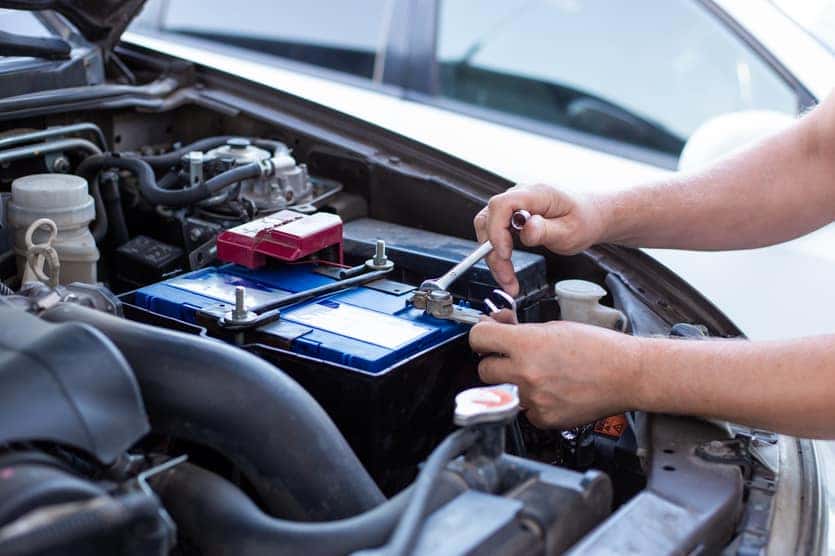
Last February, a 2018 Toyota Prius came into our service bay after its owner spent three weeks ignoring a flashing ready light and reduced power warnings during her commute on I-271 toward Cleveland Heights. She had assumed the cold weather was just making the car “act funny” and figured it would sort itself out in spring. After another 2,200 miles of stop-and-go traffic on Mayfield Road with the battery operating in a degraded state, two of the hybrid battery modules had failed entirely. The battery module replacement and reconditioning ran $2,400. The hybrid health inspection she skipped? $149.
That story plays out more often than most Toyota hybrid owners in Northeast Ohio realize. Cleveland’s winters are not just cold, they are relentlessly damp, heavily salted, and full of the kind of short-trip, low-speed driving that puts hybrid batteries under sustained stress. The freeze-thaw cycles along the Lake Erie corridor are particularly punishing, with temperatures swinging from single digits to the mid-forties within the same week throughout January and February.
What makes this especially frustrating is that Toyota’s hybrid battery system in the Prius and RAV4 Hybrid is genuinely built to last. These batteries are engineered for well over 150,000 miles under normal conditions. The problem is that Cleveland Heights winters are not normal conditions, and without a little attention, that engineering margin disappears faster than it should.
In this guide, we’ll cover how your Toyota hybrid battery actually works, what Ohio winters specifically do to shorten its lifespan, the warning signs worth taking seriously, and the maintenance habits that keep your battery healthy through decades of Lake Erie winters.
How Your Toyota Hybrid Battery Works
The Battery’s Role in Everyday Driving
Toyota’s hybrid battery in the Prius and RAV4 Hybrid is a nickel-metal hydride or lithium-ion pack depending on the model year, and it does something more nuanced than simply powering an electric motor. The battery charges through regenerative braking, meaning every time you slow down for a light on Cedar Road or ease off the throttle on the I-480 interchange, the system converts that kinetic energy into stored electricity rather than wasting it as heat.
The hybrid control module then decides in real time how to blend battery power and gasoline engine output to maximize efficiency. In stop-and-go driving around University Heights and South Euclid, the battery is doing the heavy lifting. On longer highway stretches, it cycles in and out of support mode while the engine does most of the work. That constant cycling is by design, and it is what makes hybrids so efficient in urban environments.
Why Cold Changes Everything
Hybrid battery chemistry slows down in cold temperatures. The electrochemical reactions that allow the battery to accept and deliver charge happen more sluggishly below 40 degrees, and in single-digit temperatures they can be significantly impaired. Toyota’s battery management system compensates by limiting how aggressively it charges and discharges in the cold, which you may notice as reduced electric-only range or the gasoline engine starting more readily than usual.
The real concern is not one cold morning. It is months of repeated cold starts, abbreviated charge cycles, and the battery never fully warming to its optimal operating temperature on short commutes around Cleveland Heights. Over time, this thermal stress accelerates the aging of individual battery modules unevenly, and once a few modules weaken, the whole pack is compromised.
Warning Signs Your Hybrid Battery Needs Attention
Catching a hybrid battery issue early is the difference between a manageable repair and a full replacement. Toyota’s system is communicative when something is wrong, but the warning signs are easy to dismiss as weather-related quirks during an Ohio winter. Here is what to watch for, from most common to most serious.
- Reduced fuel economy that persists after cold weather passes. A drop of 15 percent or more in your typical MPG is one of the earliest signs that battery capacity is declining.
- The ready light flashing or taking longer to illuminate. This indicates the battery management system is struggling to bring the pack to a healthy state of charge.
- Increased frequency of the gasoline engine running at low speeds. If your Prius or RAV4 Hybrid is firing up the engine more often in parking lots and neighborhoods, the battery is not delivering enough electric support.
- A red or amber hybrid system warning on the dashboard. This is the system telling you directly that something needs professional attention. Do not wait on this one.
- Unusual fan noise from the rear of the vehicle. The battery cooling fan runs harder when modules are stressed or running hot from compensation. Louder or more frequent fan operation is worth investigating.
- Sluggish acceleration from a stop. If the immediate, smooth electric-motor torque you’re used to feels diminished, battery output is compromised.
- State of charge fluctuating rapidly on the energy monitor. Healthy batteries hold charge steadily. Rapid swings between high and low indicate module inconsistency.
If two or more of these symptoms appear together, schedule a hybrid battery diagnostic rather than waiting for the next scheduled service. The warning window between early symptoms and module failure can be short during a hard Ohio winter.
What Cleveland’s Winters Do to Hybrid Batteries
The Freeze-Thaw Problem
Cleveland Heights sits in one of the most aggressive freeze-thaw environments in the country. The proximity to Lake Erie moderates temperatures just enough to keep the area cycling through freezing and thawing repeatedly throughout winter rather than staying consistently cold. That cycling is harder on battery components than sustained cold because the materials expand and contract repeatedly, stressing the connections between modules and accelerating corrosion on the battery terminals and venting components.
Road salt compounds this significantly. Northeast Ohio’s roads are among the most heavily salted in the nation, and that brine mist migrates into undercarriage components including the battery housing on some Prius configurations. While Toyota’s battery enclosures are well-sealed, the connectors, sensors, and cooling pathways benefit from periodic inspection, particularly after several Ohio winters.
Short-Trip Driving in Cold Weather
The typical Cleveland Heights commute, a few miles from South Euclid or University Heights into Cleveland proper, is one of the harder use cases for a hybrid battery. Short trips in cold weather mean the battery never fully warms up, never completes a full charge cycle, and the gasoline engine runs longer than it otherwise would to compensate. Repeat that pattern five days a week from November through March and the cumulative effect on battery module health is measurable.
A Cost Comparison Worth Seeing
What deferred hybrid battery maintenance costs:
- Hybrid battery module replacement (partial): $1,200 – $1,800
- Full hybrid battery replacement (if multiple modules fail): $2,500 – $4,500
- Hybrid system recalibration after replacement: $200 – $350
- Total if ignored: $1,400 – $4,850
What proactive hybrid care costs:
- Annual hybrid battery health inspection: $149
- Battery terminal cleaning and cooling system check: $75 – $100
- Hybrid system software update if applicable: included with inspection
- Smart total: $149 – $249 per year
Your potential savings from staying ahead of it: $1,200 – $4,600.
Maintenance Habits That Protect Your Hybrid Battery Through Ohio Winters
Keep It Moving, Even in Winter
One of the simplest things you can do for your hybrid battery is avoid letting the vehicle sit unused for extended periods during cold weather. When a hybrid battery sits in subfreezing temperatures without cycling, the self-discharge rate increases and individual modules can drift out of balance. If you are leaving town for the holidays or the car will sit for more than a week in winter, parking it in a garage, even an unheated one, makes a meaningful difference compared to leaving it exposed on a street in Cleveland Heights.
Battery Cooling System Maintenance
Toyota hybrid batteries use an active cooling system, typically drawing cabin air across the battery pack to regulate temperature. The intake vents, usually located in the rear cabin area, need to remain clear. It is surprisingly common for winter gear, grocery bags, or cargo to block these vents without the owner realizing it, causing the battery to run warmer than it should. A quick check of the rear seat area and cargo space takes thirty seconds and is worth doing before every winter season.
A RAV4 Hybrid owner from Lyndhurst came to us last November after noticing her fuel economy had dropped noticeably on her commute along US-322. When we ran the hybrid diagnostic, three battery modules were reading below threshold, and the cooling vent on the passenger side had been partially blocked by a cargo organizer for over a year. We cleared the obstruction, reconditioned the battery, and recalibrated the system for $680. Had she come in at the first sign of reduced MPG, the reconditioning alone would have been $290.
Annual Pre-Winter Hybrid Inspection
The ideal time to have your hybrid battery professionally evaluated is October, before temperatures drop and the battery is asked to perform under stress. A proper hybrid inspection at a Toyota-certified facility includes reading the individual module voltages to identify any cells that are weakening, checking the cooling system function, verifying the battery management software is current, and confirming the 12-volt auxiliary battery is healthy. That last point matters more than most owners realize: a weak 12-volt battery is one of the most common triggers for hybrid system warnings in cold weather.
“We see a lot of Prius and RAV4 Hybrid owners come in during January and February convinced the hybrid battery is failing, and sometimes it is, but just as often it’s the 12-volt auxiliary battery that’s causing all the warning lights,” says David Kowalski, Toyota Master Diagnostic Technician at the Mayfield Road location. “A 12-volt replacement is $180 to $250. Waiting until it takes the hybrid system down with it can turn into a much larger diagnostic and repair bill. Check both batteries before winter, not after.”
Your 30-Day Hybrid Battery Check
This week: Review your fuel economy trend. Pull up your vehicle’s energy monitor or check your average MPG display and compare it to what you were seeing this time last year or during warmer months. A sustained drop of more than 15 percent that persists after the car has fully warmed up is worth noting. If your Prius or RAV4 Hybrid has a connected app, check whether Toyota’s telematics show any stored hybrid system alerts you may have dismissed.
Within two weeks: Clear and inspect the battery cooling vents. Walk to the rear of your vehicle and locate the hybrid battery cooling intake, typically a grille vent in the rear passenger area or cargo section. Remove any items blocking it and vacuum out any accumulated dust or debris from the vent surface. This takes about ten minutes and directly affects how well your battery manages temperature during cold-weather operation.
By month’s end: Schedule a pre-winter hybrid health inspection. Bring your Prius or RAV4 Hybrid into Toyota Cleveland Heights for a full hybrid battery diagnostic before temperatures drop below freezing consistently. Our technicians will read individual module voltages, check cooling system airflow, verify software calibration, and test the 12-volt auxiliary battery. This single visit gives you a clear picture of where your battery stands heading into the hardest months of the Ohio driving year.
These three steps take less than an hour of your time but can add years to your hybrid battery’s service life and save you from a costly mid-winter repair.
What the Long View Looks Like
Three annual hybrid inspections at roughly $149 each comes to $447. A single partial battery module replacement starts at $1,200. The math is straightforward, but the non-monetary cost matters too: a hybrid battery failure in January in Cleveland Heights means a tow, time without your vehicle, and the stress of an unexpected large repair during one of the hardest months of the year to be without reliable transportation.
Toyota hybrid batteries are capable of lasting well beyond 200,000 miles when the system is maintained properly. The owners we see achieve that mileage are not doing anything complicated. They are keeping up with inspections, not ignoring early warning signs, and understanding that a hybrid system in Northeast Ohio deserves a little more attention than the same vehicle would need in Phoenix or San Diego.
Taking Care of It Before Ohio Does
The Prius owner from the opening of this article came back to us the following October. She scheduled a pre-winter hybrid inspection and has been on a consistent annual check schedule since. Her battery has been stable across two subsequent winters, and her fuel economy has returned to the range she was seeing when the car was new.
If your Prius or RAV4 Hybrid is heading into another Cleveland winter, it is worth knowing where your battery stands before the temperatures drop. The service team at Toyota Cleveland Heights, located at 2950 Mayfield Rd, Cleveland Heights, OH 44118, can run a full hybrid diagnostic and give you an honest picture of your battery’s health. Scheduling is available online or through the service department directly. A healthy hybrid battery is one of the best investments you can make in a Northeast Ohio winter. ❄️
0 comment(s) so far on Hybrid Battery Longevity: Navigating Ohio’s Winter Grime with Your Prius or RAV4 Hybrid