

Hybrid Care 101: Keeping Your Toyota Prius Running Smoothly
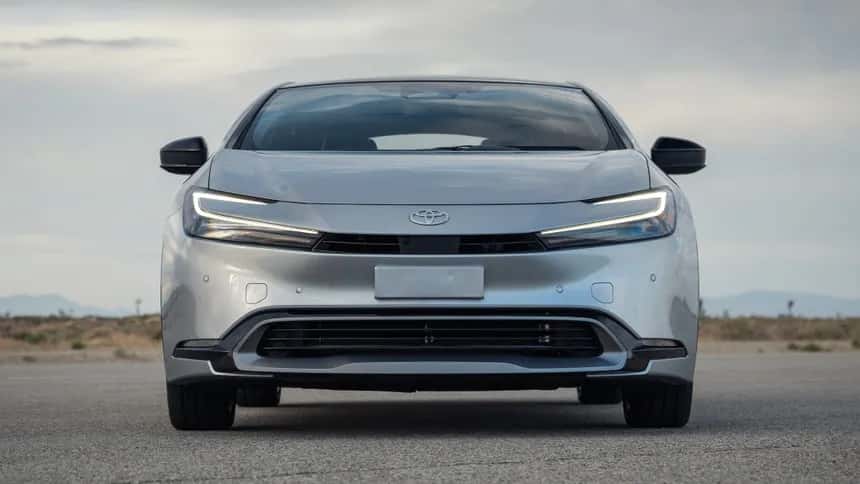
Your Toyota Prius represents one of the automotive industry’s most successful innovations, combining a gasoline engine with electric motors to deliver exceptional fuel economy and reliability. For over two decades, the Prius has proven that hybrid technology can be both practical and dependable. However, like any sophisticated system, your hybrid requires specific care and attention to maintain its impressive performance and longevity.
Here’s what many Cleveland Heights drivers don’t fully understand: your Prius isn’t just a regular car with a battery added. It’s an integrated system where the gasoline engine, electric motors, power electronics, and hybrid battery work together seamlessly. Each component depends on the others, and maintenance neglect in one area can cascade into problems throughout the system. Understanding these interconnections is essential to protecting your investment.
Whether you’re commuting down Cedar Road to University Circle, navigating the hills around Coventry Village, or taking weekend trips through Northeast Ohio, your Prius’s hybrid system is constantly optimizing power delivery for maximum efficiency. This article will help you understand what makes hybrid maintenance unique, recognize warning signs that need attention, and implement care strategies that keep your Prius running smoothly for 200,000 miles and beyond.
How Your Prius Hybrid System Works
The Power of Two Systems
Your Prius uses both a gasoline engine and two electric motor-generators working through a sophisticated power-split device. This system allows the car to operate in pure electric mode at low speeds, use the gasoline engine for highway cruising, or combine both power sources for maximum acceleration. The system seamlessly switches between these modes hundreds of times during a typical drive without you noticing.
The hybrid battery pack stores energy recovered during braking and coasting. When you brake, the electric motors reverse their function and become generators, converting kinetic energy back into electricity. This regenerative braking system not only improves fuel economy but also reduces wear on your conventional friction brakes, making them last significantly longer than in traditional vehicles.
The Brain Behind the Operation
Your Prius’s hybrid control computer manages an incredibly complex dance between power sources. It monitors dozens of inputs including accelerator position, battery charge level, engine temperature, vehicle speed, and driver demand to decide which power source to use at any moment. This computer also manages battery cooling, controls the continuously variable transmission, and coordinates all aspects of hybrid operation.
The system’s sophistication means proper maintenance becomes crucial. Dirty engine oil affects the gasoline engine’s efficiency, triggering more frequent engine operation and reducing fuel economy. Low coolant levels compromise hybrid battery cooling, potentially shortening battery life. These interconnected systems mean that seemingly minor maintenance items can have outsized impacts on overall hybrid performance.
Essential Prius Maintenance: What’s Different from Conventional Cars
Engine Oil and Filter Service
Despite having an electric motor that does much of the work, your Prius still needs regular oil changes. In fact, because the gasoline engine cycles on and off frequently rather than running continuously, it experiences more cold starts and thermal cycling than conventional engines. This makes using the correct oil specification and changing it on schedule even more critical.
Toyota recommends synthetic oil for most Prius models, with service intervals of 10,000 miles or 12 months under normal conditions. However, Cleveland’s cold winters and humid summers qualify as severe service for many drivers, suggesting 5,000-mile intervals provide better protection. Short trips around Cleveland Heights where the engine barely reaches operating temperature are particularly demanding on oil.
The oil not only lubricates engine components but also helps manage heat. In a hybrid where the engine starts and stops constantly, proper lubrication during those brief operating periods is essential. Degraded oil increases friction, forcing the hybrid system to rely more heavily on battery power and reducing overall efficiency.
Hybrid System Cooling
Your Prius has separate cooling systems for the gasoline engine and the hybrid battery pack. The engine uses traditional coolant, while the hybrid system has its own coolant circuit that cools the power electronics and battery. Both systems require periodic coolant replacement to maintain proper heat management and prevent corrosion.
The hybrid system coolant typically requires replacement every 100,000 miles, though some models have different intervals. This service is critical because the power electronics and battery generate significant heat, and cooling system failure can cause expensive component damage. Cleveland’s temperature swings from sub-zero winters to 90-degree summers stress these cooling systems considerably.
Brake System Care
Your Prius’s regenerative braking system means your friction brakes do far less work than in conventional vehicles. This sounds entirely positive, but it creates a unique maintenance issue: brake components can corrode from lack of use. Brake rotors can develop surface rust, calipers can seize, and brake fluid can degrade without the heat cycling that occurs with regular brake use.
Brake inspections should still occur every 10,000 miles, even though pad life might exceed 100,000 miles. Technicians need to verify calipers move freely, clean and lubricate slide pins, and check for corrosion that could affect braking performance. In Northeast Ohio’s salty winter conditions, this corrosion prevention becomes even more important.
Understanding and Maintaining Your Hybrid Battery
Battery Health and Longevity
The hybrid battery pack is the component most Prius owners worry about, but modern Toyota hybrid batteries are remarkably reliable. Most original batteries last 150,000 to 200,000 miles or more with proper care. The battery management system is sophisticated, never fully charging or discharging the pack, which extends its lifespan significantly.
Battery health depends largely on temperature management. The cooling system must function properly, and the cooling fan intake (typically behind the rear seat or in the cargo area) must remain unobstructed. Keeping this area clean and free of debris ensures adequate airflow to prevent battery overheating, which is the primary cause of premature battery degradation.
Warning Signs of Battery Issues 🔧
Reduced fuel economy is often the first sign of hybrid battery degradation. If your normally efficient Prius suddenly drops from 50 mpg to 42 mpg with no change in driving habits, the battery may have lost capacity. The hybrid system compensates by running the gasoline engine more frequently, reducing efficiency.
Dashboard warning lights, particularly the master warning light combined with hybrid system messages, indicate detected problems. Never ignore these warnings. While not always indicating immediate failure, they signal conditions that could cause damage if not addressed. Common warnings include battery cooling fan failures, battery pack temperature issues, or individual cell problems.
Listen for unusual noises from the rear of the vehicle where the battery pack is located. Excessive fan noise might indicate the cooling system is working harder than normal because of restricted airflow or degraded coolant. Any clicking or buzzing sounds from the battery area warrant immediate investigation.
Battery Replacement Considerations
If your hybrid battery eventually requires replacement, you have several options. New OEM batteries from Toyota cost $2,500 to $3,500 installed, with a warranty. Remanufactured batteries from Toyota or quality aftermarket suppliers cost $1,500 to $2,500 and offer good reliability. Some shops also offer battery reconditioning, replacing only the failed cells rather than the entire pack, for $500 to $1,000.
When considering battery replacement, factor in your vehicle’s overall condition and mileage. If your Prius has 180,000 miles and is otherwise in excellent condition, battery replacement makes economic sense. However, if the vehicle has multiple other issues or significant body damage, replacement might not be cost-effective.
How Cleveland’s Climate Affects Your Prius
Cold Weather Challenges
Northeast Ohio winters present unique challenges for hybrid vehicles. Cold temperatures reduce battery efficiency, sometimes by 20 to 30 percent. Your Prius compensates by running the gasoline engine more frequently to maintain cabin heat and charge the battery, which reduces fuel economy noticeably during winter months.
The engine also runs longer during cold starts to reach operating temperature. Unlike conventional vehicles where this is just a warm-up period, your Prius uses this time to heat the catalyst quickly for emissions control. This extended running time during Cleveland’s frigid mornings is normal, though it temporarily reduces the efficiency advantage of hybrid operation.
Battery performance degrades in extreme cold. The chemical reactions inside the battery slow down, reducing available power. This is why you might notice less aggressive acceleration on very cold mornings or the battery charge indicator showing lower levels than usual. As the battery warms during driving, performance returns to normal.
Salt and Corrosion Concerns
Ohio’s aggressive use of road salt during winter creates corrosion challenges for all vehicles, but hybrids have additional vulnerable components. The high-voltage cables connecting the battery to power electronics have protective shielding, but salt can corrode connections and cause expensive electrical problems.
Undercarriage cleaning during winter months protects against this corrosion. Pay particular attention to the area around the rear wheels where road spray accumulates and salt concentrations are highest. Many Cleveland Heights drivers find that monthly underbody washes during winter significantly reduce corrosion-related problems.
The 12-volt auxiliary battery, located in the trunk or cargo area on most Prius models, is also vulnerable. While protected from the elements, it can still experience corrosion on terminals and connections. Regular inspection and cleaning of battery terminals prevents starting problems and electrical issues.
Summer Heat and Battery Cooling
While Cleveland summers are moderate compared to southern states, temperatures in the 80s and 90s still stress hybrid batteries. Parking in direct sun heats the battery pack considerably, forcing the cooling system to work harder when you restart the vehicle. Whenever possible, park in shade to reduce thermal stress on the hybrid system.
The hybrid battery cooling fan draws cabin air across the battery pack. During summer, using your air conditioning actually helps keep the battery cooler by lowering cabin temperature. This is one case where running the AC might actually improve overall system efficiency by preventing battery overheating.
Driving Habits That Maximize Prius Efficiency
Smooth Acceleration and Coasting
Your Prius rewards smooth, gentle acceleration. The power display on your dashboard shows when you’re in the most efficient zone. Keeping the indicator in the “Eco” range maximizes electric-only operation and minimizes gasoline consumption. Jackrabbit starts force the gasoline engine to run more frequently, reducing the efficiency advantage.
Anticipate stops and coast whenever possible. When you lift off the accelerator, your Prius begins regenerative braking, capturing energy that would otherwise be lost. However, if you coast in neutral (which you shouldn’t do for safety reasons), no regeneration occurs. Keep the vehicle in drive and let the regenerative system do its job.
The brake pedal has a unique feel in hybrids. The first portion of pedal travel activates regenerative braking, while harder pedal pressure engages the friction brakes. Learning to use primarily the regenerative zone maximizes energy recovery and extends brake pad life. Monitor the power display to see when you’re in maximum regeneration mode.
Maintaining Moderate Speeds
Your Prius achieves peak efficiency at moderate speeds, typically 45 to 55 mph. Highway speeds above 65 mph significantly reduce fuel economy because aerodynamic drag increases exponentially with speed. On I-90 or Route 2 along the lake, maintaining 60 to 65 mph rather than 75 mph can improve fuel economy by 15 to 20 percent.
At very low speeds around neighborhoods like Coventry or Cedar-Fairmount, your Prius operates primarily in electric mode, maximizing efficiency. Take advantage of this by planning routes that avoid high-speed highways when possible for local errands. The ideal drive for a Prius involves a mix of moderate-speed roads with minimal stops.
Managing Climate Control
Climate control is the largest electrical load on your Prius besides propulsion. Using AC forces the gasoline engine to run more frequently to power the compressor and charge the battery. During moderate weather, using fresh air ventilation instead of AC significantly improves fuel economy.
In winter, the engine must run to generate cabin heat since electric motors produce minimal waste heat. This is unavoidable, but you can minimize impact by using seat heaters rather than cranking up cabin temperature. Seat heaters draw far less power than the HVAC system while keeping occupants comfortable.
Common Prius Issues and Prevention
12-Volt Battery Failure
Ironically, one of the most common Prius problems involves the small 12-volt auxiliary battery, not the large hybrid battery. This battery powers all vehicle electronics and is necessary to start the hybrid system. When it fails, your Prius won’t start even if the hybrid battery is fully charged.
The 12-volt battery typically lasts three to five years. Proactive replacement prevents being stranded. Warning signs include slower-than-normal hybrid system startup, clicking sounds when you press the power button, or dashboard warning lights about the auxiliary battery. Regular testing during routine maintenance catches failing batteries before they strand you.
EGR System and Carbon Buildup
The Prius’s Atkinson-cycle engine is highly efficient but prone to exhaust gas recirculation (EGR) system carbon buildup, particularly in vehicles used primarily for short trips. This buildup can cause rough idle, reduced power, and check engine lights. Regular highway driving helps prevent buildup by allowing the engine to reach full operating temperature and self-clean.
If carbon buildup occurs, professional EGR cleaning costs $300 to $500 but restores engine performance and efficiency. Some technicians recommend preventive EGR cleaning every 100,000 miles for vehicles with primarily city driving patterns. This maintenance isn’t in the owner’s manual but can prevent expensive repairs.
Inverter Coolant Pump Failure
The inverter coolant pump circulates coolant through the hybrid system’s power electronics. When it fails, the hybrid system overheats and enters protective mode, severely limiting power. Replacement costs $500 to $800 but prevents damage to expensive power electronics.
Warning signs include hybrid system warning lights, reduced power, or unusual noises from under the hood. This pump has a finite lifespan, typically 100,000 to 150,000 miles. Some preventive-minded owners replace it proactively when other maintenance is being performed to avoid unexpected failure.
The Cost of Hybrid Maintenance 💰
Routine Service Investment
Basic Prius maintenance costs are comparable to or lower than conventional vehicles. Oil changes cost $50 to $80, and many hybrid-specific services like battery cooling system cleaning are inexpensive. The major cost advantage comes from extended brake life and no transmission fluid changes (the CVT is sealed for life in most models).
Over 100,000 miles of ownership, you’ll spend approximately $3,000 to $4,000 on routine maintenance including oil changes, tire rotations, brake service, coolant replacement, and various inspections. This is actually less than many conventional vehicles because brakes last longer and there are fewer fluids to service.
Long-Term Value Proposition
The Prius’s reputation for reliability means resale values remain strong even at high mileage. A well-maintained Prius with 150,000 miles often sells for 30 to 40 percent of its original value, compared to 15 to 25 percent for conventional vehicles. This strong residual value offsets any premium paid for hybrid technology.
Fuel savings are significant, particularly for Cleveland-area drivers with moderate commutes. If you drive 15,000 miles annually and gas costs $3.50 per gallon, a Prius achieving 50 mpg costs $1,050 per year in fuel compared to $1,750 for a 30-mpg conventional car. That’s $700 annual savings, or $7,000 over ten years, while also reducing environmental impact.
What Happens During Professional Prius Service
When you bring your Prius to our Mayfield Road location for service, technicians trained specifically in hybrid technology perform comprehensive evaluations. They connect diagnostic computers that read data from the hybrid system, checking for fault codes, battery cell balance, cooling system function, and power electronics health.
The multi-point inspection includes hybrid-specific items like battery cooling fan operation, high-voltage cable condition, hybrid battery temperature sensors, and inverter coolant level. Technicians also download any available software updates that improve hybrid system operation or address known issues.
For major services, technicians test hybrid battery capacity using specialized equipment that measures individual cell voltages and overall pack performance. This data predicts remaining battery life and identifies cells that might need attention before they cause problems.
“Prius owners are sometimes surprised by how simple hybrid maintenance really is,” says Jennifer Collins, Toyota-certified hybrid specialist at the Mayfield Road location. “They expect complicated, expensive service, but honestly, a Prius needs less maintenance than most conventional cars. The key is staying on top of the basics like oil changes and coolant service, and paying attention to hybrid-specific items like the battery cooling system. I’ve seen Prius vehicles with 300,000 miles still on their original hybrid battery because owners followed the maintenance schedule and drove them gently. That’s the beauty of this technology when you take care of it properly.”
Advanced Maintenance for High-Mileage Prius ✓
As your Prius approaches 150,000 miles, some additional maintenance items become important. The hybrid system’s DC-DC converter (which charges the 12-volt battery) may benefit from inspection and potential replacement if showing signs of reduced output. This preventive step avoids being stranded by 12-volt battery drain.
Spark plugs in the Prius should be replaced at 120,000 miles. While this seems like extended service life, the infrequent engine operation means spark plugs don’t wear as quickly as in conventional vehicles. Using OEM plugs ensures proper ignition timing and maintains the efficiency the hybrid system depends on.
Consider having the hybrid battery load-tested at 150,000 miles even if no symptoms appear. This baseline test provides data about current battery health and helps predict remaining service life. If capacity has degraded significantly, you can plan for eventual replacement rather than being surprised by sudden failure.
Schedule Your Hybrid System Inspection Today
Your Toyota Prius is an investment in efficient, reliable transportation. With proper maintenance tailored to its unique hybrid technology, your Prius will deliver exceptional service for years and hundreds of thousands of miles. Whether you’re at 30,000 miles or 200,000 miles, professional hybrid service ensures optimal performance.
Our certified technicians at Toyota Cleveland Heights specialize in hybrid vehicle service. We have the diagnostic equipment, technical training, and genuine Toyota parts necessary to properly maintain your Prius. We understand the unique requirements of hybrid systems and provide service that protects your investment while maximizing efficiency.
Don’t trust your hybrid to shops without proper training and equipment. Schedule your comprehensive hybrid system inspection today by calling our service department or booking online. We’re conveniently located at 2950 Mayfield Rd, Cleveland Heights, OH 44118, ready to keep your Prius running smoothly for another 100,000 miles.
Taking care of your hybrid today means enjoying reliable, efficient transportation tomorrow. That’s the peace of mind that comes from proper Prius maintenance performed by specialists who understand this remarkable technology.
0 comment(s) so far on Hybrid Care 101: Keeping Your Toyota Prius Running Smoothly