

Lake-Effect Snow & Slush Prep: Why Toyota Hybrid & RAV4 Owners Need Brake Caliper Lubrication Every Winter
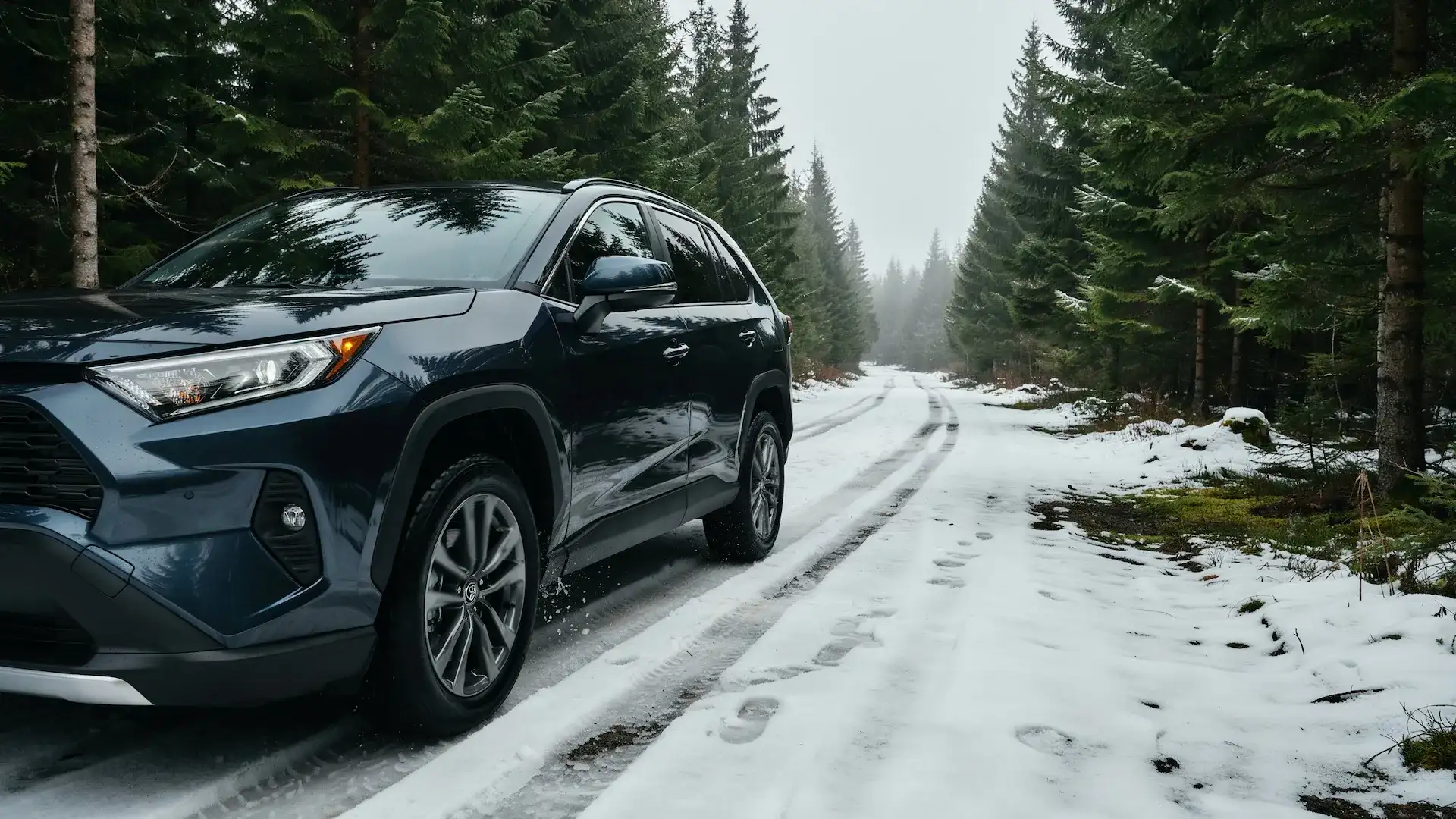
Key Takeaways
- Hybrids brake differently: Regenerative braking handles much of your slowing, so the friction brakes sit idle longer and can corrode or stick in salty slush.
- Caliper slide pins need grease: Fresh high-temperature brake lubricant keeps the calipers moving freely, which helps pads wear evenly and rotors stay true.
- Winter exposes neglected hardware: Lake-effect snow, brine, and freeze-thaw cycles speed up rust on pins, clips, and rotor surfaces.
- Early service costs less: Cleaning and lubricating hardware is a small job compared with replacing a seized caliper, rotor, or a pad set worn down on one side.
When a band of lake-effect snow rolls off Lake Erie, Cleveland Heights drivers get a quick lesson in how much a car’s brakes matter. Hills on Cedar Road, Fairmount Boulevard, and Mayfield Road turn slush into a real test, and the salty spray that follows coats everything under your vehicle. A caliper lubrication service is a modest maintenance cost, while a seized caliper that wears out a rotor and a set of pads can turn into a repair bill many times larger.
Why Lake Erie Winters Are So Hard on Brake Hardware
Northeast Ohio winters are not just cold, they are wet. Moisture from Lake Erie feeds repeated snow bands, and the temperature often hovers close to freezing, which means roads thaw and refreeze again and again. Road crews respond with rock salt and liquid brine, and the mixture clings to wheels, rotors, and calipers every time you drive through slush on Euclid Heights Boulevard or the I-271 corridor.
Brake hardware sits right in the path of that spray. Slide pins, pad clips, and caliper brackets are made of steel, and they depend on a thin film of grease to move smoothly. Salt and water wash that grease away over time and speed up corrosion, so the parts that are supposed to glide can begin to stick. The Toyota Cleveland Heights service center sees the results every season, from uneven pad wear to rust-bound hardware.
How Toyota Hybrid Brakes Are Different
Toyota hybrids such as the RAV4 Hybrid, Prius, Camry Hybrid, and Highlander Hybrid use regenerative braking. When you ease off the accelerator or press the brake pedal lightly, the electric motor acts as a generator, slowing the vehicle and sending energy back to the hybrid battery. This is excellent for fuel economy, and it also means the traditional friction brakes do less of the work in ordinary driving.
Less use is good for pad life, but it creates a different challenge. Brake components that are not exercised regularly are more likely to develop surface rust, and in winter that rust builds faster. A caliper that barely moves in daily driving can begin to bind on its slide pins, and a pad that does not release fully can drag and wear unevenly. The same is true for conventional gas RAV4 models that spend a lot of time on short, low-speed trips, because the brakes never get the hard use that helps keep hardware clean and free.
What Caliper Lubrication Actually Involves
Most disc brakes use a floating caliper that slides on two guide pins. When you press the pedal, hydraulic pressure pushes a piston that presses the inner pad against the rotor, and the caliper slides slightly to pull the outer pad into the rotor from the other side. For this to work evenly, the pins must move freely in their bores.
A proper caliper service goes beyond adding grease. A technician removes the wheels, takes the calipers off their brackets, and cleans the slide pins and bores of old lubricant, rust, and contamination. Corroded pad clips and hardware are replaced when needed, and the pins are lubricated with a high-temperature brake grease made for this job. The rubber boots that protect the pins are inspected as well, since a torn boot lets salty water in and defeats the whole point of the service. Finally, the pads, rotors, and piston operation are checked and the vehicle is road tested.
Because the details depend on your model year and brake design, follow the recommendations in your owner’s manual and consult Toyota’s official guidance at toyota.com for maintenance schedules. Your maintenance menu lists available brake services so you can plan the visit.
Warning Signs Your Calipers May Be Sticking
Brake hardware rarely fails without hints. Watch for these symptoms as the snow season arrives:
- The vehicle pulls to one side when you brake, which can mean one caliper is not releasing or applying evenly
- A burning smell or noticeable heat from one wheel after a drive, which can signal dragging brakes
- One wheel that looks dirtier from brake dust than the others
- Squealing, scraping, or clicking noises that were not there before
- Pads that show much more wear on one side or one axle than the other
- Reduced fuel economy or a vehicle that feels like it is working against itself
These signs call for a prompt inspection. A dragging caliper not only wastes fuel but also overheats the rotor and pad, and the damage grows with every mile.
How Uneven Pad Wear Starts a Chain Reaction
When a slide pin sticks, one pad can press harder than the other. The harder-working pad wears down faster, often leaving a tapered shape across its surface, and the rotor can develop uneven wear or heat damage on the side that is being dragged. Left alone, the problem moves from a simple hardware fix to a full pad and rotor replacement, and in advanced cases a new caliper.
There is a safety side as well. Uneven braking forces can make a vehicle pull or feel unstable on slick pavement, which is exactly when you need predictable stopping. That matters on the steep downhill streets of Cleveland Heights, where a vehicle with uneven braking can feel less secure on slush-covered pavement. Toyota’s driver assistance features, including those in the Toyota Safety Sense suite, depend on a brake system that responds consistently, so keeping the hardware in good shape supports the technology built around it.
Timing the Service Before the First Big Storm
The best time for caliper lubrication is before winter really settles in. Once the snow bands arrive and salt coats the roads for months, corrosion gets a head start, and appointments tend to fill up quickly after the first storm. Scheduling in late fall also gives your technician a chance to look at the entire brake system, including pad thickness, rotor condition, brake fluid, and hoses, while the weather is still manageable.
If your vehicle has not had its brake hardware serviced in a couple of winters, or if you notice any of the symptoms above, do not wait. Cleveland winters are long, and a brake system that is clean and moving freely will perform better through every storm. You can also review ToyotaCare coverage details and service tips through the service and parts tips page to understand what maintenance applies to your vehicle.
Winter Driving Habits That Protect Your Brakes
A few habits help your hardware last through the season. Rinse your wheels and undercarriage at a car wash when temperatures rise above freezing, since that removes salt before it can do lasting damage. Brake gently and early on slushy roads, which reduces sudden loads on the calipers and helps you keep control. Occasionally apply the brakes firmly, when conditions are safe, to help clear surface rust and moisture from the rotors, a habit that is especially useful for hybrids that rely on regenerative braking.
Check current road conditions before heading out in a storm. The OHGO traffic and weather site offers live cameras and road reports across Ohio, which makes it easier to decide when to travel and which routes to avoid.
What to Expect for Costs
Pricing varies by model, brake design, and what the inspection reveals, so the following explains how costs are typically structured rather than offering fixed quotes:
- Caliper cleaning and lubrication: A routine, relatively low-cost service that keeps slide pins moving and helps prevent uneven wear
- Hardware kit replacement: A small added cost when clips, pins, or boots are corroded or torn
- Pad replacement: A moderate repair needed when pads have worn unevenly or reached minimum thickness
- Pads and rotors together: Often the right choice when rotors show scoring, rust pitting, or heat damage, and priced higher because of the added parts and labor
- Caliper replacement: The largest brake hardware expense, usually only necessary when a piston or slide has seized beyond repair
The pattern is simple. Addressing the problem at the first line of that list is almost always less costly than waiting for the last one.
Get Ready Before the Snow Bands Arrive
Lake-effect season is coming whether the brakes are ready or not. A little preventive care keeps your Toyota hybrid or RAV4 stopping smoothly, evenly, and safely through every slushy commute. To have your calipers cleaned, lubricated, and inspected before the heavy snow, you can schedule service with Toyota Cleveland Heights, located at 2950 Mayfield Rd, Cleveland Heights, OH 44118, United States, and head into winter with confidence in every stop.
0 comment(s) so far on Lake-Effect Snow & Slush Prep: Why Toyota Hybrid & RAV4 Owners Need Brake Caliper Lubrication Every Winter