

Maximizing Your Toyota Hybrid’s Fuel Efficiency in Peak Summer Heat
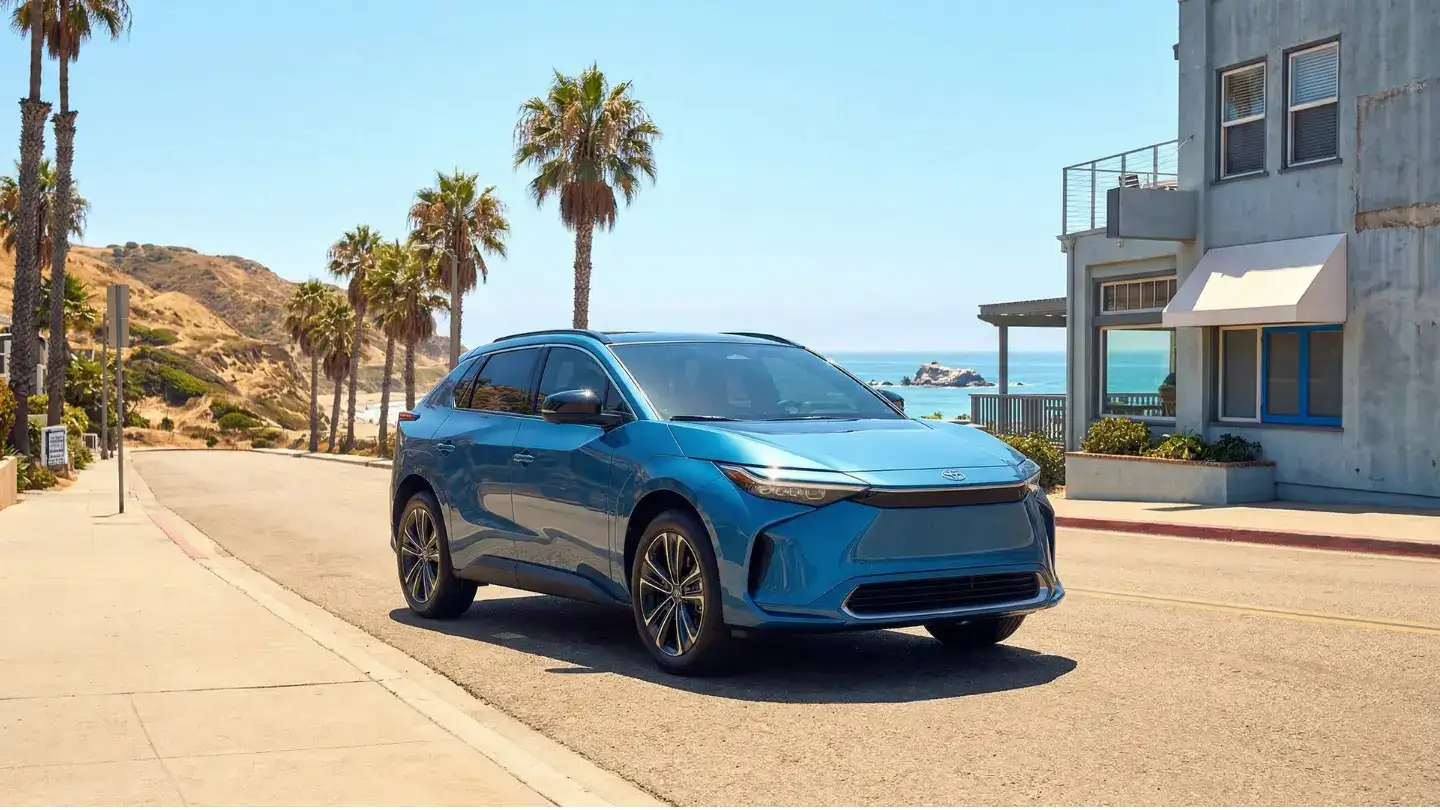
Cleveland Heights summers bring humidity, sun-baked traffic along Mayfield Road, and air conditioning use that runs from June straight through September. What a lot of hybrid owners don’t realize is that heavy AC use and hot pavement can quietly reduce fuel economy by a noticeable margin, and a quick efficiency check that costs little to nothing can help you catch the difference between getting 50 mpg out of your Prius and watching that number slide toward the low 40s without knowing why. A few adjustments to driving habits and a little attention to maintenance can help your hybrid hold onto the efficiency it’s known for, even in the thick of summer.
Hybrids like the Prius, Camry Hybrid, and RAV4 Hybrid are built around getting the most out of every drop of fuel, but the systems that make that possible, like the battery, the electric motor, and the gas engine working together, all respond differently to heat than they do to cooler spring or fall weather. Combine that with air conditioning demand and the stop and go traffic that’s common along Mayfield Road and Cedar Hill, and it’s easy for fuel economy to drift lower without an obvious cause.
Why Summer Heat Affects Hybrid Efficiency Differently
Hybrid systems are sensitive to temperature in ways that traditional gas engines aren’t, mostly because of how the battery and electric motor behave under heat.
- Air conditioning draws more power than most drivers expect. Running the AC on a 90 degree day pulls noticeably more energy than mild weather use, and that demand competes directly with the electric motor for power, which can push the gas engine to kick in more often than it would otherwise.
- Hybrid batteries perform best in a moderate temperature range. Extreme heat can reduce how efficiently the battery charges and discharges, which means the electric-only portion of your drive may shrink during the hottest parts of the day compared to a cooler morning commute.
- Stop and go traffic in heat compounds the issue. Idling in traffic on Mayfield Road during a summer afternoon means the AC is running constantly while the vehicle isn’t moving fast enough to take full advantage of regenerative braking or electric-only cruising.
- Hot pavement increases rolling resistance slightly. It’s a smaller factor than AC use or battery performance, but combined with everything else, it adds up over the course of a long, hot commute.
Renata Souza, a technician at our Cleveland Heights location, says she hears the same question from hybrid owners every July: why is my mileage dropping when nothing about my driving has changed? Most of the time, she says, it comes down to AC habits and tire pressure rather than anything mechanically wrong. She recommends a quick check-in once summer heat sets in, just to rule out anything beyond the usual seasonal dip.
What Affects Your Hybrid’s Summer Fuel Economy
A few specific factors tend to have the biggest impact on hybrid efficiency once the weather turns hot:
- Tire pressure. Underinflated tires increase rolling resistance and reduce fuel economy on any vehicle, but the effect is more noticeable on a hybrid that’s tuned for maximum efficiency. A pressure check is typically free or low cost, while a full tire replacement runs $400 to $700 for a set of four depending on the model.
- Cabin air filter condition. A clogged cabin filter makes your AC system work harder to push air through, which increases the load on the electric and gas systems alike. Replacement typically costs $30 to $60.
- Hybrid battery health. While most Toyota hybrid batteries are built to last well over 100,000 miles, age and heat exposure can gradually reduce capacity. A diagnostic check can confirm battery health if you’ve noticed a real drop in mileage rather than just normal seasonal variation.
- Engine air filter and overall maintenance status. A dirty engine air filter or overdue maintenance can reduce efficiency on the gas engine side, which matters more in summer when the gas engine already runs more often to support AC demand.
Driving Habits That Help in Summer Heat
Beyond maintenance, a few driving adjustments can help your hybrid hold onto better mileage through the hottest months:
- Use the AC’s eco or economy setting when available. Many Toyota hybrids offer a lower-power AC mode that sacrifices a small amount of cooling speed for meaningfully better efficiency.
- Park in shade or use a windshield shade when possible. A cooler cabin to start means less initial AC demand, which reduces strain on the system right when you start driving.
- Avoid idling with the AC running for long stretches. If you’re waiting to pick someone up, it’s more efficient to crack a window briefly than to run the AC at full blast while parked.
- Take advantage of regenerative braking in traffic. Smooth, gradual braking on Mayfield Road or Cedar Hill recaptures more energy back into the battery than hard, late braking does.
- Keep up with regular maintenance through the season. Oil changes, filter replacements, and tire rotations all play a role in keeping efficiency where it should be, and summer heat makes neglected maintenance show up faster than it would in milder weather.
Hybrids are built to handle a wide range of conditions well, and a Prius or RAV4 Hybrid that’s properly maintained should still deliver strong fuel economy even during a hot Cleveland Heights summer. The dip a lot of owners notice this time of year is usually smaller and more manageable than it seems, especially once AC habits and basic maintenance are dialed in.
If your hybrid’s mileage has felt off lately, or you just want to make sure everything’s running the way it should before the rest of summer settles in, stop by and let us take a look. The team at Toyota Cleveland Heights, located at 2950 Mayfield Rd, Cleveland Heights, OH 44118, can check your battery health, tires, and filters to help your hybrid get back to the efficiency it’s known for.
0 comment(s) so far on Maximizing Your Toyota Hybrid’s Fuel Efficiency in Peak Summer Heat