

Navigating Steep Cleveland Heights Grade Hills: Testing Your Toyota’s Brake Rotors for Warping
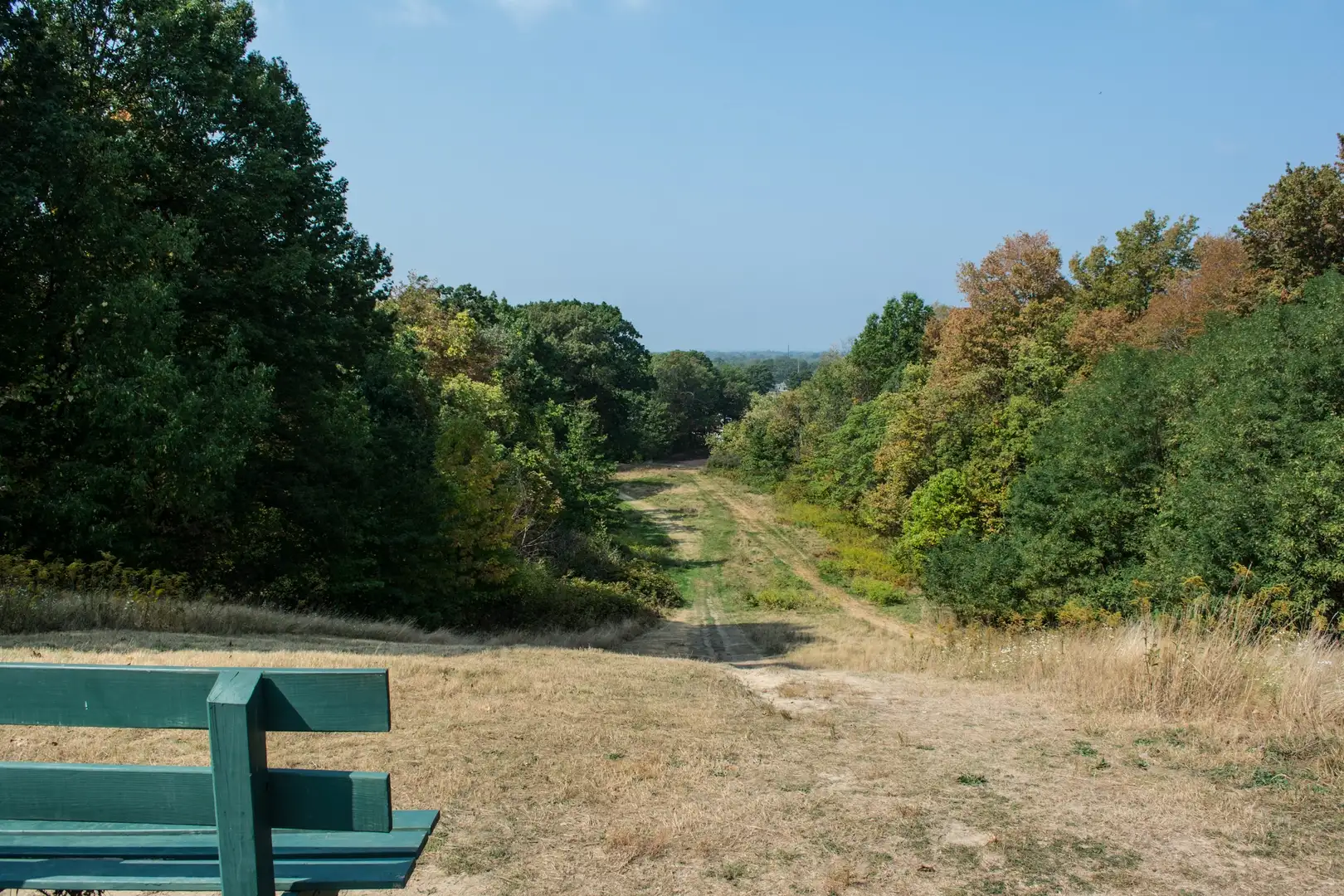
Cleveland Heights earned its name from the geography that defines it. The city sits at elevations approaching 1,050 feet, and the grades that climb from University Circle up Cedar Hill, from the Coventry neighborhood down toward South Euclid, and along the residential drops off Taylor and Fairmount are not gentle. For Toyota Camry, RAV4, Highlander, and Tacoma owners making those descents daily, sometimes loaded with passengers or cargo, the thermal demand on brake rotors is meaningfully higher than what flat-road driving produces, and the combination of repeated heat loading and Northeast Ohio’s calcium chloride road treatments creates a rotor wear environment that rewards inspection and punishes neglect.
Understanding what sustained hill braking actually does to a rotor, how to recognize the symptoms of warping before they affect stopping performance, and what a proper brake inspection covers gives Cleveland Heights Toyota owners a clear framework for staying ahead of the brake system’s most common and most preventable failure mode.
Why Hills and Rotors Have a Difficult Relationship
Brake rotors work by absorbing kinetic energy from the moving vehicle and converting it into heat through friction with the brake pads. That heat dissipates from the rotor surface into the surrounding air as the vehicle continues moving. Under normal stop-and-go conditions, each braking event is followed by enough driving time for the rotor to cool before the next demand arrives.
Descending a sustained grade changes that equation fundamentally. When a driver holds moderate brake pressure through a long downhill run, the rotors are absorbing heat continuously without the recovery time that flat-road braking provides. The front rotors, which handle the majority of braking force due to weight transfer under deceleration, are particularly vulnerable to thermal stress under these conditions.
Cleveland Heights terrain produces exactly this scenario on a daily basis. The descent from the Cedar-Fairmount neighborhood down Cedar Hill toward University Circle, the grades off Mayfield Road dropping toward the Hillcrest area, and the residential streets throughout the city’s rolling topography mean that local Toyota owners are asking more of their brake rotors per mile driven than drivers in flatter suburbs ever would. When Ohio winters add calcium chloride and road salt to those rotors every day from November through March, the combination of thermal cycling and chemical corrosion accelerates the timeline toward rotor problems significantly.
What Rotor Warping Actually Is
The term warping is used broadly to describe brake rotors that no longer provide smooth, even contact with the brake pads. The technical mechanism involves uneven material transfer from the brake pads to the rotor surface, and localized thermal distortion that creates high and low spots across the rotor face. Both produce the same result: the brake pads make inconsistent contact with the rotor surface as it rotates, generating the pulsation and vibration that drivers feel through the pedal and steering wheel.
Several factors accelerate this process on Cleveland Heights roads specifically:
- Sustained downhill braking that keeps rotors at elevated temperatures for extended periods, causing the pad material to deposit unevenly on the rotor surface and creating the thickness variation that produces pedal pulsation
- Rapid cooling after hot rotor conditions, particularly when a warm rotor encounters wet pavement or standing water from a Northeast Ohio rainstorm, which causes localized thermal shock that can distort the rotor metal unevenly across its face
- Road salt and calcium chloride exposure, which Northeast Ohio auto repair shops consistently identify as more corrosive than standard sodium chloride and which accelerates surface pitting on rotors that are already under thermal stress from hill driving
- Pothole impacts throughout Cleveland Heights streets, which can introduce subtle runout at the wheel hub that shows up weeks later as pedal pulsation during braking
Recognizing the Symptoms
Warped or unevenly worn rotors communicate through specific, recognizable sensations that are distinct from other brake system problems. Cleveland Heights Toyota owners should pay particular attention to:
A rhythmic pulsation felt through the brake pedal when slowing from highway or moderate speeds is the primary symptom of rotor surface variation. The pulse frequency increases with vehicle speed and decreases as the vehicle slows, tracking with wheel rotation rather than occurring at random intervals. This distinguishes rotor warping from brake pad glazing or caliper issues, which produce different pedal behaviors.
Steering wheel vibration during braking that is not present when the vehicle is coasting points specifically to the front rotors. The front axle handles a disproportionate share of braking force, and front rotor distortion transmits directly to the steering system through the wheel hub and suspension geometry. On the grades off Cedar Road and along Mayfield toward Coventry, where front brake load is highest on descent, this symptom often appears first under exactly those conditions.
A burning smell after descending a steep grade, particularly after the vehicle has been stopped at the bottom, indicates the rotors reached a temperature that is causing pad material to transfer unevenly and potentially beginning to cause thermal distortion. This smell is distinct from the faint brake dust odor that is normal and should prompt a brake inspection before the next significant descent.
Morning grinding that fades after a few brake applications is typically surface rust rather than rotor damage in an Ohio winter context. Cleveland averages over 60 inches of snow annually, and rotors left stationary overnight in damp, salted air develop a light rust film that makes a brief grinding sound until the pads clear it. This is generally normal. Grinding that persists beyond the first few stops, or that is accompanied by pedal pulsation, warrants a professional inspection rather than a wait-and-see approach.
Resurfacing vs. Replacement
When rotor inspection confirms surface variation beyond Toyota’s specified tolerance, the service decision involves either resurfacing the existing rotors or replacing them outright. The distinction matters for Cleveland Heights owners because of how Ohio road conditions affect rotor material over time.
Resurfacing removes a thin layer of material from the rotor face to restore a flat, even surface. It is a legitimate service when the rotor has sufficient remaining thickness above Toyota’s minimum discard specification. The limitation is that a resurfaced rotor has less thermal mass than a full-thickness rotor, making it more susceptible to the same heat-induced distortion under the sustained downhill braking demands that caused the problem initially. A rotor that is near minimum thickness after resurfacing may return to a warped condition faster than a new rotor would under the same Cleveland Heights driving conditions.
Replacement restores the rotor to full factory thickness and full thermal capacity. Toyota service guidance generally recommends replacing both rotors on the same axle simultaneously and installing new brake pads at the same time to ensure proper bedding of the new surfaces together. Brake rotor replacement on a Toyota, including pads, typically runs between $300 and $600 per axle depending on the model, with the Tacoma and Highlander on the higher end of that range due to rotor size and the vehicle’s weight class.
Brake Fluid and the Thermal Picture
Rotor condition is one part of the braking system’s thermal story in a hill-driving environment. Brake fluid is another. Brake fluid is hygroscopic, meaning it absorbs moisture from the air over time, and as its water content rises, its boiling point drops. A driver descending Cedar Hill repeatedly with brake fluid that has absorbed significant moisture risks vapor lock, a condition where the fluid partially vaporizes under heavy brake application, dramatically reducing pedal pressure and stopping ability.
Toyota’s brake fluid service interval is typically every two to three years. For Cleveland Heights Toyota owners making regular steep-grade descents, particularly in a vehicle that sees Ohio winters and the moisture that comes with them, staying current on brake fluid is not optional maintenance. The service is straightforward and inexpensive relative to the braking system repairs that follow compromised fluid over time.
A Practical Brake Inspection Schedule for Cleveland Heights
Given the specific demands of the local terrain and the Northeast Ohio corrosion environment, a practical brake inspection approach for Cleveland Heights Toyota owners includes:
- A full brake system inspection annually, ideally in the fall before salt season, covering rotor thickness and runout measurement, pad thickness across all four corners, caliper slide pin condition, and brake fluid moisture content
- An additional inspection in spring after salt season ends, when a winter’s worth of calcium chloride exposure has had the most opportunity to affect rotor surfaces, caliper hardware, and brake line condition
- Immediate inspection after any episode of brake fade, burning smell, or new pedal pulsation that appears following a steep-grade descent, rather than waiting for the next scheduled service
The factory-trained service team at Toyota Cleveland Heights, located at 2950 Mayfield Rd, Cleveland Heights, OH 44118, performs complete brake system inspections using Toyota-specific measurement tools and genuine Toyota parts. Schedule your brake inspection and make sure your stopping system is ready for everything the Heights puts in front of it.
0 comment(s) so far on Navigating Steep Cleveland Heights Grade Hills: Testing Your Toyota’s Brake Rotors for Warping