

Protecting Your New Toyota Land Cruiser from Northeast Ohio Rust
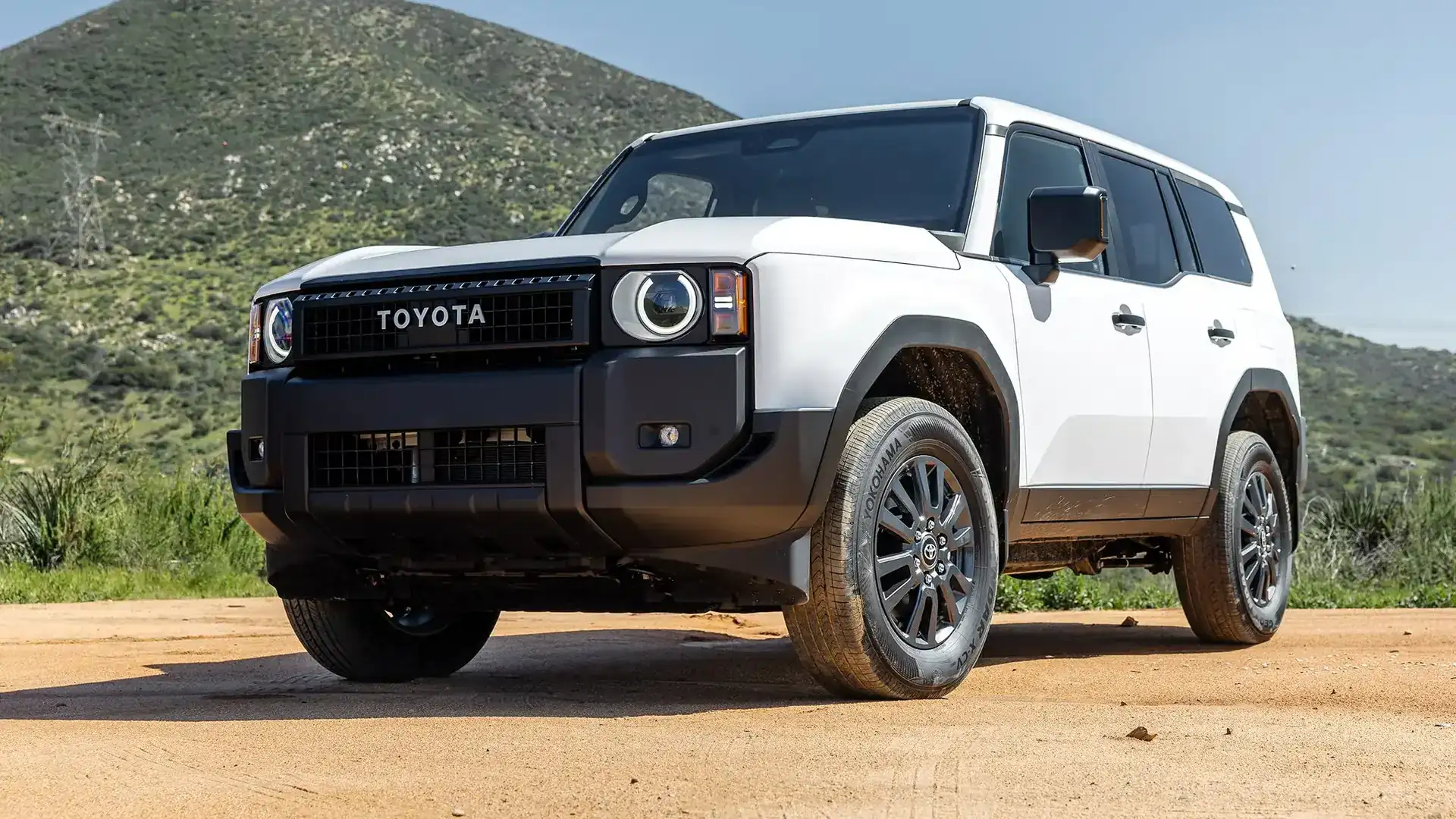
Buying a new Toyota Land Cruiser is one of the more deliberate vehicle purchases a driver can make. It’s a statement about longevity, capability, and the expectation that the truck will still be running strong a decade from now. But in Northeast Ohio, that long-term investment is under a slow, invisible attack from the moment winter arrives, and the drivers who protect it from the start are the ones who still have a pristine Land Cruiser ten years later.
Ohio is squarely in what automotive experts call the Salt Belt, the stretch of northern states where road salt is applied so heavily and so consistently each winter that vehicles can show significant corrosion in as little as three to five years of consistent exposure. Salt Belt vehicles rust three to five times faster than comparable vehicles driven in southern or western states, and the combination of salt, moisture, and Northeast Ohio’s constant freeze-thaw cycling creates conditions that accelerate corrosion far beyond what simple winter cold would produce on its own.
Why the Land Cruiser Deserves Specific Attention
The new Land Cruiser, which returned to the U.S. market for 2024 after years away, is built on body-on-frame construction. That platform is part of what gives the Land Cruiser its legendary capability, its towing capacity, and its long-term durability compared to unibody crossovers. It’s also the reason rust protection matters more for this vehicle than it would for a lighter crossover.
Body-on-frame trucks expose significantly more metal surface to road spray than unibody vehicles. The steel frame rails, crossmembers, suspension mounting points, and underbody components are exposed to road brine from below on every winter drive. Frame-rail interiors are partially enclosed, which traps salt, dirt, and moisture in areas that are nearly impossible to clean thoroughly without deliberate effort. That trapped material doesn’t rinse away on its own when winter ends. Salt is hygroscopic, meaning it actively pulls moisture from the surrounding air even on dry days, keeping metal surfaces damp and the corrosion process active long past the last snowfall of the season.
Toyota does include five-year, unlimited-mileage corrosion protection in the Land Cruiser’s warranty coverage. That warranty matters, but it works alongside proper maintenance, not instead of it. Protecting the frame and undercarriage proactively is what makes the Land Cruiser’s inherent toughness last.
Where Rust Starts on a Body-on-Frame Toyota
Understanding the most vulnerable areas helps Land Cruiser owners know where to focus during inspections and what a quality undercarriage wash actually needs to reach.
The most common trouble spots on body-on-frame Toyotas in salt-belt climates include:
- The undercarriage and frame rails, which receive the heaviest direct exposure to road brine kicked up by all four tires; partially enclosed sections of the frame trap salt and moisture inside where they’re hardest to rinse
- Brake lines and fuel lines, which run exposed along the underside of the vehicle and are particularly vulnerable to corrosion in salt-heavy environments; brake line failure from road-salt corrosion has been documented in older Toyota trucks driven in northern states
- Wheel wells, which trap compacted salt, dirt, and slush against sheet metal that’s constantly exposed to splash from the tires
- Suspension components and fasteners, including control arms, joints, and the hardware that holds them together; corroded fasteners become a service problem later, making routine maintenance like brake work and alignment significantly more difficult and expensive
- Door sills, frames, and tailgate seams, where water and road spray linger through repeated freeze-thaw cycles
None of these areas are unique to the Land Cruiser. They’re the same locations that take the most abuse on any body-on-frame truck driven in Ohio. What makes them worth addressing on a new Land Cruiser is the straightforward math: protecting these areas from the first winter is dramatically cheaper than addressing corrosion damage after it’s established.
The First-Winter Window Matters Most
The most effective rust protection happens before corrosion has any foothold. A new Land Cruiser arriving at a Cleveland Heights driveway has clean, unoxidized metal throughout the undercarriage. That’s the ideal time to apply a professional undercoating, and the window to do it well is short.
Professional undercoating applied to factory-fresh metal creates a physical barrier between exposed steel and road brine. Once corrosion has begun, protective coatings can slow or arrest the process, but they can’t reverse metal loss that’s already occurred. Getting the truck in for undercoating before its first Ohio winter is the most cost-effective rust protection decision a new Land Cruiser owner can make.
Beyond initial application, annual or bi-annual re-treatment maintains coverage as the protective layer weathers from road exposure, especially on the undercarriage where road debris constantly abrades the coating.
Winter Washing Is Maintenance, Not a Luxury
Even with undercoating applied, keeping road salt off the vehicle through regular washing during the winter months is one of the highest-return habits a Northeast Ohio Land Cruiser owner can develop. Salt begins its corrosive work quickly after contact. Washing the vehicle after significant snowfall or salting events, before salt has time to dry and accumulate, removes the material before it can do sustained damage.
The critical element most drivers overlook is the undercarriage wash. A standard drive-through car wash may clean body panels but leave the frame, wheel wells, and underbody coated in salt slush. Choosing a wash facility that includes a dedicated undercarriage rinse is what actually addresses the rust risk. Wheel wells specifically require attention, as packed salt and ice against the inner fender can hold moisture against the metal for days or weeks between washes.
Once winter breaks in the spring, a thorough undercarriage cleaning removes the accumulated salt from the full season before it continues working through the warmer months. This spring wash is worth treating as a scheduled maintenance item, not an afterthought.
Regular Undercarriage Inspections Keep Small Problems Small
Catching early rust before it advances is far less expensive than addressing established corrosion. During routine service visits, a visual undercarriage inspection lets technicians identify areas where protective coating has worn away, where surface rust is beginning, and where any structural components need attention before the damage deepens.
On a body-on-frame vehicle like the Land Cruiser, the frame and its mounting points are structural. Corrosion that reaches load-bearing steel, suspension mounts, or towing hardware isn’t just a cosmetic problem; it compromises the vehicle’s integrity and creates safety concerns under load. Identifying and addressing those areas while they’re still surface issues is the difference between a touch-up and a major repair.
Addressing any paint chips, scratches, or body damage promptly closes the entry points that salt uses to get under protective coatings and attack metal directly. Small damage left unrepaired becomes an accelerated rust site through every subsequent winter.
Keeping Your Land Cruiser’s Value Intact
A well-maintained Land Cruiser holds its value exceptionally well. The model has one of the strongest long-term value retention records in the truck segment, and its reputation for durability is a core part of that. A Cleveland Heights Land Cruiser with clean undercarriage documentation, consistent winter washing history, and professional undercoating treatments tells a clear story to any future buyer or appraiser. One that’s been driven through five Ohio winters without deliberate rust protection tells a different story.
The service team at Toyota Cleveland Heights is familiar with what Northeast Ohio winters demand from a body-on-frame truck and equipped to help Land Cruiser owners build a protection plan from the first year of ownership. Schedule your undercoating consultation or routine service appointment at 2950 Mayfield Rd, Cleveland Heights, OH 44118, and protect the investment you made in one of Toyota’s most capable vehicles from the ground up.
0 comment(s) so far on Protecting Your New Toyota Land Cruiser from Northeast Ohio Rust