

Tacoma and 4Runner 4WD Maintenance: Transfer Case and Differential Fluid Basics
Key Takeaways
- Sealed doesn’t mean maintenance-free. Transfer case and differential fluid breaks down from heat cycling and gear wear even without a dipstick to warn you.
- Winter 4WD use accelerates wear. Cleveland Heights drivers who engage 4WD regularly for snow put real load on components many assume never need attention.
- Cost gap is significant. Routine fluid service runs $80 to $340 depending on scope, while a failed differential can run into the thousands.
- Symptoms show up late. Whining, grinding, or clunking during 4WD engagement usually means wear has already progressed past a simple fluid change.
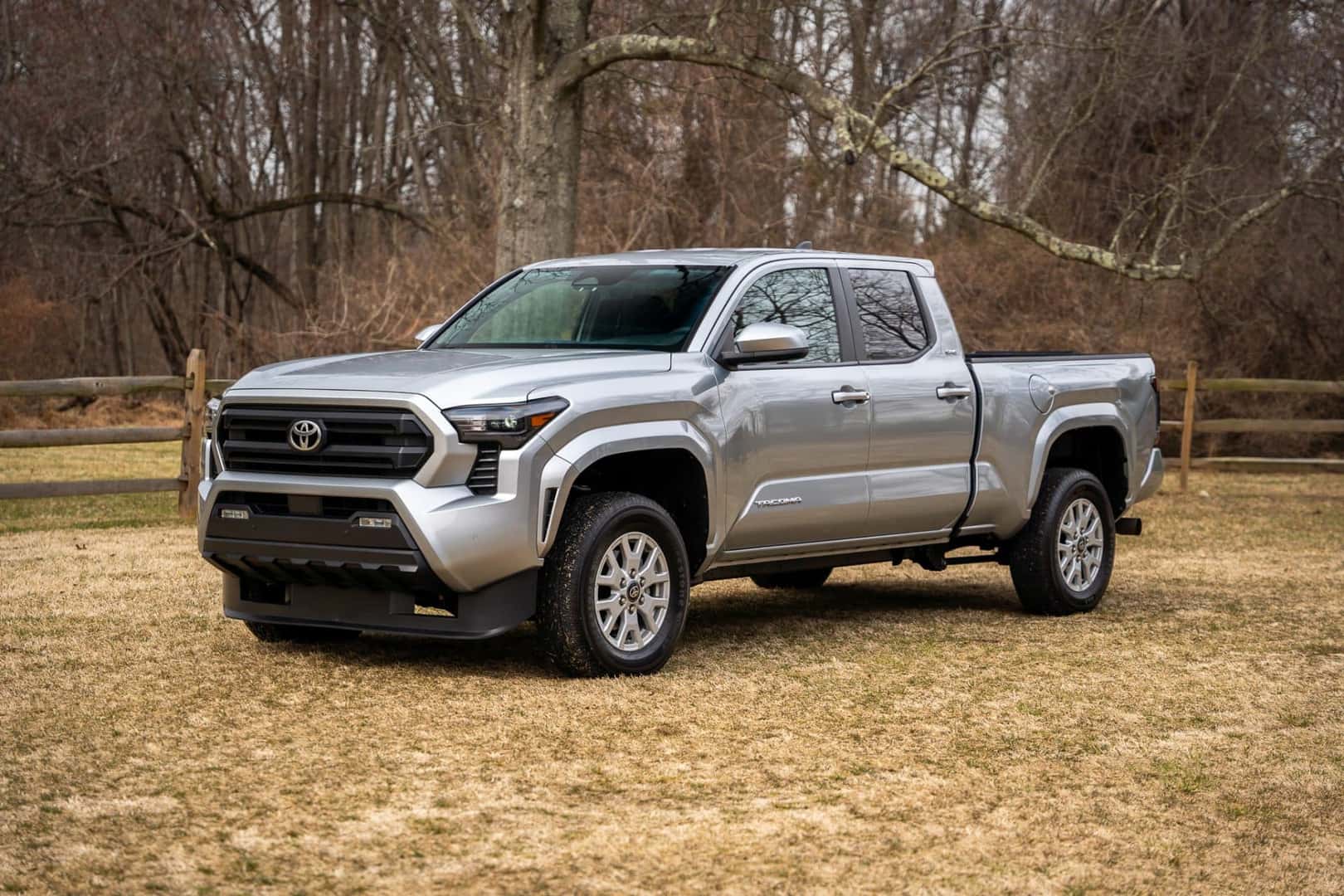
Most Tacoma and 4Runner owners know to change their engine oil on schedule, but far fewer think about the transfer case and differentials until something starts making noise. A transfer case and differential fluid service typically runs $150 to $250, while a neglected differential that fails can mean a repair bill well into the thousands. These are sealed, low-maintenance components by design, but low-maintenance doesn’t mean maintenance-free, and that distinction matters most for drivers who actually use the 4WD system the way Toyota built it to be used.
Understanding the Two Systems
The transfer case and the differentials serve related but distinct purposes in a Tacoma or 4Runner’s 4WD system. The transfer case splits power between the front and rear axles, allowing the vehicle to shift between two-wheel drive, four-wheel drive high range, and four-wheel drive low range depending on conditions. The front and rear differentials, meanwhile, allow the wheels on each axle to spin at different speeds during turns while still transmitting power evenly. Both systems rely on gear oil, a heavier, more viscous fluid than engine oil, formulated to withstand the extreme pressure and heat generated by gears meshing under load.
Unlike engine oil, this fluid isn’t burned or consumed, and it doesn’t degrade primarily from oxidation the way engine oil does. Instead, it breaks down from heat cycling, metal shavings generated by normal gear wear, and, in vehicles that see water crossings or heavy rain exposure, potential moisture contamination. Because the systems are sealed, there’s no dipstick check most drivers perform between services, which means the fluid can be well past its useful life before any driving symptom appears.
Why This Matters More for Actual 4WD Use
A Tacoma or 4Runner that spends its life on pavement in two-wheel drive puts comparatively little stress on the transfer case and front differential, since the front axle isn’t engaged under normal driving. But a vehicle that regularly sees 4WD engagement, whether for winter driving through Cleveland Heights’ hillier neighborhoods around Cedar Fairmount or for genuine off-road use, puts real load on components that many owners assume are maintenance-free simply because they rarely think about them.
Renata Souza, one of the technicians in the Toyota Cleveland Heights service department, notes that Northeast Ohio’s winter driving season is exactly the kind of use case that accelerates wear on these components without owners realizing it. Regular 4WD engagement during snow events on routes like Cedar Road and the hillier stretches near Forest Hill Park means the front differential and transfer case are seeing meaningfully more use in a Cleveland winter than they would in a warmer, flatter climate where 4WD rarely gets engaged at all.
What a Transfer Case and Differential Service Actually Involves
- Fluid drain and inspection. The old gear oil is drained and visually inspected for metal shavings, discoloration, or a burnt smell, all of which can indicate how much wear has already occurred inside the unit before the new fluid goes in.
- Magnetic drain plug cleaning. Most transfer cases and differentials use a magnetic drain plug designed to catch fine metal particles generated by normal gear wear, and cleaning this plug is a simple but often-skipped step that prevents those particles from immediately recontaminating fresh fluid.
- Correct fluid specification and fill. Toyota specifies particular gear oil viscosities and, in some cases, limited-slip differential additives for these components, and using the wrong specification can affect differential clutch pack performance over time.
- Seal and gasket check. Technicians check the drain and fill plug seals, along with the differential cover gasket where applicable, since a slow leak here can lead to low fluid levels that go unnoticed for a long stretch given the lack of a routine dipstick check.
Cost Breakdown for 4WD Drivetrain Service in Cleveland Heights
- Rear differential fluid service only: Typically runs $80 to $130, since this is the simpler of the two differential services on most 4WD Tacoma and 4Runner configurations.
- Front differential and transfer case fluid service: Usually falls between $150 and $250 when both components are serviced together, which is the more common recommendation for vehicles that regularly use 4WD.
- Full drivetrain service (front differential, rear differential, and transfer case): Generally runs $220 to $340 depending on labor time and whether limited-slip additive is required.
- Deferred cost (differential failure from neglected fluid): A failed differential requiring internal component replacement or a full unit swap runs substantially higher than the service that would have prevented it.
Signs the Fluid Is Overdue
Marcus Webb, another technician at the Cleveland Heights location, describes the early warning signs of differential or transfer case wear as easy to miss because they develop gradually. A faint whining noise at certain speeds, a slight grinding sensation when shifting between 2WD and 4WD, or a clunk when engaging 4WD low are all worth paying attention to rather than dismissing as normal drivetrain noise. “Once a customer tells me they’ve heard a whine for a few months and figured it was just how the truck sounds, that’s usually fluid that’s overdue by a wide margin,” Webb has noted about the pattern he sees in vehicles coming in for this service. By the time symptoms are noticeable to the driver, the internal wear has often already progressed further than a fluid change alone can fully address.
Toyota’s Recommended Intervals
Toyota’s maintenance schedule for the Tacoma and 4Runner typically calls for differential and transfer case fluid inspection or replacement in the range of every 30,000 to 60,000 miles, though vehicles used regularly for towing, off-roading, or water crossings often benefit from more frequent service than the standard interval assumes. Because these are severe-duty conditions in Toyota’s own terminology, owners who use their trucks the way they were designed to be used should generally lean toward the shorter end of that interval rather than the longer one.
A Component Worth Not Forgetting
Given how infrequently these fluids need attention, it’s easy to let years pass without a service that most owners never even think to schedule proactively. For Tacoma and 4Runner owners in the Cleveland Heights area who actually put the 4WD system to work through winter weather or off-road use, staying ahead of the interval is a relatively small investment against the much larger cost of a differential or transfer case repair down the line.
If it’s been a while since your transfer case or differentials have been serviced, or you’ve noticed any unusual noise when engaging 4WD, the team at Toyota Cleveland Heights, located at 2950 Mayfield Rd, Cleveland Heights, OH 44118, can check the fluid condition and get your drivetrain ready for whatever the next Cleveland winter throws at it.
0 comment(s) so far on Tacoma and 4Runner 4WD Maintenance: Transfer Case and Differential Fluid Basics