

Tacoma Spring Maintenance Before Work & Adventure Season
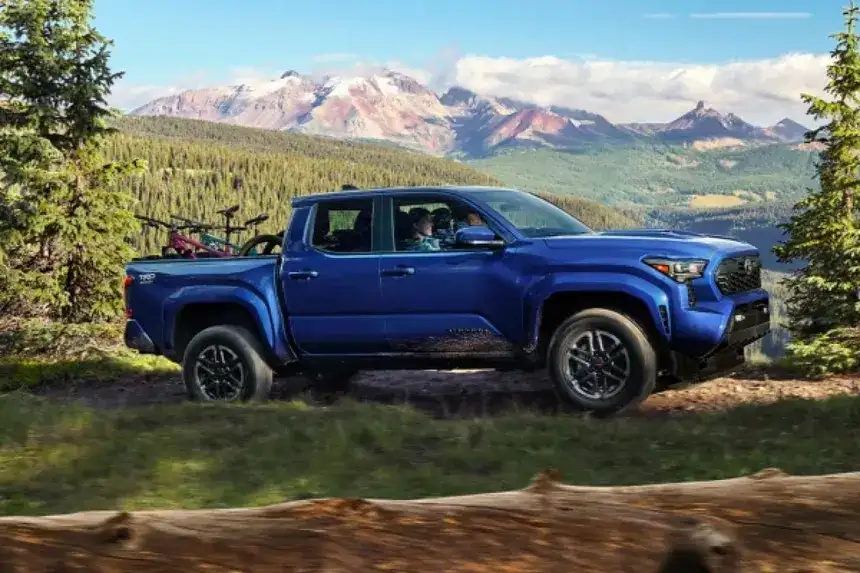
Last April, a 2022 Tacoma broke down on a remote trail in Wayne National Forest with a seized wheel bearing after the owner skipped spring maintenance. They’d driven through an entire Ohio winter of road salt and moisture without post-winter inspection or undercarriage cleaning. The wheel bearing, contaminated and corroded from winter exposure, failed 30 miles from the nearest paved road. The tow out of the forest cost $850, and the bearing replacement cost $480. The spring inspection that would have caught the developing problem? $125.
Spring marks the beginning of work and adventure season for Cleveland Heights area Tacoma owners. Construction projects ramp up, landscaping work begins, camping and off-road trails open, and weekend getaways to Cuyahoga Valley National Park and beyond become regular activities. Your Toyota Tacoma transitions from winter commuting mode to heavy-duty work truck and adventure vehicle, often within the same week.
This seasonal shift in how you use your Tacoma demands specific preparation that goes beyond routine oil changes. The winter salt exposure, potential winter damage, and upcoming demands of towing, payload, off-road use, and extended trips all require inspection and service to ensure reliability when you’re miles from help or in the middle of a critical project.
Many Tacoma owners simply drive harder come spring without considering that their truck needs preparation for this increased demand. The result is preventable failures during the worst possible times: stuck on a trail with a failed component, broken down with a loaded trailer, or unable to complete a job because of mechanical problems.
If you’re planning to use your Tacoma for work around Cleveland Heights, weekend trips to the Allegheny National Forest, off-road adventures in Wayne National Forest, or towing boats to Lake Erie, understanding what spring maintenance actually protects you from prevents the expensive and inconvenient failures we see every year.
Understanding the Winter-to-Adventure Transition
Your Tacoma faced three to four months of Ohio winter challenges: road salt exposure, freeze-thaw cycles, cold-start stress, and potentially lighter use than it will see during spring and summer. This transition creates specific service needs.
Winter salt corrosion affects brake components, suspension parts, drivetrain components, and the frame itself. This corrosion doesn’t magically disappear when winter ends. Without cleaning and inspection, it continues degrading components throughout spring and summer.
Reduced winter use for many Tacoma owners means the truck sat more than it will during work and adventure season. Fluids that were adequate for light winter use may need service before heavy spring and summer demands.
Component stress changes dramatically from light winter commuting to heavy spring work. Towing landscaping trailers, carrying maximum payload in the bed, or navigating rough off-road trails stresses components far beyond what winter driving demanded.
Systems neglected during winter because they weren’t needed (air conditioning, 4WD components if you stayed on pavement, bed accessories) now need attention before they’re required for spring and summer use.
The owner with the failed wheel bearing had been driving their Tacoma gently through winter on salted Cleveland Heights roads. The bearing developed slight contamination and corrosion from salt and moisture exposure. Light winter use didn’t stress the compromised bearing enough to cause obvious symptoms. When they loaded the truck for an off-road camping trip and hit rough forest trails, the weakened bearing failed catastrophically, leaving them stranded miles from help.
“Spring is when Tacoma owners go from ‘I drive a truck’ to ‘I use a truck,’ and that change requires preparation,” says Robert Williams, Master Technician at our Mayfield Road location. “The customers who schedule spring maintenance before they start towing, loading, and adventuring rarely have problems. The ones who just start using their truck hard after minimal winter maintenance are the ones calling us from campsites, job sites, or trails with preventable failures. An hour of spring inspection and service prevents days of inconvenience and hundreds or thousands in emergency repairs and towing.”
Comprehensive Spring Inspection Checklist
Spring maintenance starts with thorough inspection identifying winter damage and upcoming service needs before you start demanding work from your Tacoma.
Undercarriage and Frame Inspection
Remove accumulated road salt through professional undercarriage cleaning including high-pressure washing of:
- Frame rails and crossmembers
- Suspension components and mounts
- Differential housings and driveshaft
- Exhaust system and heat shields
- Brake lines and fuel lines
- Skid plates and underbody panels
The cleaning service costs $125-175 and removes corrosive salt before it causes permanent damage. For trucks seeing off-road use, add rust inhibitor application (additional $95-140) to protect exposed metal.
Frame inspection identifies developing rust or damage, particularly critical on older Tacomas (2005-2015 models had frame rust issues, though most were addressed through recalls). Look for:
- Surface rust progression on frame rails
- Perforation or significant thinning in crossmembers
- Damage from winter impacts with ice chunks or road debris
- Loose or damaged frame-mounted components
Suspension component inspection catches winter damage from salt exposure or potholes:
- Ball joint play or torn boots
- Tie rod end wear or damaged boots
- Control arm bushing deterioration
- Shock and strut leakage or damage
- Spring condition and mounting integrity
Brake line inspection identifies corrosion from salt exposure before lines fail. Steel brake lines corrode quickly in Ohio winters. Catching surface corrosion allows protective coating application. Waiting until lines leak requires emergency replacement.
Drivetrain Service Needs
Differential fluid inspection and service is critical before towing or off-road season. The rear differential (and front differential on 4WD models) endured winter cold and potential moisture contamination. If you plan to tow or use 4WD extensively this spring and summer, differential service ensures reliability.
Differential fluid service costs $165-195 per differential. We recommend service at 30,000-40,000 miles for trucks seeing regular towing, off-road use, or other severe service conditions. Trucks used only for light commuting can extend to 60,000 miles.
Transfer case service (4WD models) should occur at 30,000-40,000 miles for trucks regularly using 4WD. The service costs $145-185.
Transmission fluid inspection verifies condition before towing season. Manual transmission fluid service costs $145-175 at 60,000-90,000 miles. Automatic transmission service costs $280-350 at 60,000-100,000 miles depending on transmission type and whether you follow severe service intervals.
CV joint and axle boot inspection identifies tears or damage before moisture enters and destroys the joint. Boot replacement costs $150-220 per side. CV joint/axle replacement costs $450-650 per side if the joint is already damaged.
Brake System Evaluation
Brake component inspection and cleaning removes winter salt and verifies readiness for towing and heavy loads. Spring brake service should include:
- Caliper slide pin cleaning and lubrication
- Brake hardware inspection and replacement if corroded
- Rotor condition assessment for pitting or excessive rust
- Brake line inspection for corrosion
- Parking brake cable and mechanism inspection
- Brake fluid testing for moisture content
Brake cleaning service costs $140-165 per axle. Brake fluid service costs $165-195.
Brake pad thickness matters more before towing season. Pads that seem adequate for normal driving may be marginal for towing heavy loads. Replace pads below 4mm thickness before towing season. Front brake service costs $400-550, rear service costs $350-500.
Brake controller testing (if equipped for trailer braking) ensures proper function before you load a trailer. Verify the controller activates, adjusts sensitivity properly, and shows no error codes.
Tire and Wheel Assessment
Tire tread depth should be at least 6/32″ for off-road use, 5/32″ minimum for towing, and 4/32″ minimum for general use. Tires with borderline depth in spring should be replaced before summer adventures when you need maximum traction and puncture resistance.
Tire age matters regardless of tread depth. Tires over 6-7 years old should be replaced even with adequate tread, as rubber compounds degrade from age and UV exposure. Check the DOT date code on the sidewall.
Wheel bearing inspection identifies developing play or noise before bearings fail on trails or roads. Failed wheel bearings while towing or off-road create dangerous situations. Bearing replacement costs $350-480 per wheel.
Wheel inspection identifies cracks, bends, or damage from winter potholes. Damaged wheels can fail catastrophically, particularly under off-road stress or heavy loads.
Tire rotation if not done in winter should occur before summer. The service costs $50-65 and extends tire life while ensuring even wear for towing and off-road traction.
Wheel alignment check prevents uneven tire wear and ensures stable towing. The service costs $140-180 and should occur if you hit significant potholes during winter or notice pulling to one side.
A construction contractor from Shaker Heights loaded their Tacoma with tools and materials for a spring job site without spring inspection. Descending a steep driveway, the left front wheel bearing (which had been developing play from winter salt corrosion) seized completely, locking the wheel. The sudden stop damaged the CV joint and hub assembly. What should have been a $380 bearing replacement during spring service became $950 in emergency repairs plus a day of lost work waiting for parts and service.
Engine and Cooling System Preparation
Spring marks increasing temperatures and engine loads from towing and loaded operation, making cooling system readiness critical.
Coolant System Service
Coolant concentration testing ensures proper heat transfer and freeze protection. The standard 50/50 mix provides optimal performance. Test and adjust if needed before summer heat.
Pressure testing identifies leaks before they cause roadside overheating. Small leaks that don’t show symptoms during light winter use can cause failures under summer towing loads. The test costs $85-110.
Radiator cleaning removes winter debris, salt spray residue, and accumulated contamination. External radiator cleaning costs $65-95 and prevents overheating during heavy use.
Hose and clamp inspection catches deteriorating hoses before they burst. Hoses show age through surface cracking, softness, or bulging. Replace any questionable hoses before towing or adventure season. Hose replacement costs $80-150 depending on which hose fails. Emergency roadside hose failure can cause severe engine damage.
Thermostat operation verification ensures proper temperature regulation. The thermostat costs $180-240 if replacement is needed.
Engine Service Needs
Oil change with proper viscosity prepares the engine for summer heat and heavy loads. Most Tacomas require 0W-20 or 5W-30 synthetic oil. The service costs $65-85.
Oil change intervals should follow severe service: 5,000 miles or 6 months for trucks seeing towing, off-road use, dusty conditions, or frequent short trips. These conditions all apply to most Tacomas during work and adventure season.
Air filter replacement ensures unrestricted airflow, critical when the engine operates at higher loads during towing or climbing mountain roads. The filter costs $40-55 installed.
Spark plug inspection at 60,000-90,000 miles depending on engine. The V6 requires more expensive service at $280-380 than the four-cylinder at $200-280.
Fuel system cleaning at 60,000-90,000 miles removes deposits that reduce power and efficiency. The service costs $145-195.
Air Conditioning Testing
AC performance verification before summer ensures cooling works when you need it most, particularly important for extended trips or work sites.
Refrigerant charge testing identifies leaks or low charge before summer heat. Low refrigerant causes the compressor to work harder and potentially fail. AC service costs $145-195 for refrigerant recharge, $280-450 for leak repair depending on location.
Cabin air filter replacement improves AC efficiency and air quality. The filter costs $40-55 installed and should be replaced every 15,000-20,000 miles.
Bed and Towing Equipment Service
The Tacoma’s bed and towing equipment transition from minimal winter use to heavy spring and summer demands.
Bed Inspection and Preparation
Bed liner condition assessment identifies damage requiring repair before loading heavy materials that could worsen damage. Spray-in bedliners can chip or crack. Drop-in liners can trap moisture causing rust underneath.
Bed mounting bolt inspection ensures the bed is securely attached to the frame. Loose bed mounts create handling problems and potential separation.
Tie-down anchor inspection verifies anchors are secure and functional before loading cargo. Failed tie-downs during transport create dangerous situations.
Bed drain plug verification ensures water can drain from the bed rather than accumulating and causing rust.
Towing Equipment Verification
Hitch receiver inspection identifies rust, damage, or loose mounting. The hitch must be solidly attached to the frame to safely tow.
Wiring harness testing ensures trailer lights function properly. Test all functions: brake lights, turn signals, running lights, and reverse lights. Trailer wiring issues cause citations and create safety hazards.
Brake controller calibration (if equipped) should be tested and adjusted for your specific trailer weight. Improper calibration causes inadequate trailer braking or excessive brake lock-up.
Weight distribution hitch inspection (if used for heavy trailers) verifies all components are present, functional, and properly adjusted.
4WD System Service and Testing
For 4WD Tacomas, spring preparation includes verifying the 4WD system functions properly before you need it on trails or in work situations.
4WD Component Service
Transfer case fluid service at recommended intervals ensures reliable 4WD engagement. The service costs $145-185.
Front differential service (4WD only) costs $165-195 and should occur at severe service intervals if you regularly use 4WD.
Front hub and actuator inspection identifies engagement problems before you discover them stuck on a trail. The hubs should engage and disengage smoothly without grinding or delay.
4WD System Testing
Test 4WD engagement in a safe area before you need it. Verify:
- 4HI engages smoothly and disengages properly
- 4LO engages and provides expected crawling power
- No unusual noises during engagement or operation
- Dashboard indicators function correctly
- No binding or resistance during turns in 4HI
Front differential lock testing (if equipped with locking differential) ensures the locker engages when needed.
A photographer from Cleveland Heights discovered their Tacoma’s 4WD wouldn’t engage during a spring trip to photograph waterfalls on muddy forest service roads. The front axle actuator had corroded from winter salt exposure and seized. What should have been caught during spring inspection became an aborted photography trip and a $380 actuator replacement that could have been prevented with proper cleaning and lubrication.
Off-Road Preparation Specific Items
For Tacomas seeing off-road use, additional preparation prevents trail breakdowns.
Skid plate installation or inspection ensures undercarriage protection is secure and undamaged. Loose skid plates can catch on obstacles and cause damage.
Recovery equipment verification includes checking:
- Recovery points are secure and undamaged
- Recovery straps/chains are in good condition
- Tow hooks are properly installed and tight
- Tools and equipment are present and functional
Suspension travel and articulation check identifies binding or damaged components that limit suspension movement off-road.
Differential breather inspection ensures moisture can’t enter differentials during water crossings or dusty conditions.
Real Cost Comparison: Preventive vs Emergency Service
Comprehensive spring preparation:
- Undercarriage cleaning and rust treatment: $265
- Brake cleaning service (both axles): $330
- Differential service (front and rear, 4WD): $360
- Oil change and air filter: $105
- Coolant system pressure test: $95
- Tire rotation and inspection: $65
- General inspection: $125
- Total preventive cost: $1,345
Emergency repairs from skipped spring maintenance:
- Wheel bearing failure on trail + extraction tow: $1,330
- Differential failure from contaminated fluid: $2,200
- Caliper seizure from salt corrosion: $680
- Radiator hose failure and towing: $325
- Total reactive costs: $4,535 for just these common failures
Your savings with preventive spring maintenance: $3,190 plus avoided trip cancellations, work delays, and safety risks
Pre-Adventure and Pre-Work Checklists
Before any significant adventure trip or work project, perform or have performed:
Two weeks before:
- Complete all scheduled maintenance
- Address any check engine lights or warning messages
- Test all systems (4WD, AC, lights, etc.)
- Inspect and inflate spare tire
- Verify recovery equipment is present
One week before:
- Top off all fluids
- Verify tire pressure including spare
- Test trailer connections if towing
- Charge portable jump starter
- Assemble emergency supplies
Day before:
- Final tire pressure check
- Visual inspection for leaks or damage
- Verify cargo is properly secured
- Load emergency equipment
- Review route and identify service facilities along the way
Warning Signs Requiring Immediate Attention
Unusual noises from suspension, drivetrain, or brakes indicate developing problems. Address these before they fail during heavy use.
Fluid leaks of any kind deserve investigation. Small leaks become major failures under heavy use.
Vibrations at highway speeds can indicate tire, wheel, or driveline problems requiring immediate diagnosis.
Dashboard warning lights should never be ignored, particularly before towing or off-road use.
Reduced performance including power loss, poor acceleration, or difficulty maintaining speed suggests engine or transmission problems.
Your 30-Day Spring Preparation Plan
This week: Review your maintenance records and identify services due or overdue. Schedule comprehensive spring inspection appointment for 2-3 weeks out (service centers book heavily in spring). Remove winter emergency equipment from the bed and clean out accumulated winter debris. Inspect visually for obvious damage, rust, or issues you can identify yourself.
Within two weeks: Complete scheduled spring inspection and address any identified issues immediately. Don’t defer problems thinking “I’ll fix that before I need the truck.” You need the truck now. If major repairs are needed, get them done before work or adventure season begins. Test all systems yourself: 4WD engagement, AC cooling, trailer lights (if applicable), and bed accessories.
By month’s end: Complete all needed repairs and services. Stock your truck with emergency equipment appropriate for your planned use: recovery gear for off-road trips, extra tools for work sites, first aid and emergency supplies for remote adventures. Create a checklist for your specific use (work, towing, off-road) and verify everything is ready. Plan your first few trips or projects, identifying any additional preparation needed for specific activities.
The Value of Professional vs DIY Preparation
Professional spring inspection provides experienced eyes identifying problems you might miss. Technicians spot developing issues daily and know what to look for. The $125 inspection cost prevents far more expensive surprises.
DIY maintenance works well for some tasks:
- Tire pressure checks
- Visual inspections
- Fluid level checks
- Basic cleaning
Professional service is recommended for:
- Undercarriage inspection and cleaning
- Brake system service
- Differential and transfer case service
- Suspension component inspection
- Diagnostic work for warning lights
The combination of professional inspection with DIY monitoring provides the best value and reliability.
Schedule Your Tacoma Spring Preparation Today
That Tacoma owner from the opening whose wheel bearing failed on a remote trail learned an expensive lesson about the value of spring preparation. After the $1,330 extraction and repair, they now schedule comprehensive spring service every April before adventure season begins. They’re now at 98,000 miles with zero additional adventure-related breakdowns, having caught and prevented multiple issues during annual spring inspections.
Spring marks the transition from winter storage to active use for most Tacomas. Whether you’re using your truck for work, adventure, or both, preparation prevents the failures that ruin trips, delay projects, and cost far more than preventive maintenance.
Our certified Toyota technicians at 2950 Mayfield Road understand how Cleveland Heights area Tacoma owners use their trucks and what spring preparation actually needs to include. We’ve developed spring service packages specifically for work trucks and adventure vehicles.
Schedule your Tacoma spring maintenance today by calling our service department or booking online at Toyota Cleveland Heights, 2950 Mayfield Rd, Cleveland Heights, OH 44118. Whether your Tacoma faces work sites, trails, or both this season, we’ll ensure it’s ready for whatever demands you place on it.
Proper spring preparation maximizes reliability, prevents breakdowns during critical moments, and ensures your Tacoma delivers the capability you depend on. That’s the confidence proper preparation delivers.
0 comment(s) so far on Tacoma Spring Maintenance Before Work & Adventure Season