

Toyota Hybrid Battery & Brake Maintenance: Maximizing MPG for Greater Cleveland Drivers
Key Takeaways
- Hybrid battery health protects fuel economy: A well-cared-for hybrid system lets your car use electric power more often, which is where the best MPG comes from.
- Regenerative braking changes brake wear: Hybrids save pads, but Ohio salt and moisture can still corrode rotors, calipers, and slide pins when brakes are used lightly.
- Cleveland winters cut MPG: Cold air, lake-effect snow, and winter blend fuel all reduce efficiency, so smart habits matter more from November through March.
- Simple checks go a long way: Tire pressure, clear battery cooling vents, and timely brake service keep your hybrid efficient and reliable.
Hybrid owners across Greater Cleveland chose their Toyota to spend less at the pump, and for good reason. But a hybrid that is not maintained can quietly lose some of that advantage, and the repairs that come with neglect can be steep. A hybrid system check, a brake inspection, and a tire pressure adjustment cost a small fraction of what you will pay for a seized caliper, rotor replacement, or a major hybrid system repair. The good news is that Toyota hybrids are built to last, and a little attention to the battery, brakes, and driving habits keeps your MPG high through every Northeast Ohio season.
How Your Toyota Hybrid System Saves Fuel
A Toyota hybrid pairs a gas engine with one or more electric motors and a high-voltage battery. The system decides moment to moment whether to use electric power, gas power, or both. At low speeds, in traffic, and while coasting, the electric motor often does the work, and that is where hybrids shine around town. When you slow down, the motor works in reverse and captures energy that would otherwise be lost as heat, sending it back to the battery.
This is why a hybrid can get excellent mileage in the stop-and-go driving common along Mayfield Road, Cedar Road, and Lee Road. It is also why battery condition matters so much. A healthy battery can accept and deliver power efficiently, while a weakened one forces the gas engine to run more often. For official efficiency ratings and tips on getting the best mileage, FuelEconomy.gov is a reliable resource.
Caring for the Hybrid Battery
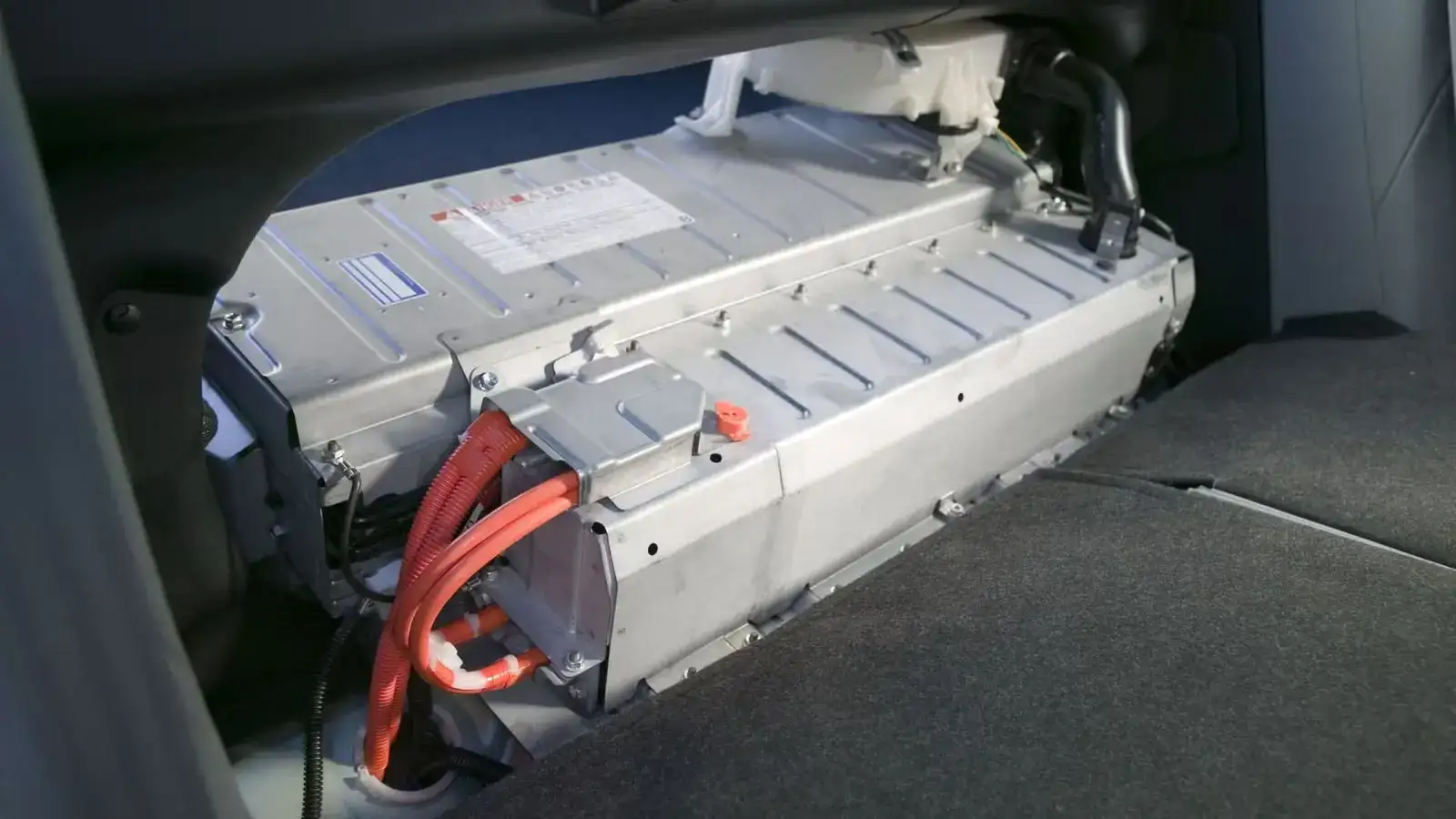
The high-voltage hybrid battery is designed to last for many years, and Toyota backs it with a dedicated warranty on covered models. Check your warranty booklet for the exact terms for your vehicle. Even with a long-lasting battery, a few habits help it stay healthy.
Heat is the biggest enemy of battery life, so the battery has its own cooling system with an intake vent, usually located near the rear seat area. Keep this vent clear of blankets, bags, pet hair, and cargo, because blocked airflow makes the battery work harder. On models with a cooling filter, it should be cleaned or replaced as recommended in your owner’s manual. Avoid letting the vehicle sit unused for long stretches, because both the hybrid battery and the separate 12-volt auxiliary battery can lose charge over time. That small 12-volt battery powers the computers that start the hybrid system, so a weak one can leave you stuck even when the large battery is fine.
Warning Signs Your Hybrid System Needs Attention
Hybrid systems usually provide clues before a serious problem develops. Keep an eye out for these changes:
- A noticeable drop in MPG that does not match the season or your driving habits
- The gas engine running more often than it used to, especially at low speeds
- A hybrid system warning light or a message on the dash display
- Slow starting or a “Ready” indicator that takes longer to appear
- A cooling fan that sounds louder than normal or runs constantly
- A battery charge gauge that swings quickly or behaves erratically
If you see any of these, schedule a diagnostic visit. Early detection often means a simpler repair, and a technician can check hybrid system data that is invisible to most drivers.
Why Hybrid Brakes Still Need Attention
Regenerative braking means the electric motor does much of the slowing in everyday driving, so the friction brakes do less work. That is good news for pad life, and many hybrid owners go a long time between pad replacements. But less use creates a different problem in Northeast Ohio.
Road salt and moisture are tough on exposed metal. When brakes are used lightly, the rotors may not get the regular, firm contact that cleans off surface rust. Calipers and slide pins can also seize or stick, leading to uneven pad wear, pulling, or a dragging brake that hurts MPG. Because of the way Cleveland winters treat metal, it is wise to have the brakes inspected at least once a year, and to follow the schedule in your owner’s manual for brake fluid, which absorbs moisture over time. If you drive the steeper streets around Cleveland Heights, Cedar Hill, or Coventry, firm and well-maintained friction brakes are still essential when you need to stop quickly.
Winter and Your MPG
Every driver in Greater Cleveland knows winter takes a toll on fuel economy, and hybrids are no exception. Cold temperatures reduce battery efficiency, so the system leans more on the gas engine. The engine also runs more often to provide cabin heat, and denser cold air increases aerodynamic drag. Winter fuel blends and snow-covered roads add further resistance.
You cannot change the weather, but you can limit the impact. Check tire pressure monthly, since pressure drops as temperatures fall and underinflated tires waste fuel. Clear heavy snow from the roof and hood before driving. Combine errands so the system warms up once rather than several times. Limit long idling, drive smoothly, and brake gently so regenerative braking can capture as much energy as possible. If you use winter tires, remember that they can slightly lower MPG, but their traction benefits are worth it on lake-effect days.
Maintenance That Keeps Efficiency High
Efficiency is not just about the battery and brakes. Tires, oil, filters, and alignment all play a part. Low tire pressure, worn tread, and misalignment from potholes increase rolling resistance, and Cleveland’s freeze and thaw cycles produce plenty of potholes. Clean engine oil of the correct grade helps the gas engine run efficiently, and a clogged engine air filter or cabin filter affects performance and comfort.
You can see recommended work for your model on the Toyota Cleveland Heights service center page, and review routine items on the online maintenance menu. For new vehicles, ToyotaCare covers scheduled maintenance for a set period, so check your coverage details and keep service visits on time.
Driving Habits That Stretch Every Gallon
Technique matters as much as maintenance. Accelerate gently so the electric motor can contribute for as long as possible, and look ahead so you can coast to a stop instead of braking late. Heavy acceleration forces the gas engine to engage and burns more fuel. Highway speeds also matter, since aerodynamic drag grows quickly as speed rises, so easing off a few miles per hour on I-90 or I-271 can pay off at the pump.
Use the energy monitor in your display as a coaching tool. It shows when the system is charging, using electric power, or relying on the engine, and watching it can teach you how to drive in a way the hybrid likes. Remove roof racks and unneeded cargo when you are not using them, and lighten the load in the trunk, since extra weight and drag both cost fuel.
What Maintenance Costs vs. What Neglect Costs
Prices vary by model, parts, and labor, so treat these as general comparisons and ask for an estimate before any work begins.
- Tire pressure check and rotation: A small, routine cost that protects MPG and extends tire life.
- Hybrid system inspection: A modest diagnostic charge that can catch cooling, battery, or software issues early.
- Brake inspection and cleaning: A low to moderate cost that frees sticking slide pins and prevents uneven wear.
- Brake fluid service: A moderate cost that protects the system from moisture and corrosion.
- Rotor and caliper replacement: A higher cost that often results from corrosion and seized components after years of salt exposure.
- Hybrid battery replacement: One of the largest repair costs on a hybrid, which makes early detection and warranty awareness especially valuable.
The pattern holds true here as it does with any vehicle. Small, scheduled services protect the components that are far more expensive to replace, and they keep your efficiency where you want it.
Keep Your Toyota Hybrid Efficient in Every Season
A Toyota hybrid is one of the smartest ways to handle Northeast Ohio driving, and it rewards owners who stay ahead of maintenance. Keep the battery vent clear, have the brakes checked for salt damage, watch your tire pressure, and pay attention to any changes in mileage or warning lights. When you are ready to take care of it, you can book a visit through Schedule Service and let the team at Toyota Cleveland Heights, located at 2950 Mayfield Rd, Cleveland Heights, OH 44118, United States help keep your hybrid running efficiently for years to come.
0 comment(s) so far on Toyota Hybrid Battery & Brake Maintenance: Maximizing MPG for Greater Cleveland Drivers