

Toyota Hybrid Battery Health: What Cleveland Heights Owners Should Expect Long-Term
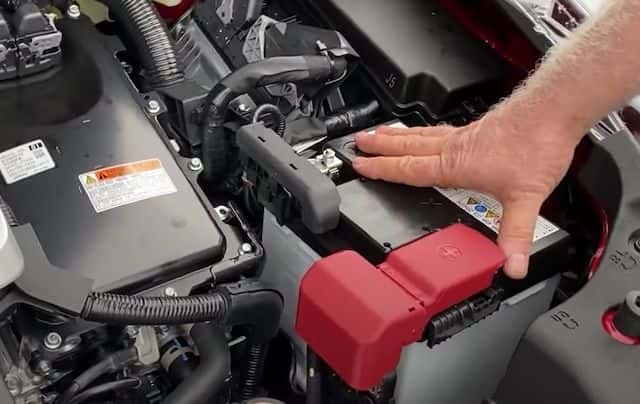
A Toyota hybrid battery is one of the more durable components in any modern vehicle, but it’s also one of the least understood. Most owners know it’s there and that it’s important, but few have a clear picture of what to expect from it over the long haul, and the difference between a hybrid battery that’s properly maintained and monitored and one that’s quietly degrading without intervention can be the difference between a $0 repair and a $3,000 to $4,500 battery replacement that arrives without much warning. Knowing what affects hybrid battery health, what normal degradation looks like, and when to pay attention makes long-term hybrid ownership a lot less uncertain.
Toyota’s hybrid system has one of the strongest reliability track records in the industry. Prius batteries routinely exceed 150,000 miles, and there are well-documented cases of original hybrid batteries lasting 200,000 miles and beyond with proper care. That durability is real, but it doesn’t mean the battery is maintenance-free or that degradation isn’t happening in the background. Understanding what’s normal, what’s not, and what actually influences how long a hybrid battery lasts gives Cleveland Heights owners a much clearer picture of what they’re working with.
What Actually Affects Hybrid Battery Longevity
Hybrid battery lifespan isn’t random. Several specific factors have a meaningful influence on how long a battery performs at full capacity, and most of them are within the owner’s control.
Temperature extremes are the biggest environmental factor, and Cleveland Heights winters are genuinely hard on hybrid batteries. Repeated deep cold exposure reduces the battery’s ability to accept and deliver charge efficiently, while sustained summer heat accelerates the chemical degradation that happens inside every battery cell over time. Neither extreme is avoidable in northeast Ohio, but keeping the vehicle garaged when possible, particularly during the coldest and hottest stretches of the year, reduces the cumulative stress meaningfully.
Charge cycling habits matter more than most owners realize. Toyota’s hybrid system is designed to keep the battery operating in a middle range of charge rather than charging to full or depleting to empty, which is one of the main reasons these batteries last as long as they do. Frequent short trips that don’t allow the system to complete normal charge cycles, combined with extended periods of sitting unused, can gradually affect how efficiently the battery manages that range over time. Oil change intervals on the gas engine matter here too, since a gas engine running on degraded oil works harder, generates more heat, and places more demand on the hybrid system to compensate. Keeping the gas engine properly maintained reduces the load on the battery and electric motor during the driving cycles where the hybrid system is doing the most work.
Software and system updates play a larger role than most owners expect. Toyota periodically releases updates that optimize how the hybrid management system controls battery charging and discharge, and a vehicle that’s been kept current on dealer-applied updates may manage battery cycling more efficiently than one that hasn’t. That difference adds up meaningfully over years of ownership.
What Normal Degradation Looks Like vs. What Warrants Attention
All hybrid batteries degrade over time, and some capacity loss is entirely normal. The question is distinguishing between expected gradual decline and something that warrants a closer look.
A modest reduction in all-electric range and slightly lower fuel economy over many years is normal. A Prius that averaged 52 mpg when new might average 48 to 50 mpg at 120,000 miles with no intervention needed. That kind of gradual decline is built into the system’s design and doesn’t indicate a problem. What does warrant attention is a sudden or noticeable change over a short period: the gas engine kicking in more frequently than usual during low-speed driving where the electric motor typically handles things, a visible drop in mpg over weeks rather than years, or the battery charge gauge behaving differently than it used to. Those are signals worth bringing in rather than monitoring and hoping they stabilize on their own.
A battery warning light or hybrid system warning is never something to defer. Unlike some dashboard alerts that can be monitored briefly, a hybrid battery warning typically indicates the system has detected a cell imbalance or capacity issue that needs diagnosis before it compounds into something more serious.
Marcus Webb, a master technician at our Cleveland Heights location, is straightforward about what he sees on the service drive. “Honestly, most of the hybrid battery problems we deal with could have been caught earlier. People see their fuel economy drop a little and assume it’s just the weather or how they’ve been driving. Sometimes that’s true. But sometimes it’s the battery telling you something, and by the time they come in, what could have been a module replacement turns into a full pack conversation. I always tell people: if something feels different about how the car is driving, don’t wait six months to mention it. Come in and let us check it. A diagnostic is a lot cheaper than a new battery.”
The Real Cost Difference Between Early Attention and Late Intervention
This is where the numbers make the case more clearly than anything else.
Hybrid battery issue caught early through proactive monitoring:
- Hybrid system diagnostic to identify cell imbalance: $100 to $150
- Individual module replacement rather than full pack: $500 to $900
- Software recalibration after module replacement: $0 to $100
- Total with early intervention: $600 to $1,150
Same issue ignored until full battery failure:
- Full hybrid battery pack replacement: $3,000 to $4,500 depending on model
- Labor for full pack removal and installation: included in above estimate
- Additional diagnosis if electric motor or inverter sustained damage from running on a failing pack: $200 to $500
- Total after full failure: $3,200 to $5,000
The difference between those two outcomes often comes down to whether a gradual symptom was brought in when it first appeared or monitored until the system flagged a full failure. Individual cell modules are a fraction of the cost of a full battery pack, and the window where that repair is available closes once enough cells in the pack have degraded past the point where individual module replacement is practical.
What Cleveland Heights Hybrid Owners Should Keep in Mind
A few habits go a long way toward getting the most out of a hybrid battery over the long haul:
- Schedule a hybrid battery health check every 30,000 miles or every three years. A diagnostic check measures individual cell voltages and identifies any cells falling behind the rest of the pack before they cause a broader system issue. This kind of proactive monitoring is what separates hybrid owners who get 200,000 miles out of an original battery from those who face a full replacement at 130,000.
- Don’t let the vehicle sit unused for extended periods without starting it. Hybrid batteries self-discharge slowly when the vehicle isn’t being driven, and extended periods of sitting, particularly in cold Cleveland Heights winters, can cause cell imbalances that are harder to correct the longer they’re allowed to develop.
- Ask about Toyota’s hybrid battery warranty coverage at your next service visit. Depending on the model year and trim level, Toyota’s hybrid battery warranty extends to 10 years or 150,000 miles in many configurations, and understanding exactly what’s covered is worth confirming rather than assuming.
Toyota hybrid batteries are genuinely durable, and the track record across hundreds of thousands of vehicles over more than two decades backs that up. But durable doesn’t mean invincible, and the owners who get the most out of their hybrid batteries are almost always the ones who understood what affects longevity, paid attention to early signals, and didn’t wait for a full system warning before bringing the car in.
If it’s been a while since your hybrid battery was checked, or you’ve noticed any changes in fuel economy or system behavior, stop by and let us take a look. The team at Toyota Cleveland Heights, located at 2950 Mayfield Rd, Cleveland Heights, OH 44118, can run a full hybrid battery diagnostic and give you a clear picture of where your battery stands and what to expect going forward.
0 comment(s) so far on Toyota Hybrid Battery Health: What Cleveland Heights Owners Should Expect Long-Term