

Why January Is the Perfect Time for a Toyota Multi-Point Inspection
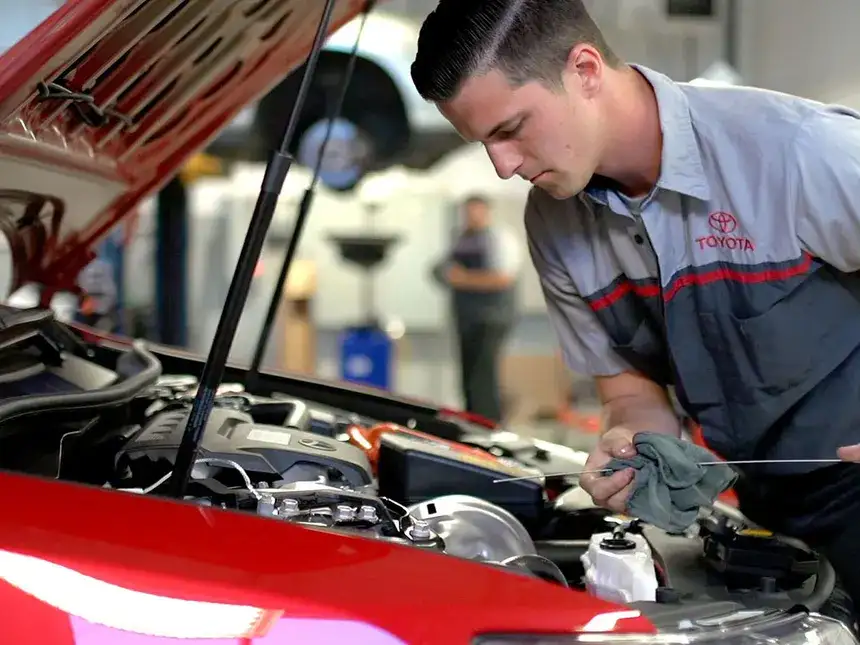
Last February, a 2018 Camry owner experienced a complete brake failure while driving on snowy roads near University Circle. During the emergency inspection, we found brake lines that had corroded through from three winters of road salt exposure that were only weeks away from failure. Had they scheduled our comprehensive January inspection, we would have caught the corroded lines before they failed. The emergency towing, brake line replacement during urgent service, and near-accident trauma cost $1,840. A routine January inspection? Would have identified the brake line corrosion for $680 scheduled repair with no emergency.
If you’re driving a Toyota around Cleveland Heights, January might seem like an odd time to think about vehicle service. The holidays are over, budgets are tight, and it’s cold outside. But January is actually the ideal month for comprehensive inspection that reveals your Toyota’s true condition and prevents breakdowns throughout 2026.
Winter conditions stress every system in your vehicle, revealing problems that moderate weather masks. Cold starts test your battery’s actual capacity. Icy roads expose marginal tire tread. Road salt accelerates corrosion that becomes visible after weeks of exposure. Heating systems show their weaknesses. January inspection catches these issues when they’re developing, not after they cause failures during the year ahead.
This matters especially in Cleveland Heights, where Ohio winters create the harshest conditions your Toyota experiences all year. Understanding what January inspections reveal and why this timing benefits you helps you start 2026 with a vehicle that’s genuinely ready for reliable transportation through all seasons.
What Winter Conditions Reveal About Your Toyota
January sits in the middle of Ohio’s harshest winter weather, creating conditions that expose vehicle problems better than any other time of year. Understanding what winter reveals helps you recognize why this timing provides maximum inspection value.
Battery condition shows its true state during cold January mornings. A battery that starts easily in September might struggle in January when temperatures drop to single digits or below zero. Chemical reactions inside batteries slow dramatically in cold weather, reducing available power exactly when cold engine oil requires more power to crank.
During January inspection, load testing reveals your battery’s actual capacity under stress. A battery testing at 65% capacity in warm weather might provide adequate starts, but that same battery fails reliably below 20 degrees. January testing catches marginal batteries before they leave you stranded on a freezing morning when you most need reliable transportation.
“January inspections catch more developing problems than any other month,” says Jennifer Martinez, Service Manager at our Mayfield Road location. “Winter is brutally honest about vehicle condition. A cooling system that seemed fine in October shows leaks in January. Tires that looked adequate in summer prove insufficient on ice. Batteries that tested ‘okay’ in fall won’t start in January cold. Everything that’s been gradually wearing for months suddenly becomes obvious in winter conditions.”
Cooling system issues become apparent during winter despite seeming counterintuitive. Leaking water pumps, deteriorating hoses, and weak coolant all show symptoms in cold weather. Small leaks that evaporated quickly in summer leave visible puddles when ambient temperatures prevent rapid evaporation. Coolant that’s lost protective properties fails to prevent freezing in extreme cold, creating ice formation that damages engine components.
Pressure testing during January inspection reveals leaks too small to create obvious symptoms but large enough to cause problems. Identifying a seeping water pump or cracked hose during inspection prevents the overheating that occurs when these components fail completely, often during the first hot days of summer when you’re least prepared for cooling system problems.
Tire tread condition becomes critically obvious on ice and snow. Tires that seemed adequate in dry conditions prove dangerously insufficient when traction matters most. January inspection measures exact tread depth and evaluates whether your tires provide safe winter traction or risk accidents from hydroplaning on slush and ice.
The combination of worn tread and cold temperatures that harden rubber compounds creates minimal grip on winter roads. Tires at 4/32-inch tread depth might be legal but unsafe for Ohio winter conditions. January inspection identifies inadequate tires before they cause accidents, not after you’ve already experienced frightening loss of control.
Heating and defrost systems show their true capability during January cold. A heater that “works fine” in November might struggle to maintain comfortable temperatures when outside air drops below 10 degrees. Defroster systems that barely keep windshields clear in moderate weather fail completely in extreme cold with heavy frost.
Climate control system inspection verifies adequate heating capacity, proper airflow, and functioning defroster operation under actual winter conditions. Identifying weak heating or restricted airflow during January allows repair before you’re driving with inadequate defrost that compromises visibility and safety.
A Corolla owner came to us last January after their defroster couldn’t keep their windshield clear during morning commutes. During inspection, we found the cabin air filter completely clogged with debris, restricting airflow by 60%. The filter was three years old and had never been replaced. Filter replacement cost $45 and immediately restored full defrost capability. Had they waited until summer to address the “weak airflow,” they’d have spent months with compromised visibility during the most dangerous driving season.
Brake system condition reveals itself through winter operation. Cold weather affects brake fluid, pad material, and rotor surfaces differently than warm conditions. Brake fluid with moisture contamination shows reduced effectiveness in cold as lower temperatures affect hydraulic pressure. Marginal brake pads that seemed adequate in fall barely provide stopping power on icy roads where maximum braking is essential.
Road salt exposure accelerates brake line corrosion, and January inspection catches deteriorating lines before they fail. Corroded brake lines don’t fail gradually. They suddenly perforate, causing immediate brake failure. Winter inspection identifies corrosion in time for preventive replacement rather than emergency repair after failure.
The Strategic Timing Benefits of January Service
Beyond what winter reveals about condition, January timing provides strategic advantages that make this the optimal month for comprehensive inspection and maintenance.
Post-holiday budget reset means many families have more financial flexibility in January than during December’s holiday spending. Tax refund anticipation also makes January service more manageable, knowing refunds will arrive within 6-8 weeks to replenish funds used for vehicle maintenance.
Scheduling major service in January allows you to use holiday gift money or annual bonuses specifically for vehicle care. This dedicated funding makes comprehensive service more palatable than trying to fit it into regular monthly budgets during expensive holiday months.
Service center availability is significantly better in January than during spring and summer peak seasons. Fewer customers schedule service during cold winter months, meaning more available appointments, shorter wait times, and less rushed service. Technicians have more time to perform thorough inspections rather than rushing through appointments to meet demand.
This additional available time means you can schedule inspection and any needed repairs during the same visit or within a few days rather than waiting weeks for appointments during busy seasons. The convenience of flexible scheduling makes January service more practical for customers with demanding work schedules.
Pre-spring preparation through January service ensures your Toyota is ready when weather improves and you want to resume activities that winter postponed. Addressing issues in January means repairs are complete before spring road trips, outdoor adventures, and increased driving that typically begins in March and April.
Discovering needed repairs during April inspection often means scrambling to complete service before planned activities. January discovery provides months to schedule repairs around your calendar without pressure or rush fees. This preparation time reduces stress and ensures your vehicle is genuinely ready when you need it most. 🔍
Preventive cost savings are maximized when issues are caught early during winter inspection rather than waiting until they cause failures during the year. Components showing early wear in January can be scheduled for convenient replacement. Waiting until spring or summer means those same components fail when you’re planning travel or during peak use seasons.
The cost difference between preventive January service and reactive repair after failure typically ranges from 30-60%. A water pump showing seepage in January costs $680 to replace proactively. That same water pump failing in July costs $680 for the pump plus potential engine damage from overheating, towing fees, and emergency service premiums that total $1,200-1,800.
What Comprehensive Multi-Point Inspection Includes
Understanding what thorough inspection covers helps you recognize the value and why comprehensive evaluation differs from basic oil change service.
Battery and electrical system testing measures battery capacity under load, verifies charging system voltage and output, tests starter draw, and inspects all electrical connections for corrosion or looseness. This reveals whether your battery will survive 2026 or needs replacement, if your alternator charges properly, and whether electrical connections are sound.
Battery replacement during January inspection costs $150-200 and prevents being stranded during a cold snap. Alternator problems caught early cost $550-750 to repair versus $800-1,000 for emergency replacement plus the towing and inconvenience of failure.
Brake system comprehensive evaluation includes pad thickness measurement on all four wheels, rotor thickness and condition assessment, brake fluid moisture testing, brake line inspection for corrosion, caliper operation verification, and parking brake function check. This complete evaluation reveals exactly how much brake life remains and whether any components need attention.
Knowing your front pads have 5mm remaining (approximately 8,000 miles) helps you plan replacement before your next major trip rather than discovering you need brakes the day before departure. Brake line corrosion caught during inspection allows preventive replacement for $400-600 per line versus emergency repair after failure that risks accidents and costs similar amounts under urgent conditions.
Tire evaluation includes tread depth measurement at multiple points, wear pattern analysis to identify alignment issues, sidewall inspection for damage or age-related cracking, tire age verification using DOT date codes, and pressure check on all tires including spare. This thorough assessment reveals whether your tires are safe for 2026 driving or need replacement.
Tires measuring 5/32-inch tread might last another season but deserve monitoring. Tires at 3/32-inch need replacement before spring. Uneven wear indicates alignment problems that should be corrected before new tires. Tire age over six years requires replacement regardless of tread depth, as rubber compounds degrade making tires prone to sudden failure.
Fluid condition assessment evaluates engine oil, coolant, brake fluid, transmission fluid, power steering fluid, and windshield washer fluid. Each fluid is checked for proper level, signs of contamination, and whether service intervals indicate replacement is due. Degraded fluids don’t protect components properly and cause wear that leads to expensive repairs.
Engine oil appearing dark or gritty indicates extended intervals or contamination requiring immediate change. Coolant showing rust or deterioration needs replacement to prevent corrosion. Brake fluid testing above 3% moisture content requires service to prevent brake fade and internal corrosion. These fluid findings guide service priorities that protect expensive components.
Suspension and steering component inspection evaluates ball joints, tie rod ends, control arm bushings, shock absorbers, strut mounts, and steering rack for wear or damage. These components affect handling, tire wear, and safety. Worn suspension parts create poor handling, excessive tire wear, and potential loss of control.
Inspection catches worn components before they fail completely or cause accidents. Ball joint replacement at first sign of wear costs $400-600. Waiting until failure can cause accidents and damages multiple components when the failed part allows wheels to shift out of position.
Exhaust system inspection checks for leaks, rust perforation, loose hangers, and catalytic converter condition. Exhaust leaks allow dangerous carbon monoxide into the cabin. Severe rust can cause exhaust components to fall off during driving. Catalytic converter problems cause check engine lights and failed emissions tests.
Finding exhaust issues during inspection allows scheduled repair before emissions testing is due or before leaks become dangerous. Exhaust repairs cost $200-600 depending on which components need replacement, but catching problems early prevents being stranded by components falling off or failing emissions tests that prevent registration renewal.
Your 30-Day January Inspection Action Plan
This week: Schedule your comprehensive multi-point inspection without delay. January appointments fill as other owners have similar ideas about starting 2026 prepared. Call our service department or book online, specifically requesting thorough multi-point inspection beyond basic oil change. Request written inspection report with specific measurements and findings rather than vague assessments. Mention any concerns you’ve noticed during winter driving including hard starts, heating issues, unusual sounds, or handling changes. This scheduling takes about ten minutes but ensures you secure convenient appointment times.
Within two weeks: Complete your comprehensive inspection and carefully review findings with your service advisor. Ask questions about any items you don’t understand. Request prioritization of findings into categories: safety-critical requiring immediate attention, items due for scheduled service, components showing wear to monitor, and preventive recommendations. For safety-critical and scheduled items, schedule repairs immediately rather than deferring. For monitoring items, establish timeline for re-inspection or service. Get cost estimates for all recommendations to help with planning and budgeting. Take photos of inspection report for your records.
By month’s end: Address all safety-critical findings and scheduled service items identified during inspection. If budget constraints prevent completing everything immediately, work with your advisor to phase repairs appropriately, addressing most critical items first and scheduling others for upcoming months. Create maintenance calendar for 2026 based on inspection findings and anticipated service intervals. Set phone reminders for quarterly vehicle checks and next scheduled service. Budget monthly amounts for upcoming maintenance based on anticipated needs throughout the year. These three steps take less than two hours beyond your service appointment but establish foundation for maintaining your Toyota properly throughout 2026.
The Cost-Benefit Analysis of January Inspection
Understanding the real value of comprehensive January inspection helps justify the time and investment against the benefits received throughout the year ahead.
Inspection cost for comprehensive multi-point evaluation typically runs $100-150 as standalone service or is included complimentary with oil change service at many Toyota dealers. This modest investment provides detailed assessment of your vehicle’s condition across all major systems.
Findings typically discovered during January inspections on vehicles with 40,000-80,000 miles include battery testing at marginal capacity ($180 replacement prevents $380 emergency plus towing), brake pads at 3-4mm requiring replacement soon ($340 prevents $680 with damaged rotors), tires at 4/32-inch inadequate for safety ($700 for new set prevents accident risks), coolant aged beyond service interval ($185 prevents overheating damage), and various wear items showing early deterioration.
Preventive service costs for typical findings total $1,400-2,000 addressing everything identified. This seems substantial, but these are issues that exist whether you discover them in January or later. The choice isn’t between spending money or not spending money. It’s between preventive service on your schedule or reactive repairs on failure’s schedule.
Reactive failure costs for the same issues discovered after failure typically include emergency battery replacement plus towing ($380), brake rotor damage from worn pads ($680), accident from inadequate tires (insurance deductible $500-1,000 plus increased premiums), overheating engine damage ($2,000-3,500), and emergency service premiums averaging 30-50% above scheduled service costs. Total reactive costs: $3,560-5,560 plus stress and inconvenience.
The $1,160-3,560 difference between preventive January service and reactive repairs throughout the year makes comprehensive inspection obviously worthwhile. Beyond financial benefits, the peace of mind from knowing your Toyota’s actual condition and having a maintenance plan for 2026 is invaluable for daily driving confidence.
Your Toyota’s reliability throughout 2026 depends on knowing its actual condition now and addressing developing issues before they cause failures. January provides the perfect timing for this assessment, when winter conditions reveal problems and service scheduling is most flexible.
If you’re ready to start 2026 with complete confidence in your Toyota’s condition and reliability, schedule your comprehensive multi-point inspection today by calling our service department or booking online. Our certified technicians provide thorough evaluation of every major system, honest assessment of what your vehicle actually needs, and clear communication about findings and recommendations.
You’ll find us at 2950 Mayfield Road in Cleveland Heights, conveniently located near University Circle and easily accessible from Shaker Heights, Beachwood, and throughout Cuyahoga County. We offer complimentary multi-point inspections with service visits, detailed written reports you can review at home, and transparent recommendations prioritizing your safety and budget.
January inspection reveals your Toyota’s true condition, prevents the breakdowns that disrupt life throughout the year, and ensures you drive with confidence knowing your vehicle is genuinely ready for whatever 2026 brings. That’s the peace of mind proper January inspection delivers. Don’t wait for problems to find you. Discover them during inspection when prevention is still possible and convenient.
0 comment(s) so far on Why January Is the Perfect Time for a Toyota Multi-Point Inspection