

Winter-Ready Toyotas: Top Cold Weather Maintenance Tips for Northeast Ohio
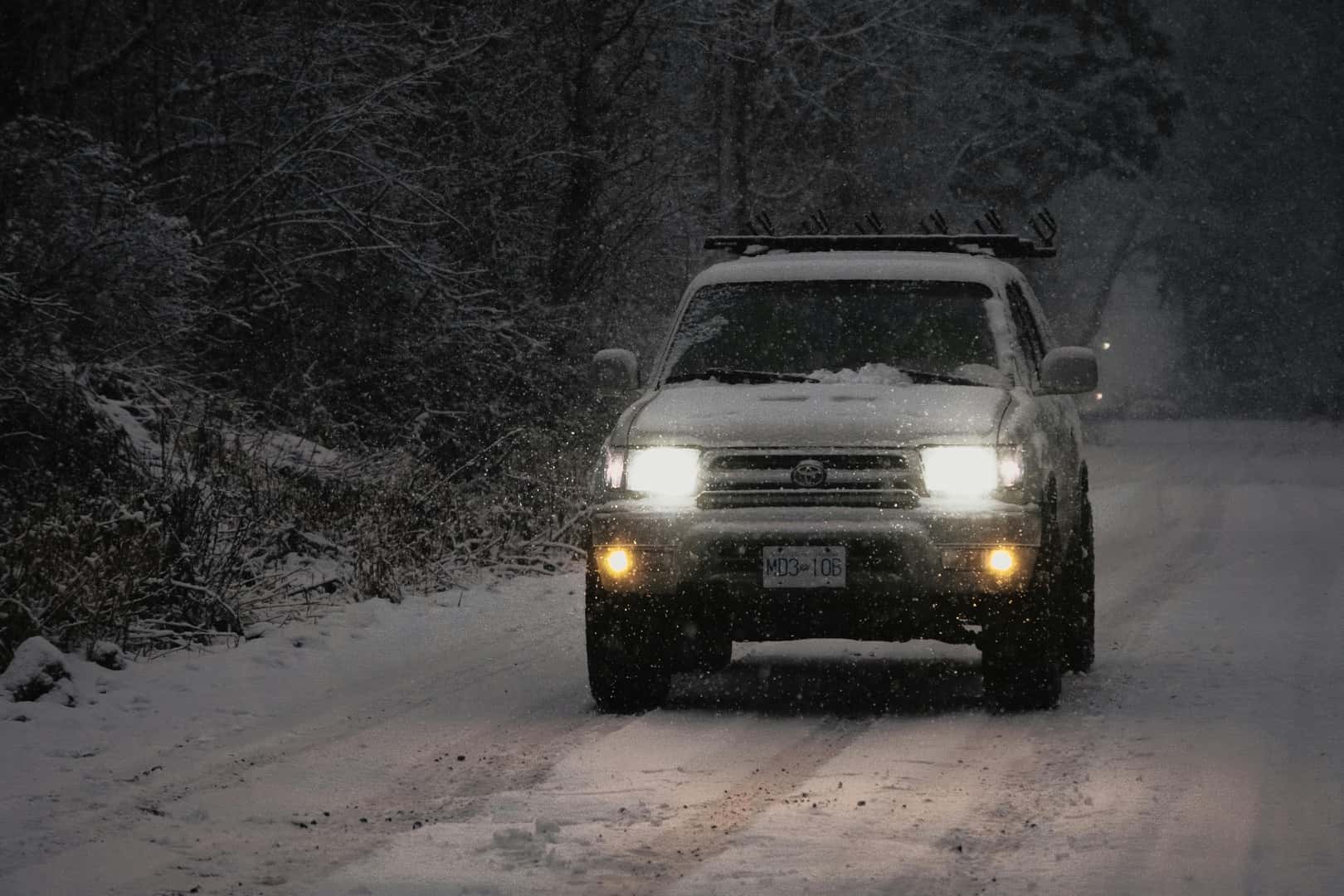
Winter in Northeast Ohio isn’t something you take lightly. From December through March, temperatures regularly plunge below freezing, lake-effect snow can dump several inches overnight, and ice storms make driving treacherous on roads from Cleveland Heights to University Circle and throughout Cuyahoga County. Your Toyota’s legendary reliability means little if your battery is too weak to start on a 10°F morning or your tires can’t grip snow-covered pavement on Mayfield Road.
While Toyota builds vehicles known for durability and dependability, even the best-engineered car needs proper preparation to handle Northeast Ohio’s demanding winter conditions. Cold weather stresses every system in your vehicle, from the battery that must crank a cold engine to the tires that must grip icy surfaces. Lake-effect snow, road salt, and dramatic temperature swings create challenges that require specific maintenance to ensure your Toyota remains reliable when conditions are harshest.
The challenge is knowing which maintenance items are critical for winter and when to address them. Many drivers wait until the first major snowfall to think about winter preparation, but by then you’re reactive rather than proactive. That morning you discover your battery is dead or your wiper blades can’t clear ice isn’t the time to address these issues.
Whether you drive a Camry, RAV4, Highlander, Corolla, or any other Toyota model, proper winter preparation ensures your vehicle delivers the reliability you expect throughout Northeast Ohio’s most challenging season.
Why Northeast Ohio Winter Is Uniquely Challenging
Understanding what makes this region’s winter so demanding helps you appreciate why proper preparation matters.
Lake-Effect Snow ❄️
Cleveland Heights’ proximity to Lake Erie means lake-effect snow is a regular occurrence. When cold air masses move across the relatively warm lake water, they pick up moisture that falls as heavy snow once the air reaches land. These events can produce several inches of snow in just hours, often catching drivers unprepared.
Unlike predictable snowstorms, lake-effect events can be highly localized and difficult to forecast precisely. You might leave home in clear conditions and encounter whiteout snow just miles away. This unpredictability demands that your Toyota be ready for snow at any moment during winter.
Temperature Extremes
Northeast Ohio winters feature genuine cold. While average lows hover around 20°F, frequent cold snaps push temperatures into single digits or below zero. These extremes affect battery capacity, oil viscosity, tire pressure, and numerous other vehicle systems.
The temperature also swings dramatically. A week of subfreezing weather might be followed by a brief thaw, then another freeze. These cycles create ice, affect road conditions, and stress vehicle components that must adapt to constant change.
Road Salt and Chemicals 🧂
Ohio uses tremendous amounts of road salt and chemical treatments during winter. While essential for safety, these substances accelerate corrosion on vehicle underbodies, brake components, suspension parts, and exhaust systems. The combination of salt, moisture, and temperature cycling creates ideal conditions for rust.
Long-term vehicle reliability in this region depends partly on protecting against salt-related corrosion damage.
Reduced Daylight
Winter means darkness during both morning and evening commutes. Your lights, wipers, and defrosters work harder, placing additional electrical load on the battery. Visibility becomes critical as you navigate snow, ice, and the glare from salt-covered roads.
Six Essential Winter Maintenance Services
Preparing your Toyota for Northeast Ohio winter involves attention to systems most affected by cold weather and challenging conditions.
1. Battery Testing and Replacement
Your battery is the single most critical component for winter reliability. If it can’t crank the engine on a cold morning, nothing else matters.
Why Batteries Fail in Cold 🔋
At 32°F, a battery loses about 35% of its cranking power compared to performance at 80°F. At 0°F, losses exceed 60%. Meanwhile, cold engine oil creates more resistance, meaning your engine requires more power to turn over precisely when the battery has less power available.
A battery that works fine in September might fail completely in January. This typically happens at the worst time, like 7 AM on a workday when it’s 15°F and you’re already running late.
What to Do
Have your battery professionally tested in October or early November. Testing measures cold cranking amps (CCA), which indicates performance in cold conditions. If the battery is more than 4 years old or testing shows reduced capacity, replacement before winter is wise preventive maintenance.
Clean battery terminals and cable connections to remove corrosion that creates electrical resistance. Apply dielectric grease after cleaning to prevent future corrosion and ensure optimal electrical flow.
2. Coolant System Protection
Yes, the cooling system matters in winter. Proper antifreeze protection prevents catastrophic engine damage from freezing and ensures efficient cabin heating.
Freeze Protection
Your Toyota’s coolant must remain liquid even at the coldest temperatures Northeast Ohio experiences. Most modern coolants protect to around -34°F when properly mixed, adequate for typical conditions but potentially marginal during extreme cold snaps.
Technicians test coolant concentration using a refractometer that measures freeze point. If concentration is low due to age or dilution, the coolant might freeze during extreme cold, potentially cracking the engine block, cylinder head, or radiator. This damage costs thousands to repair, far exceeding coolant service cost.
Heating Performance
Weak heater output affects more than comfort. It compromises windshield defrosting, creating dangerous visibility issues. Low coolant level, air in the system, or a failing thermostat all reduce heating effectiveness and require attention before winter.
3. Tire Evaluation and Winter Tire Consideration
Tires are your only connection to the road. In winter conditions, proper tires make the difference between confidence and anxiety.
All-Season vs. Winter Tires 🛞
All-season tires are compromises designed to work reasonably well year-round. Winter tires use rubber compounds that remain flexible in cold temperatures and tread patterns specifically designed for snow and ice traction.
The performance difference isn’t subtle. Tests consistently show winter tires reduce stopping distances by 20-40% on snow and ice compared to all-season tires. In emergency situations, that difference could prevent an accident.
If you regularly drive in snow, winter tires provide significant safety advantages. Many Toyota owners invest in a second set of wheels with winter tires mounted, making seasonal changeover simple.
All-Season Tire Maintenance
If staying with all-season tires, ensure adequate tread depth (4/32 inch minimum for winter, 6/32 inch preferred). Check tire pressure weekly, as cold weather causes pressure to drop about 1 PSI per 10°F temperature decrease. Properly inflated tires provide better traction and handling.
4. Wiper Blades and Washer System
Clear visibility is non-negotiable during winter driving. Snow, ice, slush, and salt spray constantly challenge your windshield.
Winter Wiper Blades
Standard wiper blades have exposed metal frames that can accumulate ice, preventing the blade from conforming properly to the windshield. Winter wiper blades use one-piece rubber designs without exposed framework, preventing ice buildup and maintaining effective clearing.
Replace wipers before winter if current blades are more than a year old or show signs of wear like streaking or skipping.
Washer Fluid for Freezing Conditions 💧
Regular washer fluid freezes around 32°F. When frozen in the reservoir, lines, or spray nozzles, you lose the ability to clear your windshield. Winter washer fluid remains liquid to -20°F or colder, ensuring availability when needed most.
Fill the reservoir with winter-grade fluid before cold weather. If regular fluid is currently in the system, use it up and refill with winter formula, or have the system drained and refilled during a service visit.
5. Oil and Filter Service
While oil changes aren’t unique to winter, choosing the correct oil viscosity for cold weather ensures proper engine protection and easier starting.
Cold-Weather Viscosity
Modern Toyotas typically use 0W-20 or 5W-30 oil. The first number indicates how the oil flows in cold temperatures. Lower numbers flow better when cold, providing faster circulation during cold starts.
Using oil with correct viscosity ensures your engine receives proper lubrication immediately at startup, even on the coldest mornings. This protects engine components during the most vulnerable period of operation.
Consider Shorter Intervals
Short trips where the engine never fully warms up allow moisture and fuel contamination to accumulate in oil. If winter driving involves mostly short trips, consider slightly shorter oil change intervals to maintain optimal protection.
6. Brake System Inspection
Winter driving is demanding on brakes. Snow, ice, and slippery conditions mean you use brakes more carefully but potentially more frequently than in dry conditions.
Salt and Brake Components
Road salt accelerates corrosion on brake rotors, calipers, and hardware. While some surface rust on rotors is normal and wears off with initial braking, excessive corrosion can cause problems. Salt can also cause caliper slides to seize, leading to uneven braking or pulling.
Have brakes inspected before winter to ensure adequate pad thickness, verify rotors aren’t excessively worn or warped, and check that calipers operate freely. Fresh brake fluid (changed every 3 years) maintains optimal performance in all conditions.
Five Warning Signs You’re Not Winter-Ready
Certain symptoms indicate your Toyota needs attention before winter conditions worsen.
- Slow Engine Cranking
If your engine cranks noticeably slower than usual, particularly on cold mornings, your battery is struggling. Have it tested immediately rather than waiting for complete failure. - Weak Heater Output
Poor heat from cabin vents could indicate low coolant, air in the system, a failing thermostat, or a clogged heater core. Beyond comfort, weak heat affects windshield defrosting and safety. - Tire Pressure Warning Light ⚠️
If the TPMS light illuminates as temperatures drop, tire pressure has decreased below the minimum threshold. Check and adjust all tire pressures immediately. - Wiper Streaking or Chattering
Degraded wiper performance won’t adequately clear snow and slush. Replace blades before winter weather makes poor visibility dangerous. - Dashboard Warning Lights
Any warning lights require diagnosis before winter. Problems that seem minor in moderate weather can become serious when temperatures plunge and conditions deteriorate.
Cleveland Heights Winter Driving Considerations
Local conditions create specific challenges that affect how you should prepare your Toyota.
University Circle and Campus Areas
Streets around Case Western Reserve University and University Circle experience heavy pedestrian traffic even in winter. Reliable brakes and good visibility are critical for safety in these busy areas where pedestrians might appear unexpectedly.
Mayfield Road and Main Routes 🚗
Major routes like Mayfield Road, Cedar Road, and Lee Road receive treatment during storms but can still be slippery, particularly during the initial hours of snowfall. Proper tires and functional traction control ensure safe navigation of these crucial routes.
Residential Side Streets
Cleveland Heights includes many residential streets with hills and curves that receive delayed treatment during snow events. These streets challenge traction and braking, making proper tire condition and winter readiness essential.
Proximity to Downtown Cleveland
Many residents commute to downtown Cleveland on I-90 or surface streets. Highway driving in winter weather demands confidence in your vehicle’s reliability and capability.
Cost of Winter Preparation vs. Winter Emergencies
Understanding the economics makes the value of preparation clear.
Preparation Costs
Battery replacement: $150-250. Coolant service: $100-150. Winter tires (set of four with installation): $600-900. Winter wipers and washer fluid: $40-60. Oil change: $50-80. Brake inspection: typically included with other services. Total comprehensive winter preparation: $400-900 depending on needs.
Emergency Costs
Jump start or tow service: $75-150. Rental car while yours is repaired: $50-75 per day. Emergency battery replacement: often $50-100 more than scheduled service. Accident repair from winter-related loss of control: thousands, plus insurance increases.
Beyond Direct Costs 💰
Consider the stress and potential danger of breakdowns in cold weather. Being stranded at 6 AM when it’s 10°F isn’t just expensive, it’s miserable and potentially hazardous.
Local Expert Perspective
“Every year it’s the same,” says Patricia Reynolds, Toyota master technician at the Mayfield Road location. “Smart customers come in October and November for winter prep. Then the first big snow hits in December, and we’re overwhelmed with dead battery calls and stuck-in-snow situations. The people who prepared drive right through while others are stuck at home waiting for jump starts.”
She continues, “What surprises people is how fast batteries fail when it gets really cold. A battery that cranked fine at 40°F might be completely dead at 10°F. If testing shows any weakness in fall, replace it before winter. The peace of mind is worth every penny compared to the alternative of being stranded in the cold.”
Creating Your Winter Prep Checklist
Use this checklist to ensure your Toyota is ready for Northeast Ohio winter.
Essential Services (October-November):
- Battery test and possible replacement
- Coolant concentration test and service if needed
- Wiper blade replacement with winter blades
- Winter washer fluid installation
- Tire inspection and pressure check
- Consider winter tire installation
- Oil change with appropriate cold-weather viscosity
- Brake system inspection
Emergency Kit Items:
- Ice scraper and snow brush
- Small shovel
- Blanket and warm clothing
- Flashlight with fresh batteries
- Jumper cables or portable jump starter
- Non-perishable snacks and water
- First aid kit
- Kitty litter or sand for traction if stuck
Regular Winter Maintenance:
- Weekly tire pressure checks
- Monthly fluid level verification
- Prompt attention to warning lights
- Underbody wash every 2-3 weeks to remove salt
- Visual inspection for ice or snow accumulation around wheel wells
Keep Your Toyota Winter-Ready ❄️
Northeast Ohio winters demand respect and preparation. Your Toyota’s reputation for reliability is well-earned, but that reliability depends on systems functioning correctly under demanding conditions. A weak battery, inadequate tires, or frozen washer fluid can sideline even the most dependable vehicle.
Winter preparation isn’t about spending money unnecessarily, it’s about ensuring safety and reliability when conditions are most challenging. The modest investment in preparation provides peace of mind knowing your Toyota is ready for whatever winter brings, from light snow flurries to major lake-effect events.
Cleveland Heights’ winter weather, from lake-effect snow to subfreezing cold and relentless road salt, creates real challenges that affect daily driving for four months or more. Professional winter preparation ensures your Toyota meets those challenges confidently, keeping you and your family safe regardless of conditions.
Schedule Your Winter Service Today ✅
Don’t wait for the first major snowfall or bone-chilling cold to prepare your Toyota for winter. Schedule your winter preparation service now, while there’s time to address any issues discovered during inspection without the pressure of immediate need.
Experienced Toyota technicians can assess your vehicle’s winter readiness, perform necessary services, and provide recommendations specific to your driving patterns and Northeast Ohio conditions. Whether you need comprehensive preparation or just a few key services, professional attention ensures your Toyota is ready for winter’s demands.
Schedule your winter preparation appointment today at 2950 Mayfield Rd in Cleveland Heights, or call to discuss your vehicle’s specific needs with a service advisor who understands Northeast Ohio winters. Because winter reliability starts with proper preparation, and the best time to prepare is before you need it. Keep your Toyota running strong through snow, ice, and subfreezing temperatures with professional winter maintenance.
0 comment(s) so far on Winter-Ready Toyotas: Top Cold Weather Maintenance Tips for Northeast Ohio